
Common Reasons a Workers’ Compensation Claim May Be Denied
Incomplete documentation or late reporting can lead to a workers` compensation claim being denied.
Common Reasons a Workers’ Compensation Claim May Be Denied Read More »
Explore a comprehensive range of resources on anti-discrimination laws, including in-depth articles, legal glossary definitions, and insightful video interviews with experienced attorneys. Visitors will find information on various types of discrimination, legal protections, and the implications of these laws in both workplace and public settings. Stay informed about your rights and legal options with authoritative content designed to empower individuals facing discrimination.
Incomplete documentation or late reporting can lead to a workers` compensation claim being denied.
Common Reasons a Workers’ Compensation Claim May Be Denied Read More »

Navigating gender-based harassment at work requires understanding legal protections to ensure a safe and equitable environment.
Gender Based Harassment and Workplace Legal Protections Read More »

Society needs whistleblowers to expose and modify criminal actions. Some individuals believe that to be a whistleblower, one must be an insider, but it does not work that way. Whether you work within that organization, there are numerous ways to blow the whistle. “The various statutes that prohibit retaliation all change depending upon under which
Do You Have to be an Employee to Qualify as a Whistleblower? Read More »
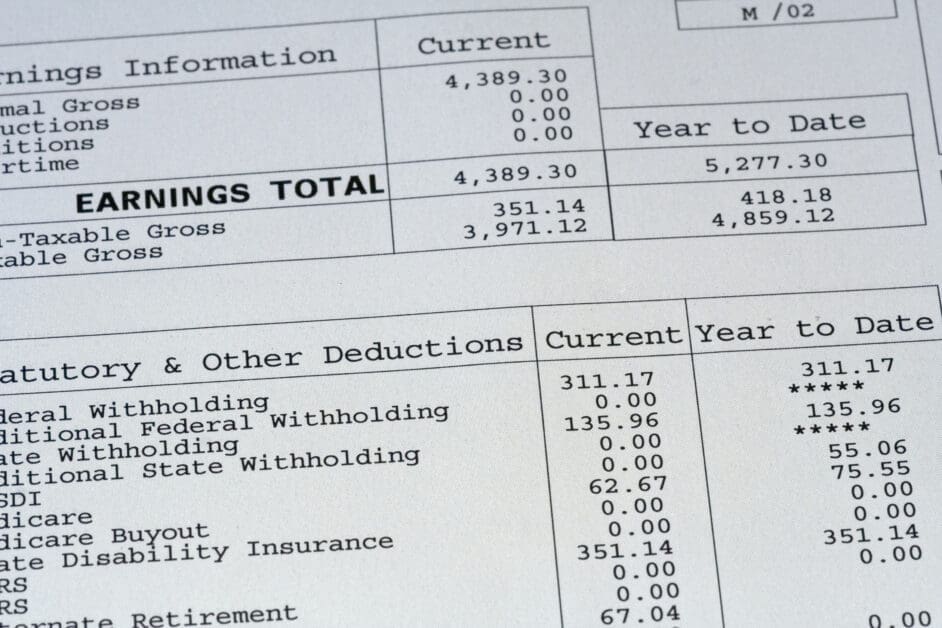
Pay transparency has become a major focus in employment law as lawmakers, enforcement agencies, and worker advocates push for fair wages and accountability in the workplace. One of the simplest tools supporting this effort is something every employee should receive: a pay stub. These documents do more than show weekly or biweekly earnings. They play
Employee Right to Pay Transparency: How Pay Stubs Support Fair Wage Laws Read More »

Over the years, harassment has become a pervasive issue in workplaces, schools, and the online space. It is crucial to have a clear understanding of what constitutes harassment, the legal implications involved, and the steps that can be taken to address and prevent it. By understanding the legal aspects of harassment, individuals can better protect
Are New Laws Changing How Harassment Is Handled Now? Read More »

In the realm of employment law, Bona Fide Occupational Qualifications (BFOQ) stand as a critical concept, delineating the delicate balance between fair hiring practices and the operational needs of businesses. This legal doctrine permits employers to make hiring decisions based on age, gender, religion, or national origin when these attributes are essential for the job
Are Religious or Privacy Needs Ever Valid BFOQs? Read More »

Becoming a lawyer takes more than just earning a law degree. While graduating from law school is a major milestone, it is only part of the journey. To legally practice law in the United States, an individual must also be admitted to the bar. This raises a common question: what does “bar” stand for? While
The Importance of Being Admitted to the Bar for Lawyers Read More »

In today’s dynamic workplace environment, understanding employment law has never been more crucial. This legal field encompasses a vast array of regulations and standards designed to protect both employees and employers. From anti-discrimination policies and workplace safety to wage laws and benefits, employment law serves as the backbone of a fair and just work environment.
Why Is Compliance So Important in Employment Law? Read More »

You may think that hate speech is just offensive language, but it goes much deeper than that. Hate speech has the power to incite violence, create divisions within communities, and even threaten democracy. Understanding the legal ramifications and societal implications of hate speech is crucial in order to combat its harmful effects. The Legal Framework
Navigating the Complexities of Hate Speech – A Legal and Societal Perspective Read More »

PART 1 The Equal Employment Opportunity Act of 1972, an amendment to Title VII of the Civil Rights Act of 1964, marked a significant milestone in the pursuit of workplace equality in the United States. Its enactment symbolized a societal commitment to eradicating employment discrimination and fostering a more inclusive and diverse workforce. This legislation’s
Why Is the Equal Employment Act Important for Workers? Read More »