Legal Representation

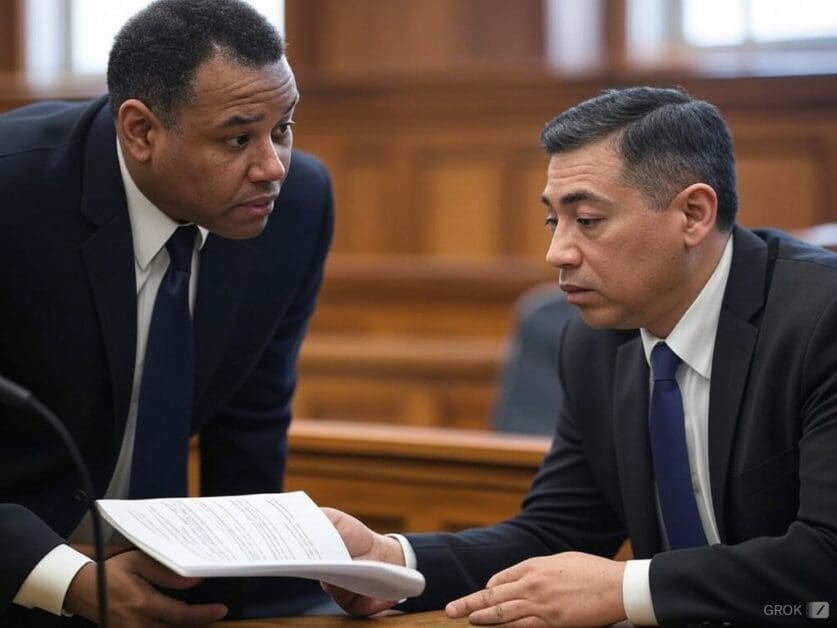
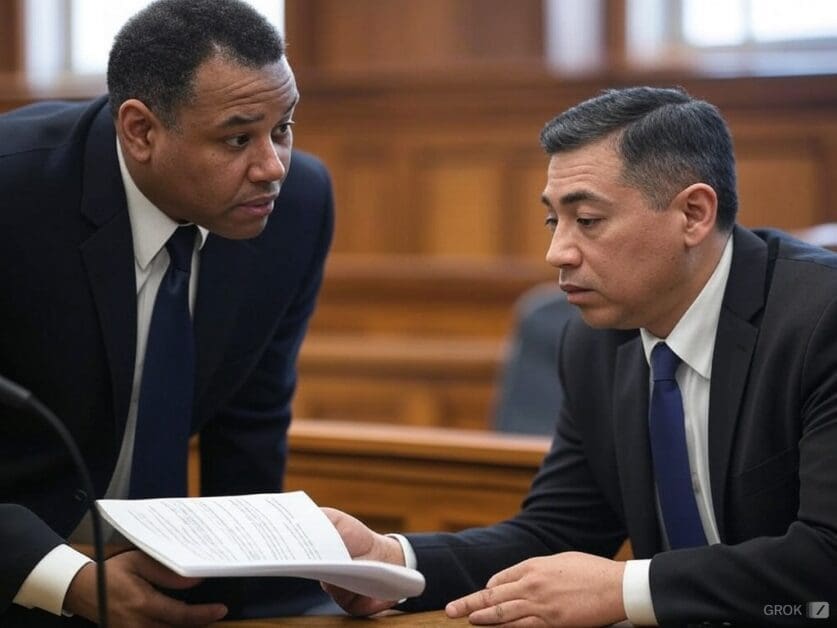
Explore a wealth of resources on legal representation, where visitors can find informative articles, expert video interviews with attorneys, and detailed legal glossary definitions. This category covers essential topics such as the roles of attorneys, the importance of legal counsel in various cases, and tips for selecting the right representation for your needs. Whether you're seeking information on civil rights, criminal defense, or family law, this section provides valuable insights to empower your legal journey.

697 posts
How can we improve access to justice for low-income individuals?

How can we improve access to justice for low-income individuals?

Access to justice is a fundamental principle of the rule of law and a cornerstone of democratic societies. However, for millions of low-income individuals across the United States, this principle remains an unfulfilled promise. The justice gap – the disparity between the civil legal needs of low-income Americans and the resources available to meet those […]
Read More

Bail Jumping: Consequences of Missing Court Dates

Bail Jumping: Consequences of Missing Court Dates

The act of bail jumping represents a serious violation of the legal process and carries significant consequences for defendants who fail to appear in court as required. When an individual is released on bail, they enter into a solemn agreement with the court to return for all scheduled appearances. The failure to honor this commitment […]
Read More
Malicious Prosecution: Legal Recourse for Wrongful Charges

Malicious Prosecution: Legal Recourse for Wrongful Charges

The concept of malicious prosecution stands as a critical safeguard within the American legal system, providing recourse for individuals who have been subjected to baseless legal proceedings initiated with improper motives. This legal doctrine serves as a counterbalance to the power of prosecutors and private parties to bring charges, ensuring that the judicial process is […]
Read More
Retroactive Laws: When New Rules Apply to Past Crimes

Retroactive Laws: When New Rules Apply to Past Crimes

The application of retroactive laws in criminal cases presents a complex and often contentious issue within the American legal system. The concept of retroactivity in law refers to the application of new legal rules or standards to past actions or events. In the context of criminal law, this raises significant questions about fairness, due process, […]
Read More
Brady Violations: When Prosecutors Withhold Evidence

Brady Violations: When Prosecutors Withhold Evidence

The integrity of our criminal justice system rests on the fundamental principle that the accused has a right to a fair trial. Central to this principle is the requirement that prosecutors disclose all material evidence favorable to the defendant. This obligation, known as the Brady rule, stems from the landmark Supreme Court case Brady v. […]
Read More
Criminal Rehabilitation Programs: Alternatives to Incarceration

Criminal Rehabilitation Programs: Alternatives to Incarceration

The criminal justice system in the United States has long grappled with the challenge of reducing recidivism while promoting public safety and justice. In recent years, there has been a growing recognition that traditional incarceration alone often fails to address the root causes of criminal behavior or effectively prepare offenders for successful reintegration into society. […]
Read More
Stand Your Ground Laws: Self-Defense and Legal Immunity

Stand Your Ground Laws: Self-Defense and Legal Immunity

Stand your ground laws have become a contentious issue in American jurisprudence, reshaping the landscape of self-defense and criminal liability. These statutes, which eliminate the duty to retreat before using force in self-defense, have sparked intense debate about their impact on public safety, racial disparities in the criminal justice system, and the proper balance between […]
Read More
Immunity Deals: Trading Information for Legal Protection

Immunity Deals: Trading Information for Legal Protection

Immunity deals play a crucial role in the American criminal justice system, serving as a powerful tool for prosecutors to obtain valuable information and testimony in exchange for legal protection. These agreements, which shield individuals from prosecution in return for their cooperation, have become an integral part of complex criminal investigations and prosecutions. The practice […]
Read More
Three Strikes Laws: Harsh Penalties for Repeat Offenders

Three Strikes Laws: Harsh Penalties for Repeat Offenders

Three strikes laws have been a contentious feature of the American criminal justice system for nearly three decades. These statutes, which impose severe mandatory sentences on repeat offenders, were enacted with the promise of enhancing public safety by incapacitating habitual offenders. However, their implementation has raised significant questions about effectiveness, fairness, and unintended consequences within […]
Read More
How Is AI Impacting Mergers and Acquisitions in the Legal Sector?

How Is AI Impacting Mergers and Acquisitions in the Legal Sector?

The integration of artificial intelligence (AI) into the realm of mergers and acquisitions (M&A) is fundamentally transforming the landscape of corporate transactions within the legal sector. As AI technologies continue to advance, their application in M&A processes is becoming increasingly sophisticated, offering unprecedented levels of efficiency, accuracy, and strategic insight. This technological revolution is reshaping […]
Read More
Warrantless Searches: When Police Can Act Without Permission

Warrantless Searches: When Police Can Act Without Permission

The Fourth Amendment to the United States Constitution stands as a bulwark against unreasonable searches and seizures by government authorities. This fundamental protection requires law enforcement to obtain a warrant, supported by probable cause, before conducting most searches. However, the Supreme Court has recognized several exceptions to this warrant requirement, allowing police to act without […]
Read More
Involuntary Confessions: Challenging Coerced Statements

Involuntary Confessions: Challenging Coerced Statements

The constitutional protections against involuntary confessions stand as a critical safeguard in our criminal justice system. When law enforcement obtains a confession through coercion or improper tactics, it undermines the fundamental fairness of the legal process and risks convicting innocent individuals. This article examines the legal landscape surrounding involuntary confessions, exploring the constitutional principles, key […]
Read More
Scroll to Top