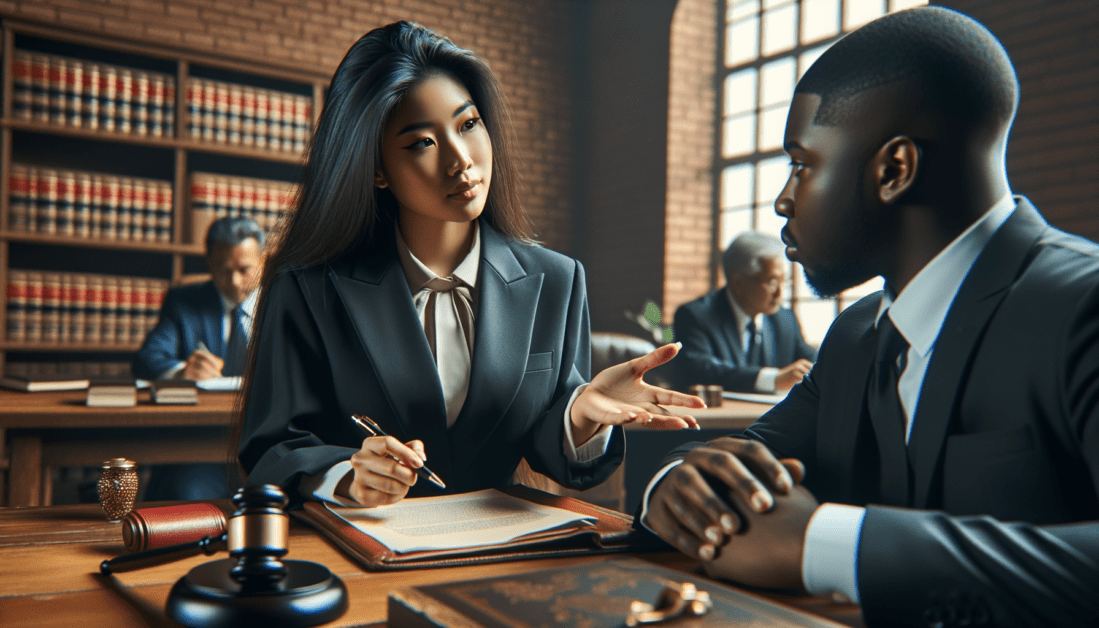
Civil Law

<a href="https://attorneys.media"><img class="aligncenter size-full wp-image-32258" src="http://attorneys.media/wp-content/uploads/2023/12/civil-law.jpg" alt="Navigating the Intricacies of Civil Law: Professional Legal Settings Explored" width="1024" height="1024" /></a> <strong>Civil Law: Navigating the Intricacies of Non-Criminal Legal Systems</strong> Civil law, a pivotal aspect of the legal system, guides non-criminal legal disputes, shaping the foundation of societal interactions. This comprehensive overview delves into its significance, offering practical advice for navigating civil cases. <strong>Understanding Civil Law's Role in Society</strong> Civil law, distinct from criminal law, addresses disputes between individuals or organizations. Its domain includes contract law, property issues, and family law, emphasizing the resolution of conflicts and the restoration of rights. In civil law, the plaintiff seeks recompense or relief from a defendant, unlike criminal law where the state prosecutes the accused for societal harm. <strong>Key Elements in Civil Law Cases</strong> Civil cases typically involve the assertion of rights or seeking remedies. Essential components include: <ul> <li><strong>Contractual Disputes:</strong> Arising from disagreements over the terms or execution of a contract.</li> <li><strong>Property Matters:</strong> Encompassing issues like ownership, rights, and real estate transactions.</li> <li><strong>Family Law:</strong> Covering marriage, divorce, child custody, and related personal matters.</li> </ul> <strong>Effective Strategies for Civil Law Litigation</strong> Navigating civil law requires strategic planning and legal knowledge. Key strategies include: <ul> <li><strong>Understanding Legal Rights:</strong> Comprehending one's legal position is crucial for effective advocacy.</li> <li><strong>Evidence Gathering:</strong> Collecting relevant documentation and witness statements strengthens the case.</li> <li><strong>Legal Representation:</strong> Engaging with knowledgeable attorneys offers guidance through complex legal processes.</li> </ul> <strong>The Role of Mediation in Civil Law</strong> Mediation, an alternative dispute resolution method, plays a significant role in civil law. It involves a neutral third party aiding disputing parties in reaching a mutually satisfactory agreement, often leading to quicker, cost-effective solutions. <strong>Impact of Civil Law on Society</strong> Civil law's influence extends beyond courtrooms. It shapes societal norms, influencing how individuals and organizations interact and resolve disputes. Its fair and structured approach ensures that personal and property rights are respected and protected. <strong>Staying Informed and Prepared in Civil Law Matters</strong> Remaining updated on civil law advancements and understanding legal rights are key to navigating this legal arena successfully. Individuals facing civil law issues should consider consulting legal professionals to ensure informed decision-making and effective resolution of disputes. <strong>Conclusion</strong> Civil law, a cornerstone of the legal system, is integral in resolving non-criminal disputes. By understanding its principles and seeking professional advice, individuals can navigate civil law effectively, ensuring their rights and interests are protected.

222 posts

What is a slip and fall case?

What is a slip and fall case?

A slip and fall case is a premises liability claim where an injured person must typically prove 4 elements: duty, breach, causation, and damages. It arises when a property owner or occupier fails to fix or warn about a dangerous condition that leads to a fall. This article explains common causes, legal duties, evidence, and […]
Read More
What is medical malpractice?

What is medical malpractice?

Medical malpractice occurs when a healthcare provider’s care falls below the accepted standard and causes patient harm, typically proven by 4 elements: duty, breach, causation, and damages. It can happen in any setting, from hospitals and ERs to clinics and private practices. This article explains common malpractice types and what generally qualifies as a claim. […]
Read More
What is wrongful death?

What is wrongful death?

Wrongful death is a civil claim for a preventable death caused by another person’s negligence or intentional misconduct. It commonly involves car crashes, unsafe workplaces, or medical errors where reasonable care could have avoided the death. This article explains what qualifies as wrongful death and the basics of pursuing compensation. Understanding Wrongful Death When someone […]
Read More
What is legal malpractice?

What is legal malpractice?

Legal malpractice is when an attorney breaches the professional duty of care and a client suffers measurable harm, often financial loss. To win a claim, clients generally must show duty, breach, causation, and damages. This article explains attorney negligence, common examples, and the basics of legal malpractice claims. Legal malpractice occurs when an attorney fails […]
Read More
What is wrongful termination?

What is wrongful termination?

Wrongful termination is when an employer fires you for an illegal reason, such as discrimination or retaliation, despite at-will employment rules. Federal and state laws and, sometimes, contracts or company policies can limit when a firing is lawful. This article explains the definition, common illegal reasons, and steps to protect your rights. Wrongful termination happens […]
Read More
What is strict liability?

What is strict liability?

Strict liability makes a person or company legally responsible for harm even without proving negligence or intent. It commonly applies to defective products, certain animal injuries, and abnormally dangerous activities like explosives. This article explains what strict liability is, when it applies, and key defenses and examples. Understanding Strict Liability in Simple Terms Imagine you […]
Read More
What is product liability?

What is product liability?

Product liability is a legal doctrine that can hold 3 parties—manufacturers, distributors, and sellers—responsible for injuries caused by defective products. It applies when a product is unreasonably dangerous due to a design defect, manufacturing defect, or inadequate warnings. This article explains the basics, common claim types, and what consumers can do after an injury. Product […]
Read More
What is premises liability?

What is premises liability?

Premises liability is the legal rule that can make a property owner liable when someone is injured due to an unsafe condition on the property. Owners generally must keep premises reasonably safe and warn of known hazards for lawful visitors. This article explains owner duties, common hazards, and when you may have a claim. Premises […]
Read More
What is gross negligence?

What is gross negligence?

Gross negligence is an extreme form of negligence involving reckless disregard for others’ safety. It goes beyond simple carelessness and often involves knowingly ignoring a serious risk. This article explains how gross negligence differs from ordinary negligence, with practical examples and legal impact. Understanding Gross Negligence Gross negligence happens when someone acts with extreme carelessness […]
Read More
What is a judgment lien?

What is a judgment lien?

A judgment lien is a court-authorized claim a creditor can record against your property after winning a money judgment and you don’t pay. It can attach to real estate and sometimes other assets, affecting your ability to sell or refinance until the debt is satisfied. This article explains how judgment liens work, how they’re recorded, […]
Read More
Scroll to Top