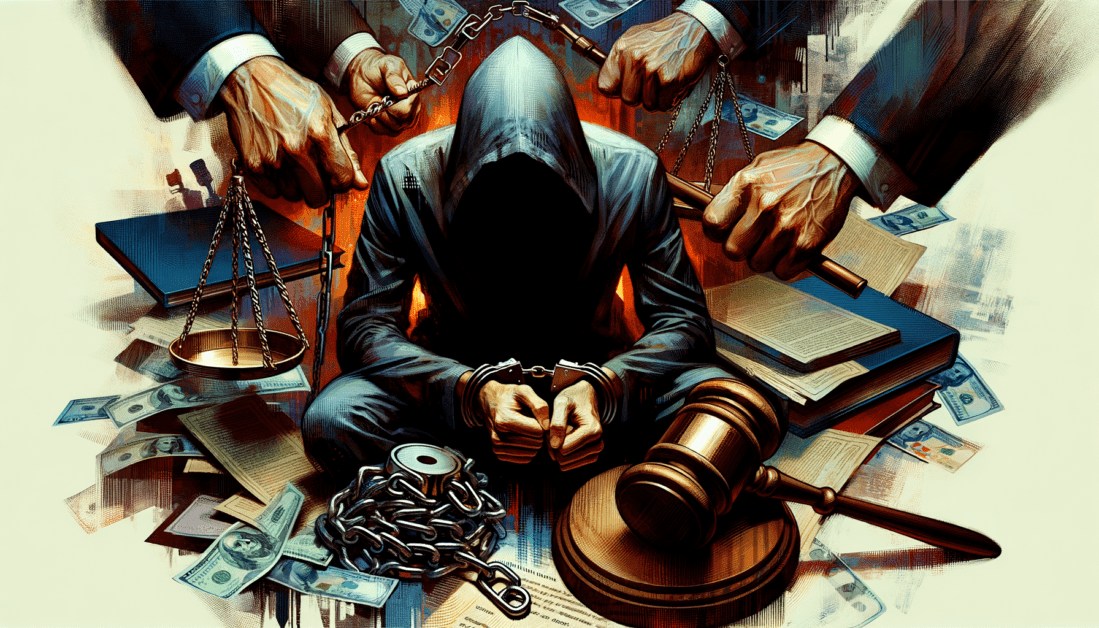
Criminal Defense

<a href="https://attorneys.media"><img class="aligncenter size-full wp-image-32435" src="http://attorneys.media/wp-content/uploads/2023/12/Criminal-Defense.jpg" alt="Inside the Courtroom: Dynamic Criminal Defense Strategies at Work" width="1024" height="1024" /></a> <h4><strong>Criminal Defense: Navigating the Legal System for a Fair Trial</strong></h4> The realm of <strong>criminal defense</strong> is a critical aspect of the legal system, ensuring that the rights of the accused are protected throughout the legal process. This area of law is complex and multifaceted, requiring a deep understanding of legal rights, procedural norms, and strategic defense tactics. At the forefront of criminal defense is the presumption of innocence. This principle ensures that every individual accused of a crime is considered innocent until proven guilty. Criminal defense attorneys play a pivotal role in upholding this principle by challenging evidence, questioning procedural errors, and advocating for their clients' rights. One of the key elements in criminal defense is understanding the charges and the potential penalties. This knowledge is crucial in formulating a robust defense strategy. Defense lawyers often negotiate with prosecutors to reduce charges or penalties, a process known as plea bargaining. Effective criminal defense also involves meticulous examination of the evidence. Attorneys must scrutinize the evidence presented by the prosecution, looking for inconsistencies or procedural errors. This critical analysis can lead to evidence being dismissed, significantly impacting the case's outcome. The role of the defense attorney extends beyond the courtroom. They provide counsel and support to their clients, helping them navigate the emotional and psychological challenges of facing criminal charges. This support is invaluable in maintaining the mental well-being of defendants during the trial process. In conclusion, criminal defense is a cornerstone of the legal system, ensuring fairness and justice in criminal proceedings. Defense attorneys play an essential role in protecting the rights of the accused, advocating on their behalf, and striving for the best possible outcome. Furthermore, criminal defense involves a comprehensive understanding of legal precedents and case law. Attorneys must be well-versed in past rulings and legal interpretations that can influence the current case. Jury selection is another crucial component of criminal defense. The defense team works to select jurors who are unbiased and open-minded, aiming for a fair and impartial jury. Defense attorneys also prepare for trial by developing compelling arguments and preparing witnesses. The presentation of a well-structured defense can sway the jury's opinion and contribute to a favorable verdict. In addition, understanding the nuances of different types of criminal cases, from misdemeanors to felonies, is essential for effective defense. Each type of crime requires a specific approach and strategy. Criminal defense is a dynamic and challenging field, requiring dedication, expertise, and a deep commitment to justice. It is an indispensable part of the legal system, protecting the fundamental rights of individuals and upholding the principles of a fair trial.

466 posts
Understanding Romeo Juliet Laws – Attorney Insights

Understanding Romeo Juliet Laws – Attorney Insights

Romeo and Juliet laws generally protect teens in consensual relationships from severe statutory rape charges when the age gap is small—often 2–4 years, depending on the state. Because the rules vary widely by jurisdiction and can still trigger registration or other penalties, getting the details right matters. This article explains how these close-in-age exceptions work, […]
Read More
Romeo Juliet Laws Laws – What You Need to Know

Romeo Juliet Laws Laws – What You Need to Know

Romeo and Juliet laws are close-in-age exceptions that can reduce or eliminate statutory rape charges when both partners are minors or near in age, though the allowed age gap and minimum ages vary by state. These statutes are designed to distinguish consensual teen relationships from adult–minor exploitation while still enforcing age-of-consent rules. This article explains […]
Read More
Common Questions About Romeo Juliet Laws Answered

Common Questions About Romeo Juliet Laws Answered

Romeo and Juliet laws are close-in-age exceptions that can prevent statutory rape charges when both teens are near the same age, though the exact age gaps and minimum ages vary by state. These rules often still exclude cases involving significant age differences, authority figures, or coercion. This article answers common questions about how these laws […]
Read More
Why Attorney-Client Privilege Is Important in Legal Matters

Why Attorney-Client Privilege Is Important in Legal Matters

Attorney-client privilege protects confidential communications between a lawyer and client made for legal advice, and it generally cannot be forced into evidence. This encourages clients to speak candidly so attorneys can give accurate guidance and build a strong defense or claim. This article explains how the privilege works, common exceptions, and practical steps to preserve […]
Read More
Fighting Blotter Meaning – Your Legal Options

Fighting Blotter Meaning – Your Legal Options

Fighting a blotter charge usually means you’re accused of assaulting, obstructing, or resisting a police officer, and penalties can include jail time and fines depending on the jurisdiction and your record. The term “blotter” refers to the police incident log, so “fighting blotter” often describes a confrontation tied to an entry in that log rather […]
Read More
When Do You Need a Blotter Meaning Lawyer?

When Do You Need a Blotter Meaning Lawyer?

You may need a blotter meaning lawyer as soon as a “blotter” entry or police report is linked to you—especially if it affects a job, licensing, immigration status, or a pending case. A blotter is an informal record of police activity that can be misread, wrongly attributed, or used against you even without charges. This […]
Read More
Blotter Meaning Attorney Fees – Cost Breakdown

Blotter Meaning Attorney Fees – Cost Breakdown

A “blotter fee” (often meaning a “block billing” or “blended rate” entry) is an attorney-fee charge that groups multiple tasks into a single time entry, which can affect how fees are reviewed and approved. Courts, clients, and insurers may challenge these entries if they obscure what work was done or make billing seem excessive. This […]
Read More
Common Questions About Blotter Meaning Answered

Common Questions About Blotter Meaning Answered

A police blotter is a daily or periodic log of arrests, incidents, and calls for service recorded by a law enforcement agency. It typically lists basic details—such as dates, locations, and charges—but it is not the same as a full police report or a criminal conviction. This article answers common questions about blotter meaning, what […]
Read More
Blotter Meaning Laws – What You Need to Know

Blotter Meaning Laws – What You Need to Know

A police blotter is a public record or summary log of arrests, incidents, and calls for service compiled by law enforcement. Its exact contents, access, and disclosure rules vary by state open-records laws, privacy exemptions, and ongoing-investigation limits. This article explains what a blotter is, how “blotter laws” affect what information can be released, who […]
Read More
How to Find the Best Blotter Meaning Attorney

How to Find the Best Blotter Meaning Attorney

A “blotter” is a police arrest log, and a blotter-related case can affect background checks, licensing, and employment even without a conviction. The best blotter meaning attorney is a criminal-defense lawyer who regularly handles arrest records, expungements, and police-report disputes in your jurisdiction. This article explains what “blotter” means, when it matters legally, and how […]
Read More
Understanding Blotter Meaning – Attorney Insights

Understanding Blotter Meaning – Attorney Insights

A police blotter is a daily law-enforcement log summarizing reported incidents, arrests, and calls for service, typically listing the date, location, and basic allegation. It’s an initial record of police activity—not a finding of guilt—and it can be public, restricted, or redacted depending on state law and the circumstances. This article explains blotter meaning, what […]
Read More
Blotter Meaning – Complete Legal Guide for 2026

Blotter Meaning – Complete Legal Guide for 2026

A “blotter” is an official, chronological log used by police departments and courts to record daily incidents, arrests, and notable events, often released as a public report. It helps document what happened, when, where, and which agency handled it, creating a starting point for follow-up investigations or records requests. This guide explains the legal meaning […]
Read More
1 3 4 5 6 7 39
Scroll to Top