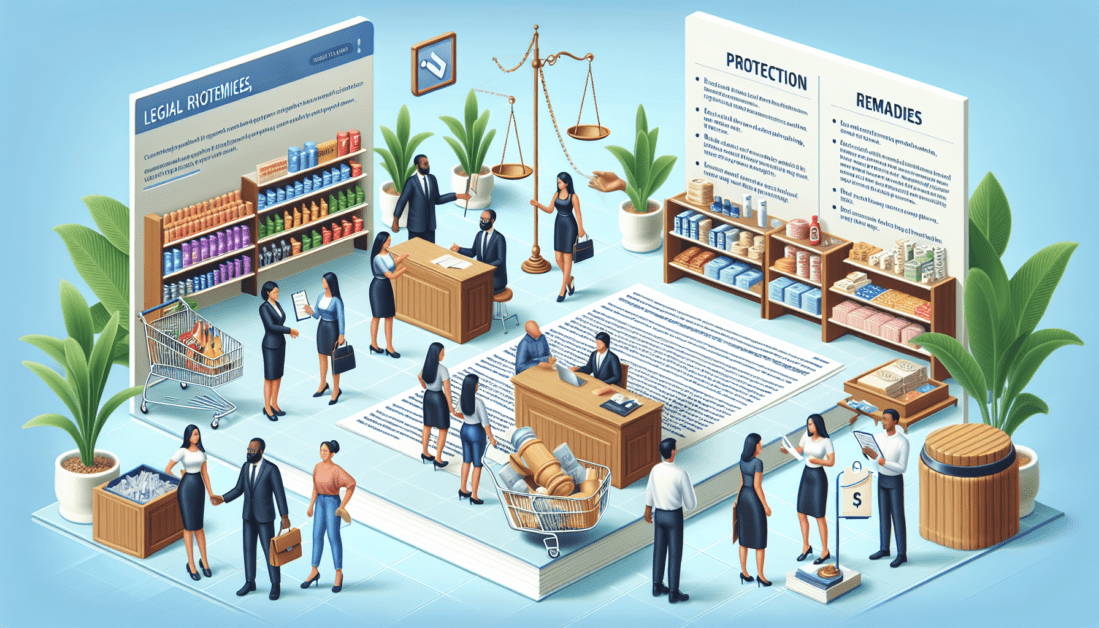
Consumer Protection Laws: Know Your Rights and Remedies
Understanding Consumer Protection Laws: Your Rights and Legal Framework
Consumer protection laws exist to safeguard you from unfair business practices and ensure fair treatment in the marketplace. These consumer protection regulations create a legal framework that holds businesses accountable and gives you specific rights when purchasing goods or services.
At its core, consumer protection law covers several key areas that affect your daily life. You have the right to accurate information about products and services, protection from false advertising, and fair treatment in all business transactions. These laws apply whether you’re shopping in a physical store or dealing with consumer protection e-commerce transactions online.
Your fundamental rights as a consumer include:
- The right to safety from dangerous products
- The right to be informed through clear and honest labeling
- The right to choose from competitive options
- The right to be heard when filing complaints
- The right to fair resolution of disputes
When it comes to consumer protection debt collection, you’re protected from harassment, threats, and unfair collection practices. Debt collectors must follow strict rules about when and how they can contact you.
If you experience consumer protection violations, the law provides various remedies. You can file complaints with government agencies, seek refunds or replacements, and in some cases, pursue legal action for damages. Many violations carry penalties that businesses must pay, serving as a deterrent against future misconduct.
Understanding these protections empowers you to stand up for your rights. Whether you’re dealing with a defective product, misleading advertising, or aggressive debt collection, knowing the law helps you take appropriate action and seek the remedies you deserve.
Understanding Consumer Protection Laws: Your Rights and Legal Framework
Consumer protection laws serve as your shield against unfair business practices, deceptive advertising, and defective products. These regulations exist at both federal and state levels to ensure you receive fair treatment in the marketplace.
At the federal level, key consumer protection regulations include the Fair Credit Reporting Act, which governs how your credit information is collected and used, and the Fair Debt Collection Practices Act, which protects you from aggressive consumer protection debt collection tactics. The Federal Trade Commission enforces many of these laws, investigating consumer protection violations and taking action against businesses that harm consumers.
Your fundamental consumer rights include:
- The right to safety from dangerous products
- The right to accurate information about goods and services
- The right to choose from competitive options
- The right to be heard when filing complaints
- The right to fair resolution of disputes
Consumer protection e-commerce rules have expanded to address online shopping concerns, including data privacy, secure payment processing, and clear return policies. These protections ensure that shopping online carries similar safeguards to in-store purchases.
State consumer protection law often provides additional safeguards beyond federal requirements. Many states have their own agencies dedicated to investigating complaints and enforcing regulations specific to local markets.
Understanding this legal framework empowers you to recognize when your rights have been violated and take appropriate action. Whether dealing with warranty issues, billing disputes, or fraudulent business practices, knowing these protections helps you navigate problems effectively and seek proper remedies when businesses fail to meet their legal obligations.
Understanding Consumer Protection Laws: Your Rights and Legal Framework
Consumer protection laws serve as your shield against unfair business practices, giving you specific rights when purchasing goods and services. These laws create a safety net that ensures businesses treat customers fairly and honestly.
At the federal level, several key agencies enforce consumer protection regulations. The Federal Trade Commission (FTC) oversees general consumer protection, while the Consumer Financial Protection Bureau (CFPB) handles financial services. These agencies work together to protect your interests in the marketplace.
Your Basic Consumer Rights Include:
- The right to accurate product information and truthful advertising
- Protection from deceptive or fraudulent business practices
- The right to dispute charges and seek refunds for defective products
- Protection against unfair debt collection practices
- Privacy rights regarding your personal and financial information
Consumer protection law covers various areas of commerce. In e-commerce transactions, you have additional protections for online purchases, including cooling-off periods and clear return policies. These regulations ensure that shopping online remains as safe as shopping in physical stores.
When businesses commit consumer protection violations, you have multiple options for recourse. You can file complaints with regulatory agencies, seek mediation, or pursue legal action. Many states also have their own consumer protection departments that work alongside federal agencies.
Understanding these laws empowers you to recognize when your rights have been violated. Whether dealing with aggressive debt collection tactics, misleading advertisements, or defective products, knowing the legal framework helps you take appropriate action. Remember, these laws exist to level the playing field between consumers and businesses, ensuring fair treatment for everyone in the marketplace.
Understanding Consumer Protection Laws: Your Rights and Legal Framework
Consumer protection laws exist to shield you from unfair business practices and ensure you receive fair treatment in the marketplace. These regulations create a safety net that guards against fraud, deception, and abuse by businesses selling goods or services.
At the federal level, several key laws form the foundation of consumer protection in the United States. The Federal Trade Commission Act prohibits unfair or deceptive practices in commerce. The Fair Credit Reporting Act protects your credit information and ensures accuracy in credit reports. Meanwhile, the Truth in Lending Act requires clear disclosure of loan terms and costs.
Your fundamental rights as a consumer include:
- The right to accurate information about products and services
- Protection from false advertising and misleading claims
- The right to fair treatment in debt collection practices
- Protection of your personal and financial information
- The right to dispute charges and seek remedies for defective products
Consumer protection regulations extend to various areas of commerce. In e-commerce transactions, you have the right to clear pricing information, secure payment processing, and accurate product descriptions. Online retailers must honor their return policies and protect your personal data from unauthorized access.
State laws often provide additional protections beyond federal regulations. Many states have their own consumer protection statutes that address specific local concerns, such as auto sales, home repairs, and utility services.
Understanding these laws empowers you to recognize consumer protection violations when they occur. Whether dealing with aggressive debt collection tactics, fraudulent business practices, or e-commerce disputes, knowing your rights is the first step toward seeking appropriate remedies and holding businesses accountable for their actions.
Understanding Consumer Protection Laws: Your Rights and Legal Framework
Consumer protection laws serve as your shield against unfair business practices. These regulations ensure you get what you pay for and have recourse when things go wrong. Whether you’re shopping online or dealing with debt collectors, knowing your rights makes all the difference.
At its core, consumer protection law covers several key areas that affect your daily life. When you buy products or services, you have the right to receive accurate information about what you’re purchasing. Businesses cannot use false advertising or hide important details about their offerings.
Your rights under consumer protection regulations include:
- The right to safety from dangerous products
- The right to truthful information about goods and services
- The right to choose from competitive options
- The right to be heard when filing complaints
- The right to fair treatment without discrimination
In the digital age, consumer protection e-commerce rules have become especially important. When shopping online, you’re entitled to clear return policies, secure payment processing, and accurate product descriptions. Online retailers must protect your personal data and cannot charge hidden fees.
If you’re facing aggressive consumer protection debt collection tactics, federal law limits what collectors can do. They cannot call you at unreasonable hours, threaten you with violence, or misrepresent the amount you owe. Understanding these boundaries helps you stand up to harassment.
When businesses commit consumer protection violations, you have several paths for justice. You can file complaints with government agencies, seek refunds or replacements, and in some cases, pursue legal action for damages. The law recognizes that individual consumers need protection from corporate power, and these frameworks exist to level the playing field.