How Contractors Can Avoid Construction Liability Through Smart Utility Locating
Annual utility strikes total between 400,000 and 800,000 incidents, costing an average of $4,000 per strike and exposing you to serious construction liability. Underground utility damage caused 1,906 injuries and 400 fatalities in the construction industry from 2000 to 2020, which is even more alarming.
The good news? Proper utility locating prevents 99% of these incidents. Many contractors still face penalties ranging from hundreds to millions of dollars for damage prevention violations though.
Your excavation project doesn’t have to become another statistic. Smart utility locating practices work best when you combine them with proper construction liability insurance and general construction liability insurance. This protects your business from pricey strikes and legal consequences.
This piece shows you exactly how to avoid construction liability through proven utility locating strategies, legal compliance, and detailed documentation.
Understanding Construction Liability Risks in Utility Work
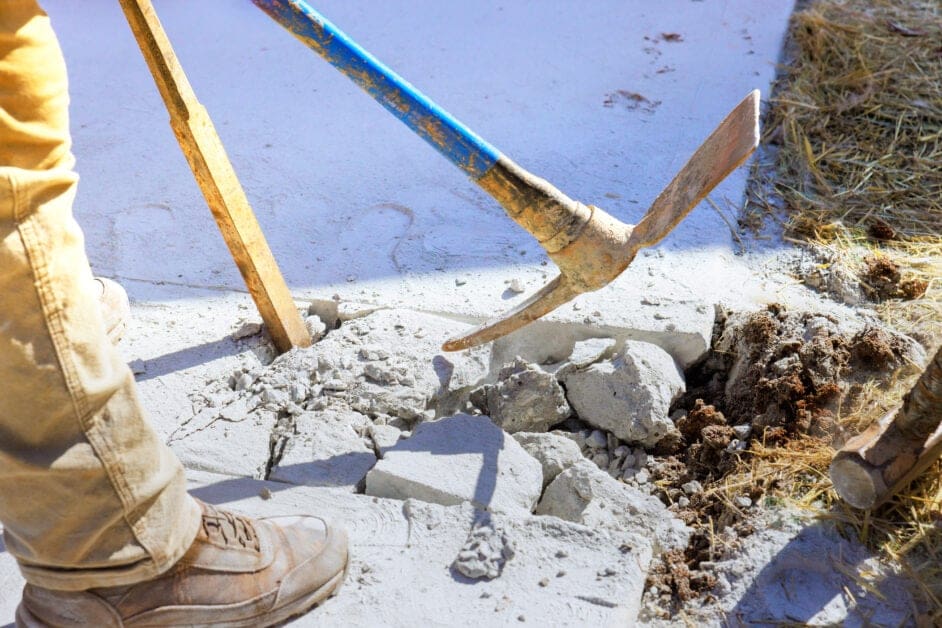
Contractor liability extends beyond physical damage to utilities. Your excavation work causes harm, and you hold legal responsibility for the consequences. This covers property damage, personal injury, and service disruptions. Understanding these risks helps you protect your business from financial devastation.
Types of Liability Contractors Face
Your construction liability exposure falls into several categories when utility strikes occur. Direct liability covers the immediate damage you cause to water pipes, gas lines, or electrical cables through your excavation work. This has both the physical repair of damaged infrastructure and any associated costs.
You also face indirect liability for consequential damages. You sever a fiber optic cable, and businesses lose connectivity and revenue. You rupture a gas line, and entire neighborhoods lose heating services. Utility carriers pursue these “loss of use” damages aggressively, which can dwarf repair costs. A utility carrier claimed nearly $2.5 million in loss of use damages even though repair costs totaled only $28,979.
Your employer liability covers worker injuries during excavation. Your crew member suffers electrical shock from a struck power line or injury from a gas explosion, and you’re responsible for medical expenses and potential lawsuits. General liability insurance and professional liability policies provide essential protection against these financial risks.
Financial Effect of Utility Strikes
Excavation-related damages to utilities cost approximately $30 billion each year in the United States. This staggering figure covers repair costs, emergency response expenses, property damage, medical bills, lost commerce, and service restoration.
Repair costs vary by utility type dramatically. Gas line repairs range from $5,000 to over $100,000. Electrical line repairs cost $10,000 to $200,000 or more. Fiber optic repairs start at $20,000 per incident. These figures represent only direct repair expenses, not the cascade of additional costs that follow.
Project delays compound your financial exposure. Extended labor costs, idle equipment rentals, contractual penalties, and regulatory fines add up quickly. Legal fees, court proceedings, and settlement costs arise when affected parties file lawsuits.
Common Scenarios Leading to Liability Claims
Failure to notify 811 before digging remains the single largest reason why it happens, contributing to 29% of all damages. Excavating issues account for another 29% of damages, while locating problems cause 28% of strikes. Contractors who hit utilities face liability unless they followed proper procedures. This means calling 811 and verifying utility locations.
Across the US, contractors often rely on professional locating providers to supplement standard utility markings and reduce risk on complex excavation sites. In dense urban areas where overlapping public and private utility networks increase the risk of costly strikes, Houston utility locating services become especially valuable.
Mismarked utilities create complex liability situations. The damaged utility line was more than 2 feet outside the marked area in 64% of utility strikes. Courts hold that statutory compliance alone may not satisfy your duty of reasonable care in high-risk scenarios increasingly.
Legal Requirements and the 811 System
Digging anywhere without calling for a utility locate violates state law in all 50 states and territories. Calling 811 is not optional; it’s a mandatory legal requirement that protects you from construction liability and hefty fines.
How the 811 Call Before You Dig System Works
The 811 system connects you with local utility companies before excavation begins. An operator collects details about your planned dig site at the time you dial 811, and this has location and work type information. You must mark your excavation area with white paint or flags before calling. This white lining helps utility locators identify your dig area quickly and accurately.
The system notifies member utility companies once your request is submitted, and they dispatch locators to mark underground facilities with colored flags or spray paint following APWA standards. The system processed 45.9 million tickets in 2024.
State-Specific Requirements and Timeframes
Most states require utility companies to respond within two business days, though specific timeframes vary. California and Nevada require electronic positive response, where utilities notify the 811 center how they responded to your ticket. Arkansas allows 20 working days for marks to remain valid, provided work starts within 10 working days. Florida requires two full business days for regular locate tickets and 10 business days for underwater locates.
But data from 12 states reveals that excavators face what amounts to a coin toss in expecting timely locates. Tickets receive all locates on time between 30-70% of the time, with most hovering around 50%.
Understanding Public vs Private Utility Coverage
The 811 system only covers public utilities owned and managed to keep by utility companies. Public utilities end at your meter or point of service. Any lines running from the meter to buildings, or between buildings on private property, are private and will not be marked. This has irrigation systems, electrical wiring to outbuildings, septic systems, and fiber optic cables between facilities.
Your Legal Obligations as a Contractor
You must wait the required number of business days before excavating and verify that all utility members have responded to your ticket request. You need to ensure you have received a response from all utility members before proceeding with digging. State regulations place full responsibility on you as the excavator to identify and protect private utilities. Construction law places clear responsibility on contractors to follow proper locating procedures and demonstrate reasonable care to prevent utility damage.
Smart Utility Locating Practices to Prevent Strikes
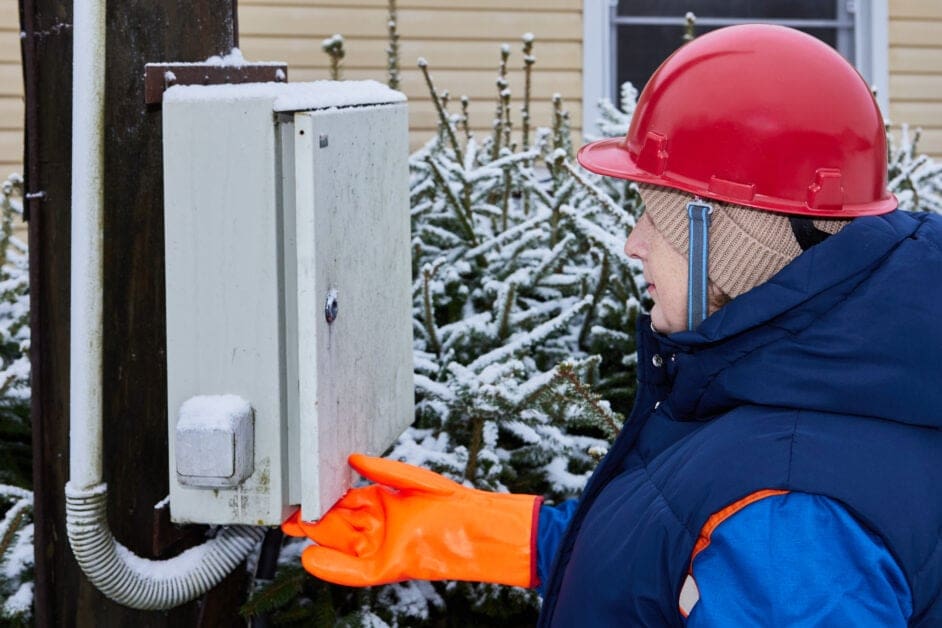
Prevention starts well before your excavation equipment arrives on site. Smart locating practices reduce your construction liability exposure and protect workers from utility strike hazards.
White Lining Your Excavation Path
Mark your excavation area with white paint or flags before calling 811. White lining reduces damages by eliminating confusion between you and utility locators. You can use continuous lines, dashed lines at four corners, or dots that show arcs and radii. Sites within a 50-foot radius need a single white stake at the center marked with your company identifier and excavation radius.
Proving Utility Marks Right Before Digging
Verify your dig site matches your 811 request and that all facility owners responded before breaking ground. Check that visible signs like pedestals, risers, and meters indicate unmarked facilities. Document utility markings with photographs before excavation begins. This helps resolve disputes if damage occurs.
Using Advanced Locating Technology
Ground penetrating radar detects non-metallic utilities that electromagnetic locators miss. GPR systems scan to depths of 8 feet depending on soil conditions. Electromagnetic locators work best with metallic pipes and cables. GPR excels at plastic conduits and non-conductive materials.
Hand Digging and Potholing in Tolerance Zones
State tolerance zones range from 18 to 24 inches on either side of marked utilities. You must hand dig or use vacuum excavation within these zones before operating mechanical equipment. Potholing exposes utilities and verifies horizontal position, depth, and condition.
Hiring Private Utility Locators as Needed
Private locators identify utilities beyond your meter that 811 doesn’t cover. These include irrigation systems, septic lines, and electrical feeds to outbuildings. Professional services provide depth measurements and achieve 99.8% accuracy rates.
Protecting Your Business with Insurance and Documentation
Insurance and full documentation create your financial safety net when utility incidents occur. These protections defend your business against claims and prove your compliance with safety regulations.
Essential Construction Liability Insurance Coverage
General construction liability insurance covers third-party claims with bodily injury, property damage, and personal injury. Most contracts require USD 1 million per occurrence and USD 2 million total limits. Workers’ compensation insurance provides medical treatment, wage replacement, disability benefits, and death benefits for employees injured on the job. The average workers’ compensation claim costs USD 40,051.
General Liability vs Workers Compensation
General liability protects your business from claims made by third parties. Workers’ comp covers employee injuries and illnesses. General liability responds when a customer trips over your equipment. Workers’ comp responds when your employee strains their back lifting materials. Median costs run USD 45 monthly for general liability and USD 54 monthly for workers’ comp.
Documentation That Proves Compliance
Photograph all utility markings before excavation begins. Take photos at different distances and use marker pylons to highlight locate marks. Document the whole job site because you cannot predict where damage might occur. A construction defect litigation expert may rely on your documentation to evaluate whether proper locating procedures were followed and determine liability in dispute situations.
Creating a Complete Paper Trail
Create a Project Safety and Damage Prevention File for every excavation. Record the site before locating begins, after utilities respond, and after potholing. Document unmarked facilities, downtime costs, and owner responses to incidents. Insurance companies often pay frivolous claims rather than fight them without proper documentation.
Conclusion
Construction liability is not a matter of chance. It depends on preparation and consistent safety practices before excavation even begins. Contractors who prioritize accurate utility locating protect their crews, avoid costly delays, and reduce legal exposure. When verification, private locating, and safe digging methods become routine, excavation becomes more predictable and far less risky. This allows you to complete projects with confidence and maintain control over both timelines and costs.
Over time, strong locating practices and proper insurance coverage help build a reliable and trusted business. Clients and insurers value contractors who demonstrate responsibility and careful planning. Every incident avoided protects your financial stability and strengthens your reputation. By treating utility locating as an essential part of every project, you protect your business while creating a foundation for long-term success.