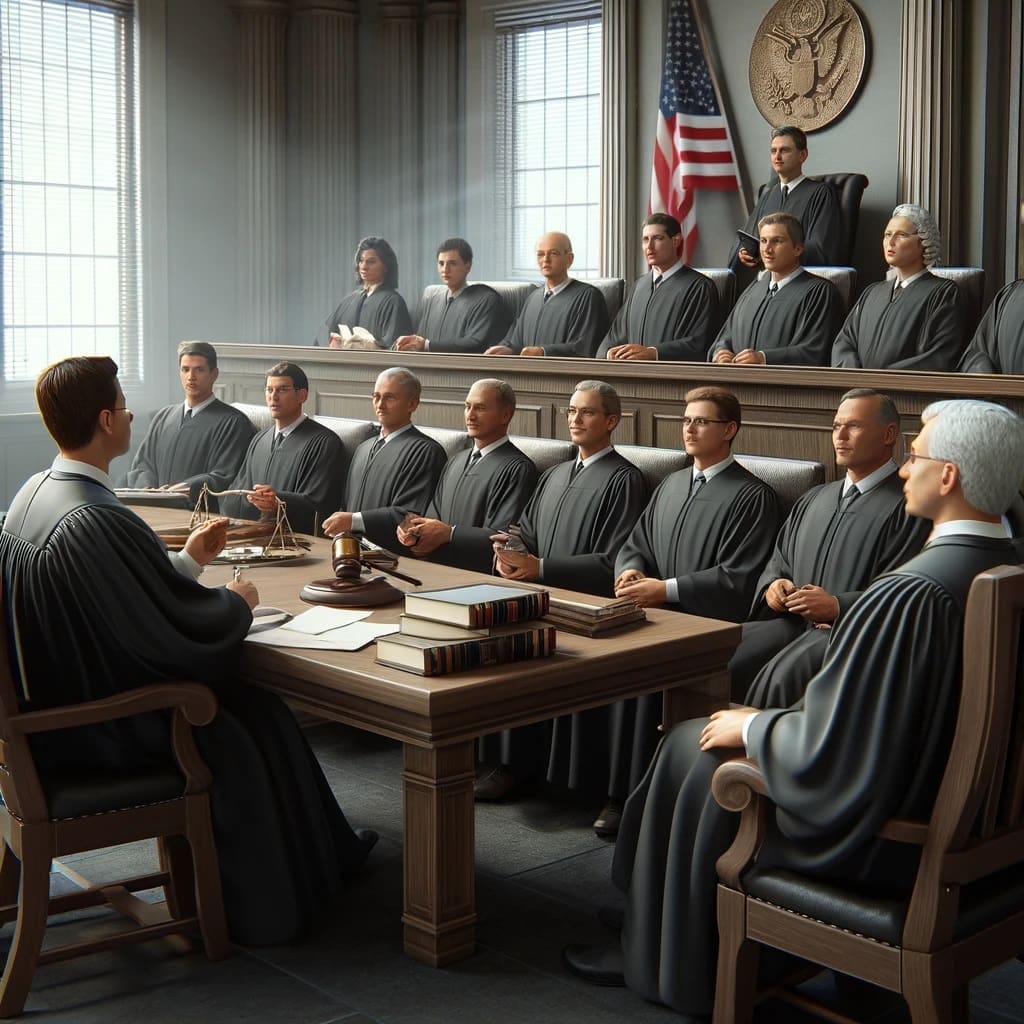
Appellate Process

Explore comprehensive resources on the appellate process, where you’ll find insightful articles, video interviews with experienced attorneys, and detailed legal glossary definitions. This section covers the critical steps of appealing a court decision, including filing briefs, oral arguments, and understanding the role of appellate courts. Whether you’re a legal professional or an individual seeking clarity on appeals, our content provides the expertise and information you need to navigate this complex aspect of the legal system.

Michael Peterson case timeline infographic

Michael Peterson Staircase Case Timeline – What to Expect

The Michael Peterson Staircase case timeline spans about 16 years, from Kathleen Peterson’s death in 2001 to Peterson’s 2017 Alford plea. It includes a 2003 conviction, a 2011 new-trial order, and multiple appeal and retrial steps before final resolution. This article breaks down each major milestone so readers know what to expect at every stage. […]

Michael Peterson Staircase Case Timeline – What to Expect Read More »

Applying New Laws to Old Crimes

Retroactive Laws: When New Rules Apply to Past Crimes

Retroactive criminal laws are generally unconstitutional in the U.S. under the Constitution’s Ex Post Facto Clauses, which prohibit new laws that increase punishment or criminalize past conduct. However, retroactivity questions still arise through court rulings, procedural changes, sentencing amendments, and civil or regulatory schemes that may affect prior acts. This article explains what counts as

Retroactive Laws: When New Rules Apply to Past Crimes Read More »

Unpacking The Staircase Legal Conundrums

Michael Peterson: The Staircase Case and Its Legal Complexities

Kathleen Peterson was found dead at the bottom of a staircase in Durham, North Carolina, on December 9, 2001, leading to Michael Peterson’s murder prosecution. The case drew national attention for contested bloodstain forensics, expert testimony battles, and post-conviction procedural twists highlighted in “The Staircase.” This article explains the key facts, legal issues, and why

Michael Peterson: The Staircase Case and Its Legal Complexities Read More »

In-Depth Analysis of Appealable Orders by Seasoned Lawyers

Navigating the Intricacies of Appealable Orders in Legal Proceedings

An order is appealable when it qualifies as a final judgment (or a recognized exception) that conclusively resolves the parties’ rights and leaves nothing substantive for the trial court to decide. Many rulings are not immediately reviewable, and missing the correct appeal path or deadline can forfeit appellate rights. This article explains what makes an

Navigating the Intricacies of Appealable Orders in Legal Proceedings Read More »

Insightful Deliberation by Appellate Judges During Legal Appeal

The Role and Influence of Appellate Courts in the Judicial System

Appellate courts review lower-court decisions for legal error and can affirm, reverse, modify, or remand a case. They generally do not retry facts; instead, they focus on issues like procedure, statutory interpretation, and constitutional rights to promote consistency across the legal system. This article explains how appellate courts work, their standards of review, and their

The Role and Influence of Appellate Courts in the Judicial System Read More »

Scroll to Top