Bankruptcy

Explore a wealth of resources related to bankruptcy law, including in-depth articles, expert video interviews with attorneys, and comprehensive legal glossary definitions. Visitors will gain insights into various bankruptcy types, the filing process, and the implications for individuals and businesses. Whether you’re seeking to understand Chapter 7 or Chapter 13 bankruptcy, our content provides reliable information to help you navigate financial challenges effectively.

Protect Your Investments: The Power of Bankruptcy Remote Entities

Why Are Remote Entities Important for Securitization?

Remote entities (often bankruptcy‑remote SPVs) are crucial in securitization because they isolate the underlying assets from an originator’s insolvency, helping preserve cash flows and protect investors. By limiting the entity’s activities and structuring governance to reduce bankruptcy risk, transactions can achieve stronger credit ratings and lower funding costs. This article explains what “remote” means, the […]

Why Are Remote Entities Important for Securitization? Read More »

Full Bankruptcy Guide: Understanding All Forms & Options

Understanding Bankruptcy – What Are The Other Forms You Need To Know?

In most consumer bankruptcy cases, you’ll need more than the petition—typically a full set of schedules, a statement of financial affairs, and a means test form (often 20+ documents total). These filings disclose your income, debts, assets, expenses, and recent financial activity so the court and trustee can evaluate eligibility and administer the case. This

Understanding Bankruptcy – What Are The Other Forms You Need To Know? Read More »

Debtors' Handbook: Mastering the Bankruptcy Clause for Relief

How to Negotiate Bankruptcy Clauses in Contracts

Bankruptcy clauses can be negotiated to limit counterparties’ termination rights, preserve payment priority, and reduce financial disruption if insolvency occurs. Because many “ipso facto” provisions are restricted under U.S. bankruptcy law, careful drafting can still protect key remedies, set notice and cure periods, and allocate risk before a filing. This article explains common bankruptcy clause

How to Negotiate Bankruptcy Clauses in Contracts Read More »

Secure Your Future: Essential Bankruptcy Estate Planning Tips

Everything You Need To Know About Bankruptcy Estate Planning

Bankruptcy estate planning helps protect exempt assets and reduce risk before filing, but improper transfers can be clawed back for up to 2 years (and longer for certain fraud claims). Because your “bankruptcy estate” can include most property you own when you file, timing and documentation matter. This article explains what counts as estate property,

Everything You Need To Know About Bankruptcy Estate Planning Read More »

Ready to File for Bankruptcy? Understand the Legal Musts

What Documents Do You Need to File Bankruptcy Petition?

To file a bankruptcy petition, you typically need 6 months of pay stubs or other proof of income, 2 years of tax returns, recent bank statements, a full list of debts and assets, and a credit-counseling certificate. These documents help the court verify your finances, apply exemptions, and determine eligibility under Chapter 7 or Chapter

What Documents Do You Need to File Bankruptcy Petition? Read More »

The Bankruptcy Code Explained: Essential Legal Insights

Why Is the Bankruptcy Code Important for Debtors?

The Bankruptcy Code is important for debtors because it provides a legal process to discharge or restructure qualifying debts while activating an automatic stay that can immediately stop most collection efforts. It also sets uniform federal rules for exemptions, creditor priorities, repayment plans, and court oversight, helping ensure fair treatment and predictable outcomes. This article

Why Is the Bankruptcy Code Important for Debtors? Read More »

Navigate Bankruptcy Sales with Confidence: Legal Expertise Awaits

When Can Creditors Challenge Bankruptcy Sales?

Creditors can challenge a bankruptcy sale before the sale order becomes final—typically within 14 days under Bankruptcy Rule 8002—or later if fraud, lack of notice, or collusion is proven. After closing, §363(m) often bars reversal on appeal if the buyer acted in good faith, making prompt objections essential. This article explains the main legal grounds,

When Can Creditors Challenge Bankruptcy Sales? Read More »

Navigate Chapter 13 Bankruptcy: Essential Strategies for Relief

How Do You Complete a Chapter 13 Bankruptcy Plan?

You complete a Chapter 13 bankruptcy plan by making all required plan payments on time—typically over 36 to 60 months—and meeting any additional court-ordered duties until you receive a discharge. The trustee distributes your payments to creditors while you stay current on ongoing obligations like mortgage payments, taxes, and domestic support. This article explains the

How Do You Complete a Chapter 13 Bankruptcy Plan? Read More »

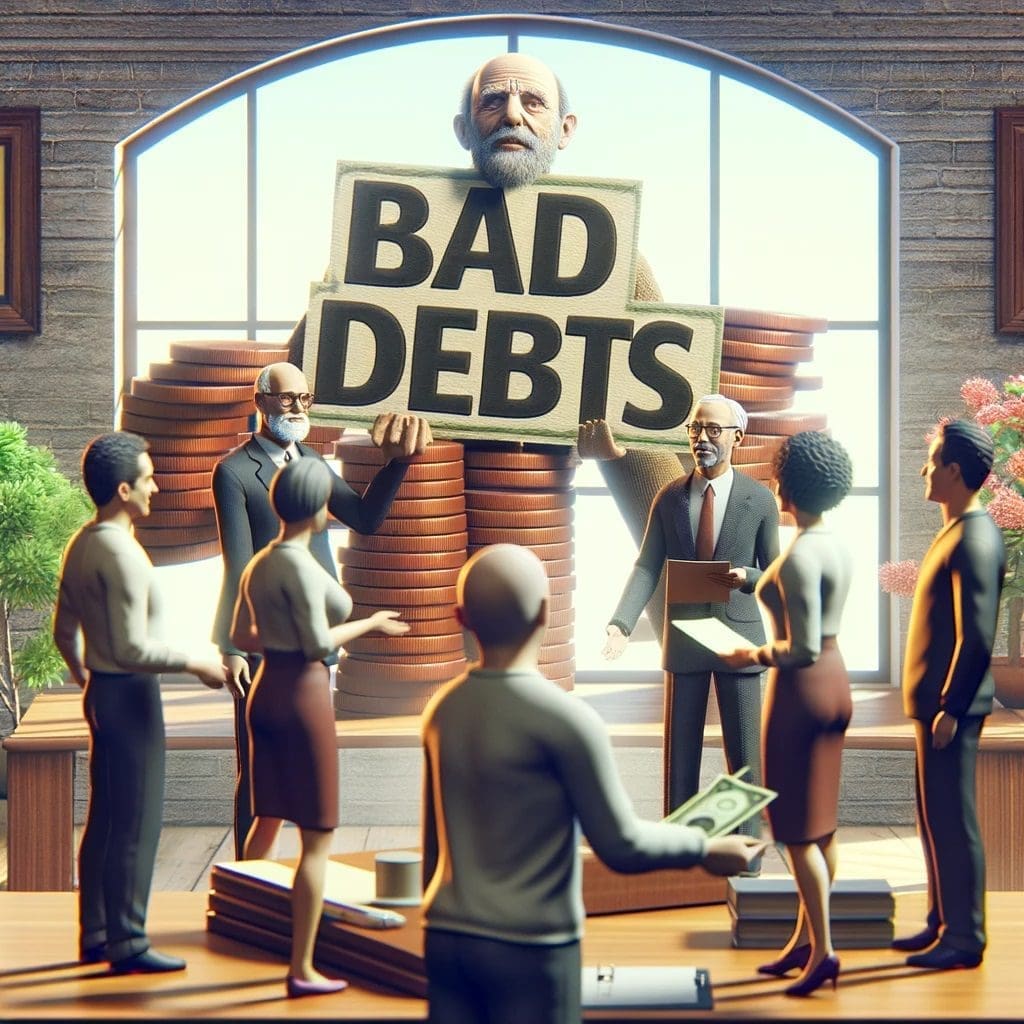
Real-Life Interactions with Bad Debts: A Visual Representation

What Happens If Debtors Ignore Court Orders?

If debtors ignore court orders, they can face contempt of court, fines, arrest warrants, and stronger collection actions such as wage garnishment or bank levies. Courts may view noncompliance as willful, escalating penalties and limiting defenses, especially after missed hearings or ignored discovery. This article explains common orders in debt cases, what creditors can request,

What Happens If Debtors Ignore Court Orders? Read More »

Unlock Bankruptcy's Potential: Key Legal Strategies Unveiled

Can You Challenge Creditors Using Bankruptcy Powers?

Yes—bankruptcy gives you legal tools to challenge creditors, including the automatic stay, claims objections, and avoidance actions that can reduce or eliminate certain debts. These powers can stop collection efforts, force creditors to prove what they’re owed, and unwind improper liens or transfers. This article explains the key bankruptcy powers used to dispute creditor claims,

Can You Challenge Creditors Using Bankruptcy Powers? Read More »

Scroll to Top