
Clean Water Act

Visitors exploring this section will find a wealth of information related to the Clean Water Act, including its historical context, key regulations, and the impact on water quality management in the United States. The content covers significant legal cases, compliance requirements, and enforcement actions that shape environmental law. Gain insights into the roles of federal and state agencies in upholding this essential legislation, as well as resources for understanding your rights and responsibilities regarding water protection.

Clean water flowing from tap with droplets

What is the Clean Water Act?

The Clean Water Act is a U.S. federal law enacted in 1972 to reduce water pollution by regulating pollutant discharges into “waters of the United States.” It established permitting programs like the NPDES and set enforceable water quality standards for rivers, lakes, wetlands, and coastal waters. This article explains the Act’s purpose, key provisions, and […]

What is the Clean Water Act? Read More »
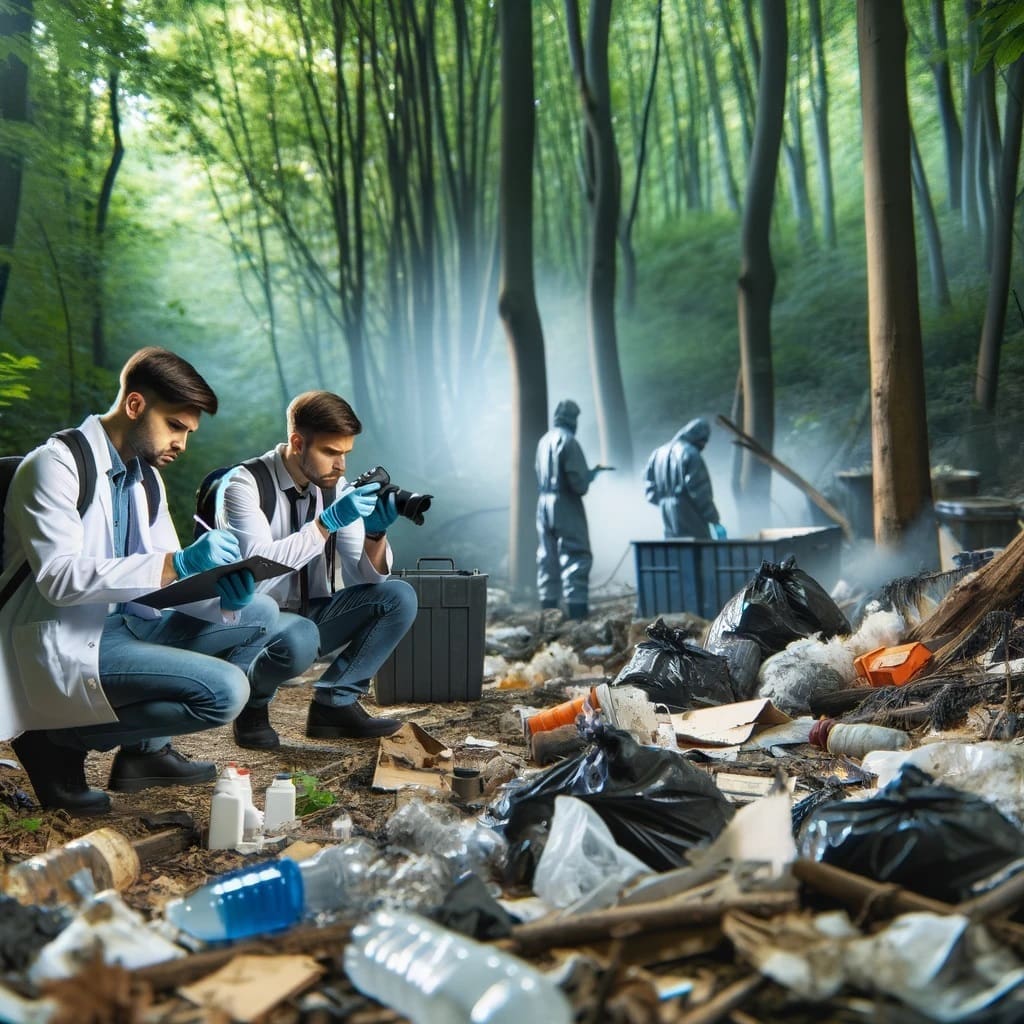
Inspectors at Illegal Dumping Site in Forest

Understanding Environmental Crime: Legal Insights and Consequences Explained Clearly

Environmental crime is a serious issue that has far-reaching implications for both our natural surroundings and human health. It encompasses illegal activities that harm the environment, such as illegal dumping of waste, poaching of endangered species, illegal logging, and pollution of air and water bodies. This article delves into the various aspects of environmental crime,

Understanding Environmental Crime: Legal Insights and Consequences Explained Clearly Read More »

Scroll to Top