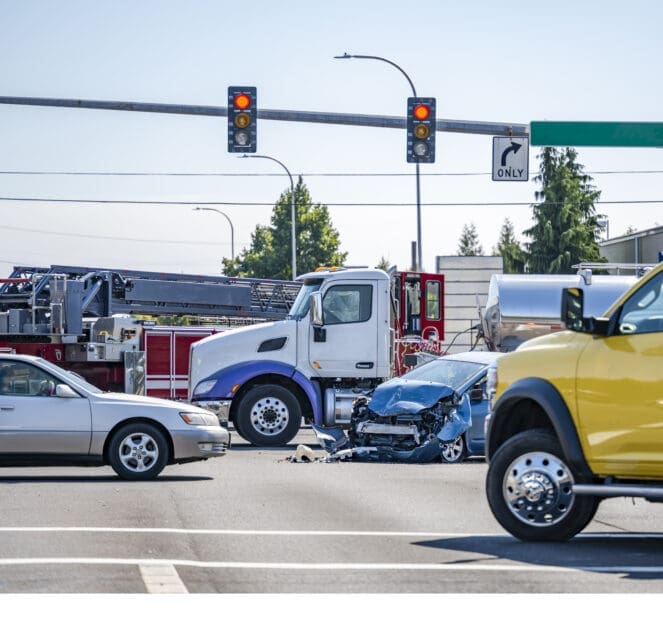
comparative fault

Explore insightful content on how liability is distributed among parties in a legal dispute, focusing on the percentage of fault assigned to each. Visitors will find comprehensive articles, video interviews with attorneys, and detailed explanations surrounding this key concept in personal injury law. Gain a clearer understanding of how shared responsibility can impact the outcome of negligence claims and settlements.

Comparative fault impact on injury compensation payout

What ‘Comparative Fault’ Really Means for Your Payout

Comparative fault can reduce your injury payout by the percentage of blame assigned to you—e.g., 30% fault means a 30% cut in damages. In many states, you can still recover compensation even if you were partly responsible, though some bar recovery at or above a threshold (often 50% or 51%). This article explains how comparative […]

What ‘Comparative Fault’ Really Means for Your Payout Read More »

You May Still Deserve Compensation Even If You Were Partially at Fault in Tulsa

Can You Still Get Compensation If You Were Partially at Fault in Tulsa?

Yes—under Oklahoma’s modified comparative negligence (51% rule), you can recover compensation in Tulsa if you’re 50% or less at fault. Your award is reduced by your percentage of blame, and you recover nothing if you’re 51%+ responsible. This article explains how fault affects settlements and what evidence matters in Tulsa injury claims. Yes, you can

Can You Still Get Compensation If You Were Partially at Fault in Tulsa? Read More »

Who Is Liable in a South Carolina Car Accident and How to Maximize Your Compensation in 2026

Who Is Liable in a South Carolina Car Accident? (2026 Guide to Fault, Insurance, and Maximum Compensation)

In South Carolina, the at-fault driver is liable for damages, and you can recover compensation if you are less than 51% at fault. Liability is determined by evidence and South Carolina’s modified comparative negligence rule, which reduces your recovery by your fault percentage. This guide explains fault, insurance claims, and how to pursue maximum compensation.

Who Is Liable in a South Carolina Car Accident? (2026 Guide to Fault, Insurance, and Maximum Compensation) Read More »

Expert Legal Help for Premises Accident Liability

Slip-and-Fall Lawyer: Proving Liability in Premises Accidents

A slip-and-fall lawyer typically must prove 4 elements to establish liability: duty, breach, causation, and damages. This is done by showing the property owner knew or should have known of a hazardous condition and failed to fix or warn. This article explains key evidence, legal standards, and strategies used to prove fault and recover compensation.

Slip-and-Fall Lawyer: Proving Liability in Premises Accidents Read More »

Navigating Fault in Wrongful Death Suits: Lawyer's Advice

What if the Defendant Claims the Deceased Was Partly at Fault? Advice from a Wrongful Death Lawyer

Yes—under comparative negligence, a finding that the deceased was partly at fault can reduce damages by that same percentage (and in some states can bar recovery at 50% or 51%). Defendants must prove the decedent’s share of fault with evidence, and your lawyer can challenge it through records, experts, and witness testimony. This article explains

What if the Defendant Claims the Deceased Was Partly at Fault? Advice from a Wrongful Death Lawyer Read More »

Scroll to Top