debt collection lawsuit

Explore comprehensive resources on legal proceedings involving unpaid debts, including video interviews with experienced attorneys and detailed articles about the debt collection process. Visitors will find valuable insights into creditor rights, debtor defenses, and the nuances of navigating collection lawsuits under relevant federal and state laws. This section is designed to educate individuals seeking to understand their legal options and obligations without providing direct legal advice.

Close-up of a red rounded sign displaying the words 'Final Notice' in large pale letters.

Your First Steps After a Debt Collection Lawsuit: A Practical Checklist to Protect Your Rights and Avoid Default Judgment

If you’re sued by a debt collector, you typically have about 14–30 days (depending on your state) to file a written Answer and avoid a default judgment. Ignoring the summons can let the collector win automatically and pursue tools like wage garnishment or bank account levies. This article walks you through a practical checklist—reviewing the
Your First Steps After a Debt Collection Lawsuit: A Practical Checklist to Protect Your Rights and Avoid Default Judgment Read More »

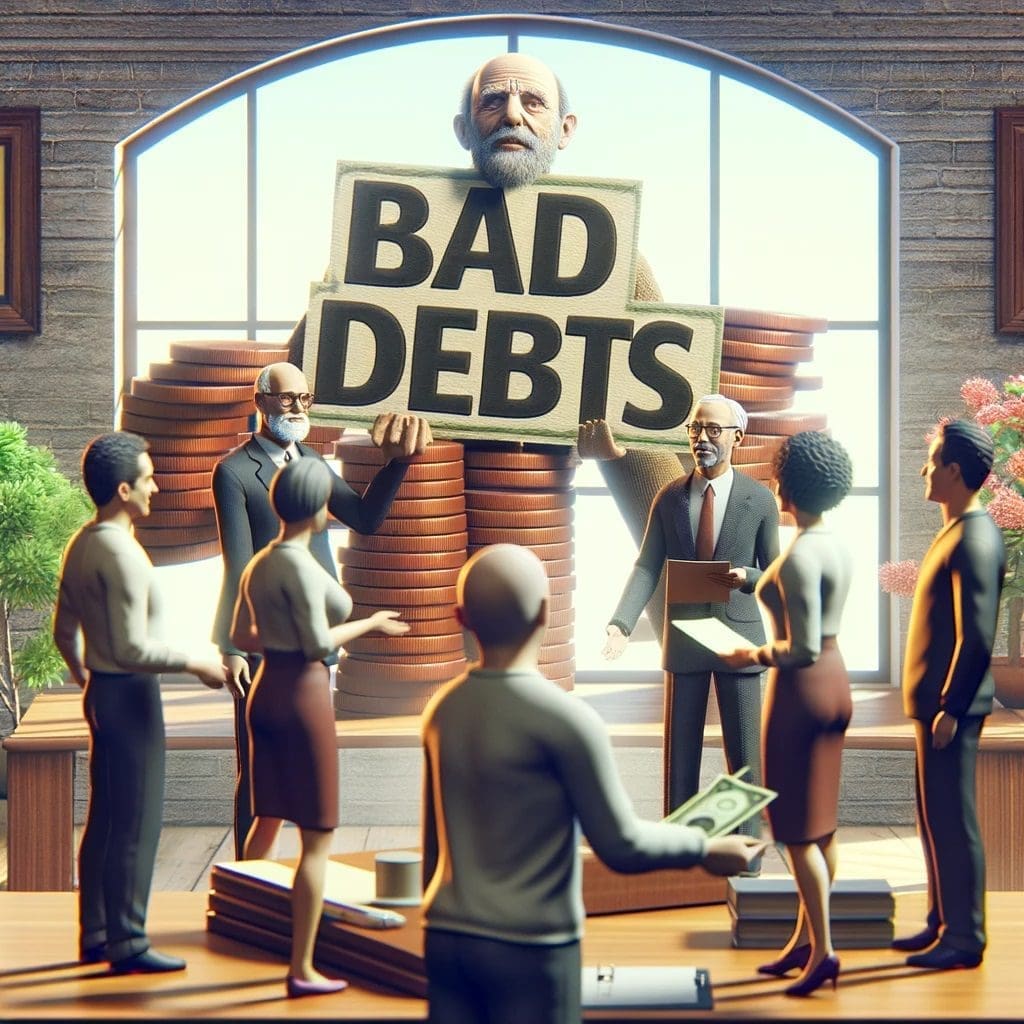
Real-Life Interactions with Bad Debts: A Visual Representation

What Happens If Debtors Ignore Court Orders?

If debtors ignore court orders, they can face contempt of court, fines, arrest warrants, and stronger collection actions such as wage garnishment or bank levies. Courts may view noncompliance as willful, escalating penalties and limiting defenses, especially after missed hearings or ignored discovery. This article explains common orders in debt cases, what creditors can request,

What Happens If Debtors Ignore Court Orders? Read More »

Debt Collection Laws: Protect Clients for Consumer Law Advocates

Fair Debt Collection Practices Act: Your Complete Guide to Federal Consumer Protection Laws and Constitutional Safeguards

The Fair Debt Collection Practices Act (FDCPA) is a 1977 federal law that bans abusive, deceptive, and unfair third‑party debt collection practices nationwide. It sets uniform minimum standards while allowing states to impose stronger protections and preserving constitutional and creditor rights. This article covers FDCPA rules, consumer remedies, deadlines, and federal-state compliance. Consumers frequently ask,

Fair Debt Collection Practices Act: Your Complete Guide to Federal Consumer Protection Laws and Constitutional Safeguards Read More »

Know Your Rights in Debt Collection Defense

Debt Collection Defense: Know Your Legal Rights

Consumers have strong legal protections against debt collectors under laws like the Fair Debt Collection Practices Act (FDCPA) and, in many cases, state statutes. These rules limit when and how collectors can contact you, prohibit harassment and false statements, and give you the right to dispute a debt and request verification. This article explains key

Debt Collection Defense: Know Your Legal Rights Read More »

Scroll to Top