Debt Settlement

Explore a comprehensive collection of resources detailing the legal nuances of negotiating with creditors to reduce outstanding debts. Visitors will find insightful video interviews with experienced debt settlement attorneys, articles on debt negotiation strategies, and definitions of key legal terms related to financial obligations. This content aims to inform users about the processes involved in debt reduction and the legal rights of debtors.

Navigating Debt Relief with Legal Alternatives

Bankruptcy Alternatives: Legal Options for Debt Relief

Bankruptcy alternatives include at least 5 common options: debt negotiation, debt settlement, consolidation loans, credit counseling/DMPs, and informal repayment plans. These can reduce payments or interest and may help preserve credit compared with a bankruptcy filing. This article explains key legal debt relief paths and when each may fit individuals or businesses. When individuals and

Bankruptcy Alternatives: Legal Options for Debt Relief Read More »

Bankruptcy Alternatives with a Debt Relief Expert

Debt Relief Attorney: Alternatives to Bankruptcy

A debt relief attorney can often reduce unsecured balances by 20–60% through negotiation, settlement, or structured repayment plans without bankruptcy. The right option depends on income, assets, creditor pressure, and whether the debt is secured or unsecured. This article outlines key bankruptcy alternatives, when they work best, and how an attorney can implement them. When

Debt Relief Attorney: Alternatives to Bankruptcy Read More »

Lawyer Explaining Debt Discharge Process to Client

Can a Bankruptcy Lawyer Help Discharge All My Debts?

A bankruptcy lawyer can help discharge many unsecured debts, but not all—common nondischargeable debts include most student loans, recent taxes, and child support. An attorney evaluates Chapter 7 vs. Chapter 13 eligibility, protects exemptions, and handles filings, creditors, and court requirements. This article explains which debts can be discharged, key exceptions, and how the process

Can a Bankruptcy Lawyer Help Discharge All My Debts? Read More »

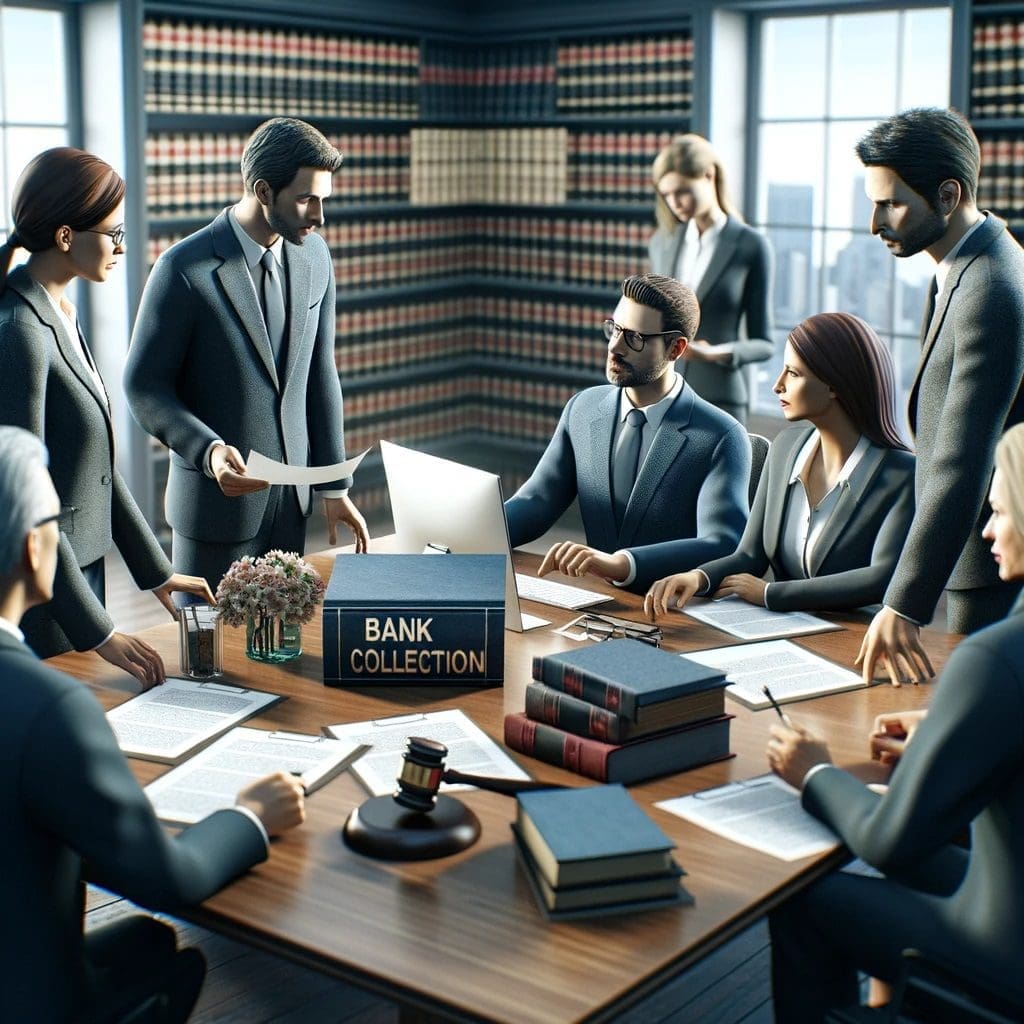
Expert Legal Advice in Bank Collection Matters

Navigating Bank Collection in Civil and Criminal Law: Understanding Legal Procedures and Debtor Rights

Bank collection is usually a civil process where creditors sue for a judgment and can pursue wage garnishment or bank levies. Criminal law applies only when there’s evidence of fraud, theft, or bad-check conduct—not mere nonpayment. This article explains the procedures, debtor defenses, and how civil collections can overlap with criminal investigations. Navigating the complex

Navigating Bank Collection in Civil and Criminal Law: Understanding Legal Procedures and Debtor Rights Read More »

Scroll to Top