

dischargeability of debt

Explore comprehensive resources and expert interviews discussing the criteria and legal processes involved in determining whether debts can be discharged under U.S. bankruptcy laws. Visitors will find informative content on topics such as Chapter 7 and Chapter 13 bankruptcy, including key factors that influence the dischargeability of various types of debt. Enhance your understanding of how specific debts, like student loans or tax obligations, are treated in bankruptcy proceedings through detailed articles and legal glossary entries.

Preparation in Action: Lawyers and Clients Before a Bankruptcy Appeal

How to prepare for a successful appeal?

A successful bankruptcy appeal starts by meeting the 14-day deadline to file a notice of appeal after the bankruptcy court enters its order. Then you must build a clean record, identify appealable issues, and file a persuasive brief focused on legal errors. This article explains the bankruptcy appeals process and how to navigate it effectively. […]

How to prepare for a successful appeal? Read More »
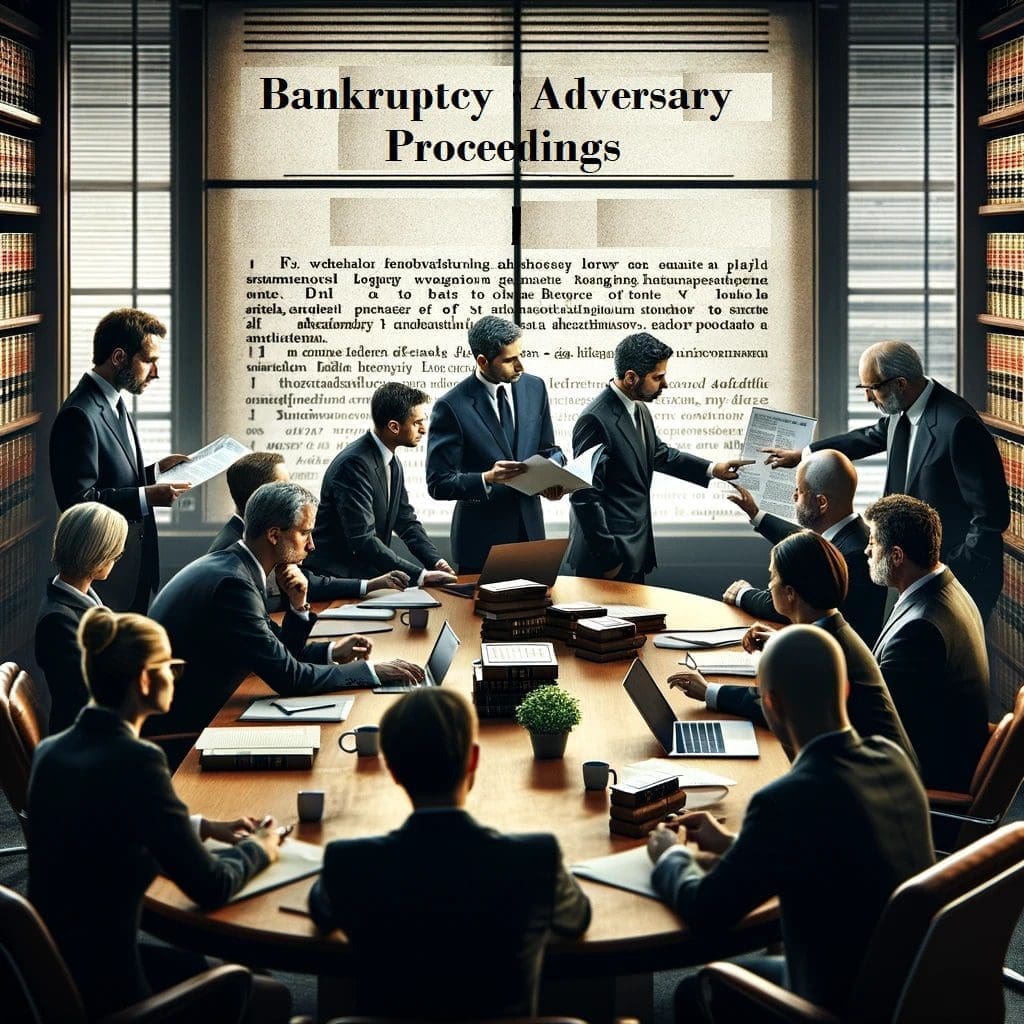
Bankruptcy Law Professionals in Action: Adversary Proceeding Strategy Meeting

Why You Need to Understand Adversary Proceedings

Bankruptcy adversary proceedings are separate lawsuits filed within a bankruptcy case to resolve disputes like debt dischargeability, lien validity, or fraud claims. They follow formal federal rules, with a complaint, service, discovery, and trial in bankruptcy court. This article explains what they are, common issues litigated, and why they matter to debtors and creditors. In

Why You Need to Understand Adversary Proceedings Read More »

Scroll to Top