
Legal Responsibility

Explore a comprehensive collection of articles, resources, and interviews that delve into the obligations and duties individuals and entities may have under the law. Visitors will gain insights into various topics such as liability, accountability, and the ramifications of failing to meet legal expectations. This tag encompasses expert discussions on topics like contractual obligations, negligence, and compliance across different legal contexts.

Illustrating the Impact of the Eggshell-Skull Rule on Liability

Why Is the Eggshell-Skull Rule Critical for Plaintiffs?

The Eggshell-Skull Rule is critical for plaintiffs because it makes a defendant liable for 100% of the harm they cause, even if a preexisting condition makes injuries worse. It prevents defendants from reducing damages by arguing the plaintiff was unusually fragile or vulnerable. This article explains how the rule works, what plaintiffs must prove, and […]

Why Is the Eggshell-Skull Rule Critical for Plaintiffs? Read More »

Criminal Law Responsibility for Others' Actions

Vicarious Liability in Criminal Law: Responsible for Others’ Acts

Vicarious liability in criminal law can make 1 person criminally responsible for another’s acts when a special legal relationship and a statute allow it. It most often arises in employer–employee settings, corporate offenses, and strict-liability regulatory crimes where supervision or control is key. This article explains the doctrine, common examples, defenses, and limits. In the

Vicarious Liability in Criminal Law: Responsible for Others’ Acts Read More »

Legal Consequences of Being an Accomplice

Criminal Profiling: Legal Uses and Limitations in Investigations

Criminal profiling is an investigative tool that generates a behavioral suspect profile from crime-scene and victim data, but it is not direct proof and is rarely admissible as standalone evidence. Courts scrutinize profiling testimony for reliability, relevance, and unfair prejudice, especially where bias or confirmation errors are possible. This article explains lawful uses, major limitations,

Criminal Profiling: Legal Uses and Limitations in Investigations Read More »

Understanding Your Rights with Appearance Bonds in Legal Offices

Understanding Appearance Bonds: A Comprehensive Guide to Legal Release Procedures

An appearance bond lets a defendant leave custody by promising—often with a set dollar amount or surety—to return for all court dates. Courts use it to balance public safety with the defendant’s right to remain free while a case is pending. This article explains how appearance bonds work, eligibility and costs, conditions and consequences of

Understanding Appearance Bonds: A Comprehensive Guide to Legal Release Procedures Read More »

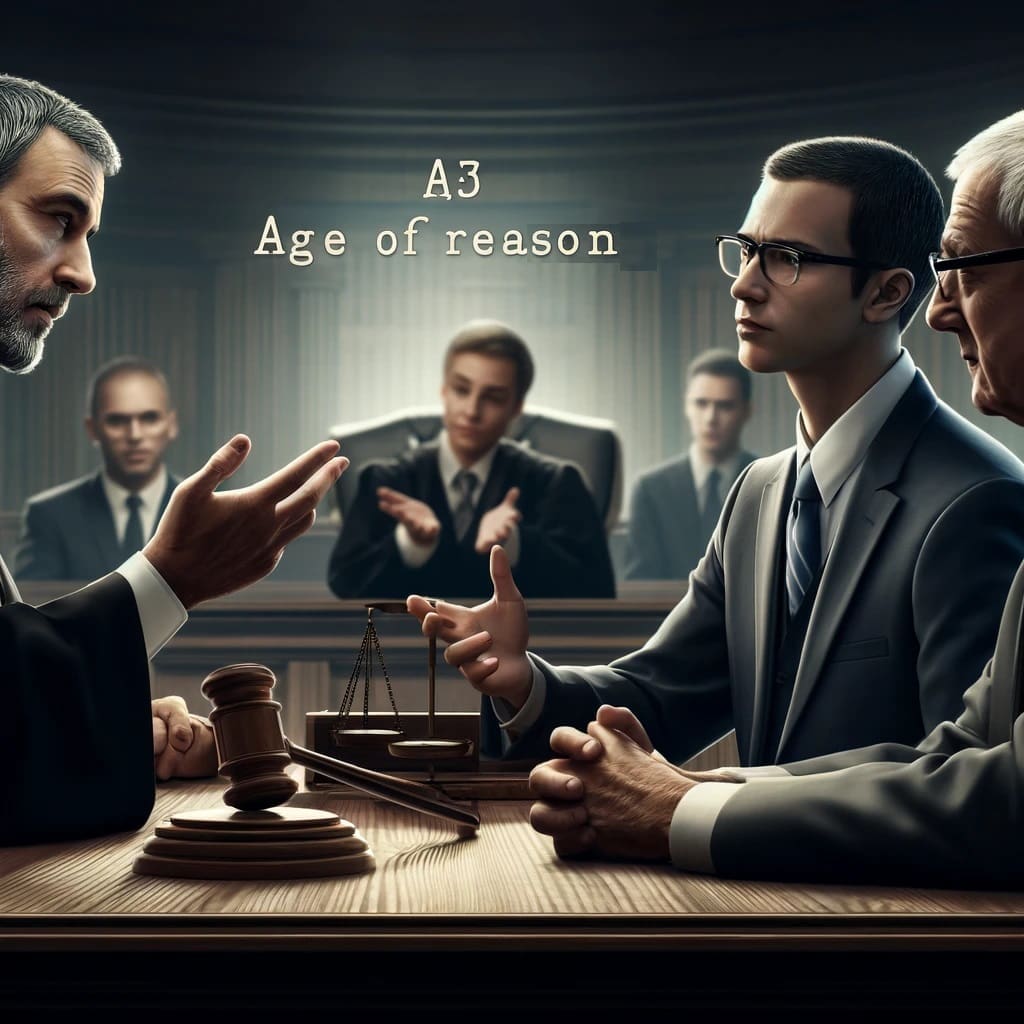
Courtroom Discussion on Child's Cognitive Capacity and Law

The Legal Foundations and Implications of the Age of Reason

In most jurisdictions, the “age of reason” is the minimum age—often set around 7 to 14—at which a child can be presumed capable of criminal intent. It shapes whether juvenile conduct is treated as delinquency, a need for services, or potentially a criminal matter, and the threshold varies widely by state and country. This article

The Legal Foundations and Implications of the Age of Reason Read More »

Depicting the Role of a Bailor in Legal Property Transfer

Exploring the Bailor’s Role in Property Law and Bailment Agreements

A bailor is the property owner who transfers possession (not ownership) to a bailee for a specific purpose. The bailor must disclose known defects and can set terms, while the bailee owes proper care and return of the item. This article explains bailor rights, responsibilities, common bailment scenarios, and liability issues in property law. In

Exploring the Bailor’s Role in Property Law and Bailment Agreements Read More »

Scroll to Top