Maritime Law

Explore comprehensive content related to the complex field governing nautical matters and maritime disputes, including video interviews with experienced maritime attorneys and in-depth articles on international shipping regulations. Visitors will find a wealth of information on topics such as admiralty jurisdiction, maritime liens, and the intricacies of maritime contracts, all designed to enhance understanding of the legal frameworks that protect interests on the open seas.

Maritime law scales with ship and gavel on ocean backdrop

Maritime Law Explained: Complete Guide to Admiralty Rules

Maritime law, also known as admiralty law, is a specialized legal framework governing activities on navigable waters. This comprehensive guide explores international maritime law principles, from shipping contracts and cargo disputes to marine insurance and environmental regulations at sea.

Maritime Law Explained: Complete Guide to Admiralty Rules Read More »
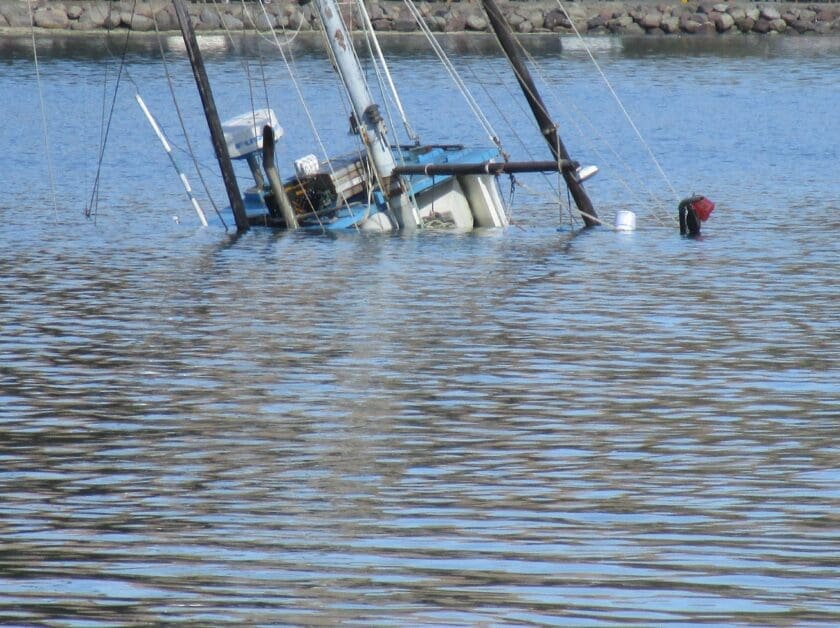
Injured in a Boat Accident? Discover How a Lawyer Protects Your Rights & Wins Compensation

What Role Does a Lawyer Play in a Boat Accident Case?

A boat accident lawyer handles 100% of the legal work—investigation, evidence gathering, liability proof, and damage valuation—to pursue compensation. They deal with insurers, deadlines, and court filings so you don’t pay for someone else’s negligence. This article covers how attorneys build a boating injury case, negotiate settlements, and litigate when needed in Baton Rouge. A

What Role Does a Lawyer Play in a Boat Accident Case? Read More »

Intense Deliberation on Back-Freight Case by Experienced Law Professionals

How to Handle Back-Freight in Maritime Law

Back-freight is the return freight owed when cargo can’t be delivered without the carrier’s fault and must be carried back. It typically turns on the bill of lading/charter party terms and whether the consignee’s refusal or port issues triggered re-delivery. This article explains when back-freight is payable, how to document it, and how to resolve

How to Handle Back-Freight in Maritime Law Read More »

Understanding Maritime Law: Essential Tips and Legal Insights for Navigators

Comprehensive Guide to Maritime Law: Key Insights and Legal Considerations

Maritime (admiralty) law governs legal disputes on navigable waters, including shipping contracts, cargo damage, marine insurance, collisions, and seafarer injuries. It blends U.S. federal statutes with international conventions and specialized court procedures. This article outlines core maritime claims, liability rules, and practical legal considerations for maritime businesses and individuals. Maritime law, also known as admiralty

Comprehensive Guide to Maritime Law: Key Insights and Legal Considerations Read More »

Global Maritime Commerce: A Discussion on the Baltic Exchange

The Baltic Exchange: Anchoring the World of Maritime Trade and Arbitration

The Baltic Exchange is a London-based maritime marketplace founded in 1744 that publishes key shipping indices and supports standardized chartering practice. It underpins global trade by providing trusted market data and a framework commonly referenced in shipping contracts and disputes. This article covers its history, core functions, and relevance to maritime arbitration. The Baltic Exchange,

The Baltic Exchange: Anchoring the World of Maritime Trade and Arbitration Read More »

Legal Compliance in Shipping: A Focus on Ballastage in Maritime Ports

Ballastage in Maritime Law: Navigating Legal and Environmental Waters

Ballastage is the practice of taking on ballast water or other weight to stabilize a vessel, and it carries significant legal and environmental compliance obligations. Because ballast operations can introduce invasive species and pollution, they are regulated through international conventions and national laws that require specific management and reporting. This article explains how ballastage is

Ballastage in Maritime Law: Navigating Legal and Environmental Waters Read More »

Ensuring Marine Safety: Professionals in Action for Ballast Water Compliance

Navigating Ballast Water Regulations: Ensuring Maritime Environmental Compliance

Ballast water compliance generally requires ships to manage and treat ballast water under the IMO Ballast Water Management Convention (and, in some waters, additional national rules) before discharge. These regulations aim to prevent invasive aquatic species and pathogens from spreading between ecosystems, with documentation, reporting, and approved treatment systems often mandatory. This article explains the

Navigating Ballast Water Regulations: Ensuring Maritime Environmental Compliance Read More »

Scroll to Top