presidential immunity

Visitors exploring this tag on Attorneys.Media will discover in-depth resources and expert interviews discussing the legal concept of immunity granted to sitting presidents. This content delves into the constitutional foundations, historical precedents, and ongoing debates surrounding executive privilege and separation of powers. By examining key court cases and legal interpretations, readers gain a comprehensive understanding of how this doctrine impacts the balance of governmental authority.

Smith's Rationale for Dropping Trump Cases

Trump Federal Cases Dropped: Special Counsel Jack Smith’s Decision Explained

Jack Smith moved to drop federal cases against Donald Trump by filing motions to dismiss the pending federal prosecutions. The decision reflects prosecutorial and procedural considerations and shifts the immediate legal battlefield away from those federal dockets. This article explains the rationale, what it signals about evidence and strategy, and the implications for future high-profile […]

Trump Federal Cases Dropped: Special Counsel Jack Smith’s Decision Explained Read More »
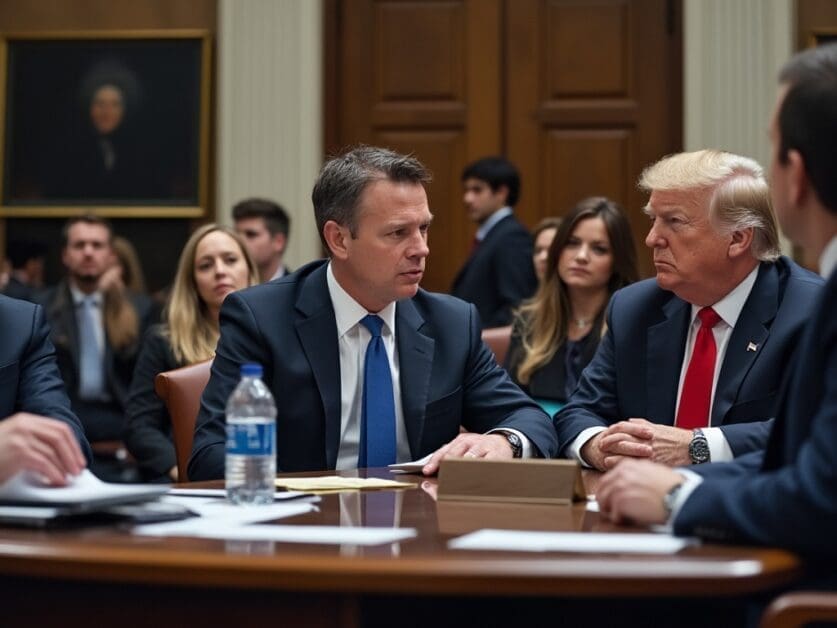
Court Decisions on President's Immunity

How did the Supreme Court’s 2024 rulings expand presidential immunity and impact federal regulatory authority?

In 2024, the Supreme Court expanded presidential immunity by shielding core official acts and limiting when prosecutors may use or probe them, while also weakening federal agencies’ rulemaking power by overruling Chevron deference. Together, these decisions shift power toward the presidency and courts and away from executive-branch regulators. This article explains the key holdings, practical

How did the Supreme Court’s 2024 rulings expand presidential immunity and impact federal regulatory authority? Read More »

Diverse Legal Team Debating Presidential Immunity and Legal Accountability

Supreme Court Decisions on Presidential Immunity: Key Legal Insights

The Supreme Court has issued 3 landmark presidential immunity rulings: Nixon v. Fitzgerald (1982), Clinton v. Jones (1997), and Trump v. United States (2024). Together, they recognize absolute immunity for official civil damages, no immunity for unofficial conduct, and a presumption of immunity for core official criminal acts. This article explains each case’s holding and

Supreme Court Decisions on Presidential Immunity: Key Legal Insights Read More »

Scroll to Top