Undue Hardship

Visitors exploring this tag will find informative resources detailing the legal concept of undue hardship, particularly in the context of bankruptcy and employment law. Content includes video interviews with attorneys and articles explaining how courts assess financial strain when determining qualifications for discharge of student loans or evaluating accommodations under the Americans with Disabilities Act. These resources are designed to provide a comprehensive understanding of how undue hardship impacts legal proceedings and decisions.

Preparation in Action: Lawyers and Clients Before a Bankruptcy Appeal

How to prepare for a successful appeal?

A successful bankruptcy appeal starts by meeting the 14-day deadline to file a notice of appeal after the bankruptcy court enters its order. Then you must build a clean record, identify appealable issues, and file a persuasive brief focused on legal errors. This article explains the bankruptcy appeals process and how to navigate it effectively. […]

How to prepare for a successful appeal? Read More »

Bankruptcy Law Mastery: Legal Professionals at Wor

Discover Key 1898 Bankruptcy Act Provisions Now

The Bankruptcy Act of 1898 established the first permanent U.S. federal bankruptcy system and remained in force until it was replaced in 1978. It standardized bankruptcy courts, trustee administration, and discharge procedures for individuals and businesses. This article summarizes the Act’s core provisions and its impact on modern bankruptcy law. The Bankruptcy Act of 1898,

Discover Key 1898 Bankruptcy Act Provisions Now Read More »

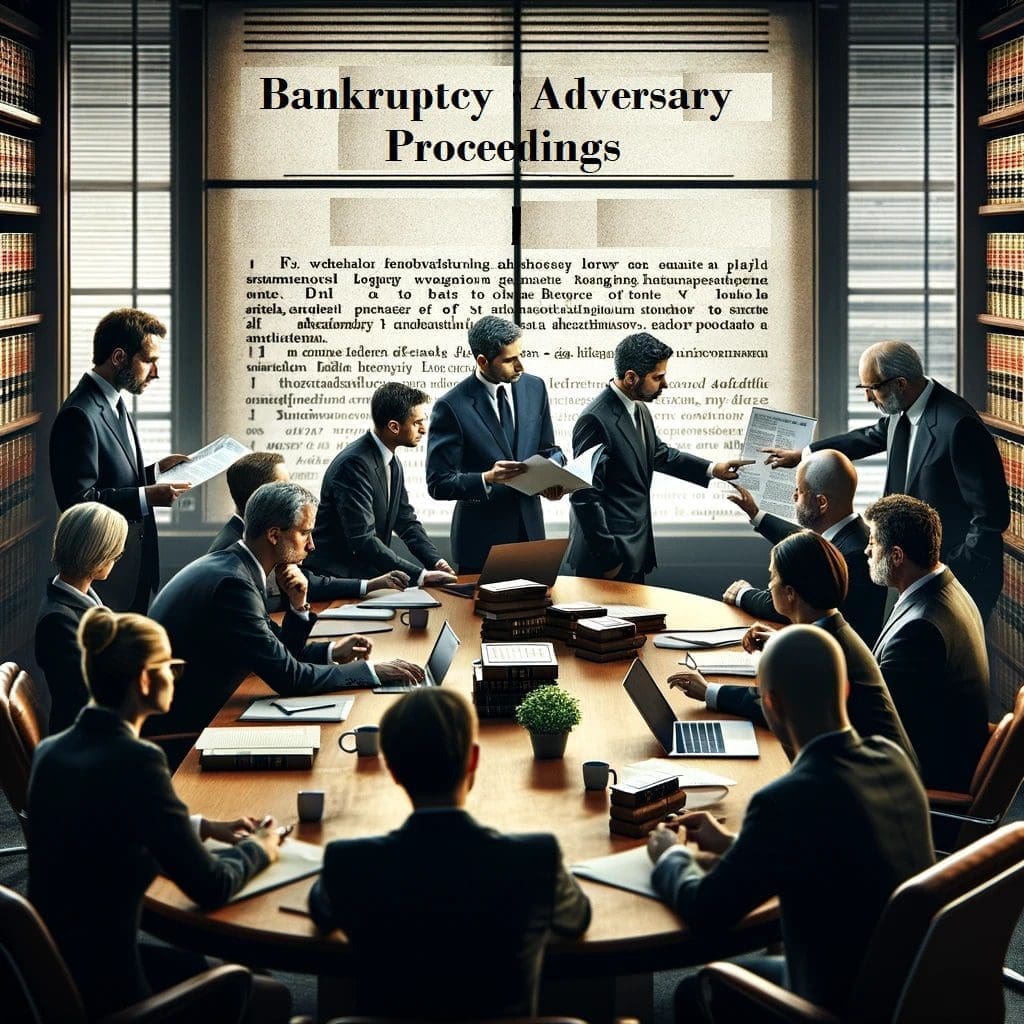
Bankruptcy Law Professionals in Action: Adversary Proceeding Strategy Meeting

Why You Need to Understand Adversary Proceedings

Bankruptcy adversary proceedings are separate lawsuits filed within a bankruptcy case to resolve disputes like debt dischargeability, lien validity, or fraud claims. They follow formal federal rules, with a complaint, service, discovery, and trial in bankruptcy court. This article explains what they are, common issues litigated, and why they matter to debtors and creditors. In

Why You Need to Understand Adversary Proceedings Read More »

From Debt to Recovery: The Impact of Bankruptcy Law - 85 Characters

Bankruptcy: Understanding Your Legal Options for Debt Relief

Bankruptcy offers two common consumer paths—Chapter 7 or Chapter 13—to stop collections and address debts through discharge or a 3–5 year repayment plan. Which option fits depends on income, assets, and the types of debts you owe. This article explains the process, legal protections, and long-term consequences so you can evaluate your debt-relief choices. Bankruptcy

Bankruptcy: Understanding Your Legal Options for Debt Relief Read More »

Scroll to Top