Unjust Enrichment

Explore insightful articles and expert video interviews discussing the legal concept of unjust enrichment, a situation where one party benefits at another’s expense without legal justification. Visitors will find resources analyzing court cases, legal definitions, and the necessary elements to establish a claim, enhancing their understanding of this important principle in contract law. This tag offers a comprehensive overview for those researching restitution claims and equitable remedies.

How to Enforce a Smart Contract Under New York Law When the Code Conflicts With the Written Agreement

How to Enforce a Smart Contract Under New York Law When the Code Conflicts With the Written Agreement

Under New York law, a smart contract is generally enforceable if it satisfies ordinary contract requirements—offer, acceptance, consideration, and mutual assent—even when performance is automated by code. Disputes arise when on-chain code executes one outcome while the parties’ written agreement states another. This article explains how New York courts are likely to analyze code-versus-text conflicts, […]

How to Enforce a Smart Contract Under New York Law When the Code Conflicts With the Written Agreement Read More »

Scales of justice weighing money and fairness

What is unjust enrichment?

Unjust enrichment occurs when someone benefits at another’s expense and keeping that benefit would be unfair under the law, even without a contract. Courts may require repayment or return of the benefit to prevent an inequitable “windfall.” This article explains the legal elements of unjust enrichment, common examples, available remedies, and key defenses. Unjust enrichment

What is unjust enrichment? Read More »

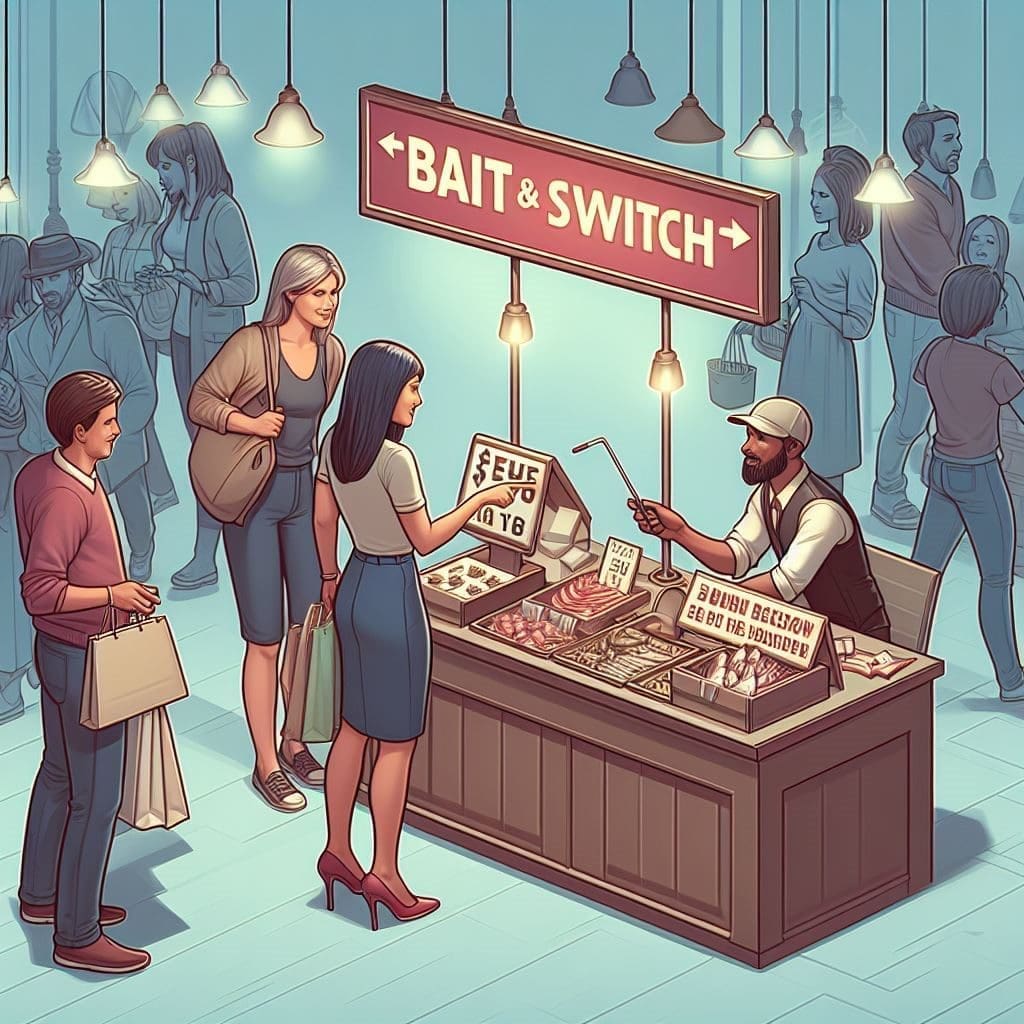
Deceptive Marketing in a Busy Marketplace: Consumer Awareness

How to Identify Bait and Switch Tactics: Consumer Protection Guide

Bait and switch is a deceptive advertising tactic where a seller promotes a low-priced offer but then pushes a higher-priced or unavailable substitute. It can violate federal and state consumer protection laws and may trigger refunds, damages, or enforcement actions. This guide explains red flags, legal consequences, and steps to protect yourself and report misconduct.

How to Identify Bait and Switch Tactics: Consumer Protection Guide Read More »

Scroll to Top