What to Expect During Truck Injury Investigations
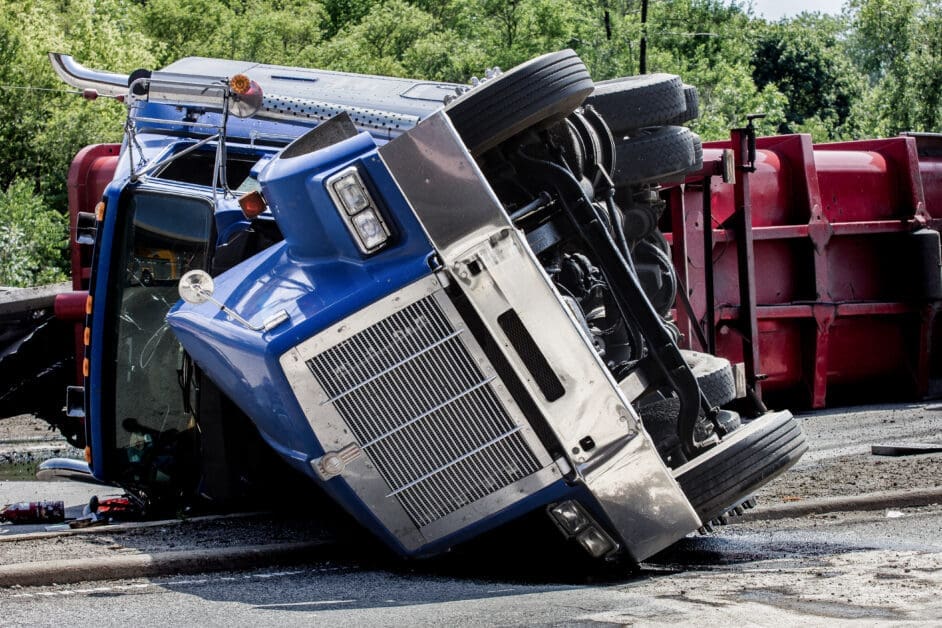
Charlottesville is a city defined by its historic character and academic energy. When a tractor-trailer collision disrupts the peace of our community, the transition from the initial shock to a formal legal claim requires a meticulous understanding of the state and federal protocols in play. Navigating what to expect in truck injury investigations is a practical necessity for anyone seeking to secure their future after such a devastating event. This complex process involves a deep dive into electronic logging data and mechanical forensics to uncover the true cause of the wreck.
Advocates at MartinWren provide the sophisticated oversight needed to ensure that no critical evidence is lost or manipulated by trucking corporations. By securing a comprehensive evaluation early, you protect your right to a resolution that accounts for the full extent of your losses.
Initial Response and Scene Assessment
The arrival of authorities is always the first step in any truck accident investigation. To prevent any further damage, police, emergency responders, and sometimes safety inspectors start by isolating the area. As they gather initial information about the crash, they check on the condition of everyone involved. Evidence such as pictures, witness testimony, and physical evidence is obtained and preserved to capture the aftermath as closely as possible to the moment.
Gathering Evidence
Investigating the case is among the most crucial stages — but it all starts with evidence. Examiners frequently examine damage to the motor vehicle, tire markings, and traffic conditions to determine how an accident unfolded. They might record measurements, observe weather patterns, and analyze nearby traffic signals or signage. Kobayashi: All this physical evidence, in itself, tells us a story; it paints a picture of how this incident actually happened.
Driver and Witness Interviews
Talking to motorists, passengers, and bystanders is a way to gather information about what happened. Investigators ask lots of questions to memorialize each person’s story. Interviews help clarify certain actions, both leading up to and after the fact, as well as potential contributing factors. Strong testimonies, where the stories are consistent, only serve to bolster the investigation, but conflicting elements have to be critically examined.
Inspection of Truck and Equipment
That means the truck itself needs to be thoroughly examined. Merchants inspect mechanical failure, broken brakes, or any other factors that could have contributed to the accident. Inspection of maintenance logs and repair records to see if the vehicle was properly maintained. It also assesses load distribution and cargo securement to ensure compliance with safety regulations.
Driving Records and Logs
The driver’s history may include hours-of-service logs or prior similar infractions. Investigators usually may request this information. This can often reveal trends or violations that may have contributed to the incident. This thorough review of the case could reveal anything from fatigue to distraction to inadequate training. Everything is reviewed to determine whether any rules were complied with before the crash.
Consultation with Experts
Occasionally, specialists such as accident reconstructionists or mechanical engineers become involved in the investigation. These individuals apply their skills to share the evidence and provide insight into different causes. Their analytical results usually corroborate physical evidence and witness testimony. The reports authored by investigators are intended to be accurate and unbiased, and expert consultation helps achieve this.
Insurance and Legal Involvement
Insurance adjusters and attorneys are often the first to be involved following a truck accident. They include evaluating liability and calculating compensation for injury or property damage. These parties may receive investigative outputs to settle claims on their end. This phase requires transparency and thoroughness to ensure a fair process for those participating.
Reporting and Conclusions
The investigative report includes all the evidence, interviews, and the input and conclusions of any experts involved in the investigation. Here is the overview of the sequence of events, possible causes, and recommendations to avoid similar events in the future. These findings can help authorities enforce regulations, allocate blame, or propose policy changes. Over the last week, though, this report has been full of clarity and detail, ensuring that everyone can see what happened and why.
What Individuals Can Do
To investigate, those involved can be valuable by providing truthful accounts and preserving all personal evidence. Maintaining medical records, keeping a journal, and taking photographs can all help support the investigation. One of the best ways to speed up the process and ensure accuracy is to cooperate with investigators. Keeping informed and questioning can also instill confidence during the investigation.
Conclusion
Truck injury investigations involve a methodical process to uncover the facts and establish liability. From evidence collection to expert consultation, each step leads to a dependable result. Knowing what to expect can help people to support the process and feel reassured in difficult times. Thorough investigations ultimately lead to safer roads and less fear amongst the public.