Blog

Rights As Pregnant Employee Discussed by Team in Bright Office Workplace Setting

What Are My Rights As A Pregnant Employee?

Pregnant employees are protected from discrimination and may have the right to workplace accommodations and job-protected leave under federal and state law. Key protections can include the Pregnancy Discrimination Act, the Americans with Disabilities Act, the Pregnant Workers Fairness Act, and the FMLA, depending on your situation and employer size. This article explains your rights […]
Read More
State Cybercrime Law Differences Explored by Legal and Tech Pros in Office Meeting

How Do Cybercrime Laws Vary By State?

Cybercrime laws vary widely by state, with different definitions, penalties, and reporting obligations for offenses like hacking, identity theft, and data breaches. Some states impose felony liability for first-time unauthorized access, while others scale punishment based on intent, loss amount, or number of victims. This article explains key state-by-state differences, common charges, jurisdiction issues, and […]
Read More
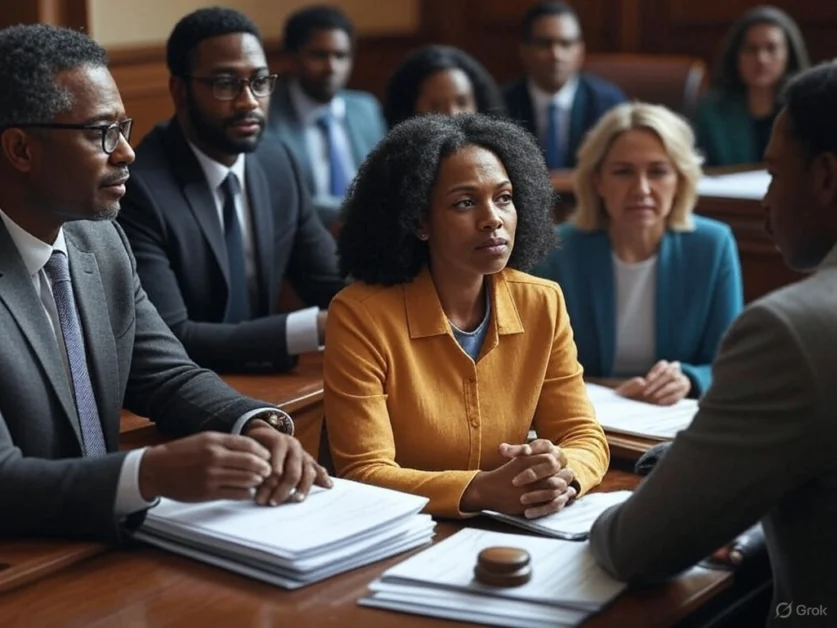
Ethics Impact Legal Decisions As Lawyers and Judges Engage in Modern Courtroom Talk

How Do Legal Ethics Influence Legal Practice and Decisions?

Legal ethics shape legal practice by setting enforceable professional rules that govern confidentiality, conflicts of interest, competence, and candor to courts—violations can lead to discipline, sanctions, or disbarment. These standards guide day-to-day decisions, protect clients, and preserve public trust in the justice system. This article explains key ethics duties, how they affect strategy and courtroom […]
Read More
Book Ban Legal Approach Shown by Educators and Lawyers in Modern Courtroom Discussion

How Do Legal Systems Approach Book Bans in Educational Settings?

In the U.S., book bans in schools are typically evaluated under the First Amendment, but courts often allow K–12 officials more discretion than colleges when decisions are tied to legitimate educational concerns. These disputes commonly hinge on whether removals are viewpoint-based censorship or reasonable curriculum and age-appropriateness judgments under state and district policies. This article […]
Read More
What to Expect from Online Legal Advice with Lawyer and Client in Tech Office Scene

What Should I Expect From An Online Legal Advice Session?

In an online legal advice session, expect a confidential video or phone meeting where you explain your issue, receive an initial legal assessment, and leave with clear next steps—typically in about 15–60 minutes. You’ll usually share key documents beforehand, answer targeted questions, and discuss likely outcomes, timelines, and costs. This article explains how to prepare, […]
Read More
Legal Issues for Ai in Copyright Tackled with Lawyer and Ai Rep in Courtroom Setting

What Legal Challenges Face AI in Copyright Law?

AI copyright disputes most often turn on whether training on copyrighted works is fair use and whether AI-generated output qualifies for copyright—currently, U.S. Copyright Office guidance requires human authorship. Courts and regulators are actively shaping rules on data scraping, licensing, attribution, and liability for infringing outputs. This article explains the key legal challenges for developers […]
Read More
Doge Foia Ruling Brings Clarity As Judge and Rep Shake Hands in Modern Courtroom Win

Federal Judge Orders DOGE to Comply with FOIA Requests Amid Transparency Concerns

On March 10, 2025, U.S. District Judge Christopher Cooper ordered the Department of Government Efficiency (DOGE) to comply with FOIA requests in a 37-page ruling. The decision rejects DOGE’s long-running operational secrecy and reinforces public access to federal records. This article explains the ruling, its transparency implications, and what it means for FOIA requesters. The […]
Read More
Recent Supreme Court Decisions Enhance Rights in Grand Court with Cheerful Handshakes

How Do Recent Supreme Court Decisions Impact Legal Rights?

Recent Supreme Court decisions impact legal rights by changing binding precedent in 100% of U.S. jurisdictions—federal and state. These rulings can expand or restrict rights and reshape how lower courts apply the Constitution to issues like abortion, firearms, agency authority, and free speech. This article summarizes the key decisions, practical effects, and what they mean […]
Read More
Financial Fraud Fought with Joyful Legal Win in Modern Courtroom by Lawyer and Judge

What Legal Actions Can Be Taken Against Financial Fraud?

Victims of financial fraud can pursue civil lawsuits to recover losses, report the conduct to law enforcement, and seek regulatory enforcement, depending on the facts and jurisdiction. Common remedies include compensatory damages, rescission, injunctions, asset freezes, and sometimes punitive damages, alongside criminal charges such as wire fraud or securities fraud. This article explains your legal […]
Read More
Swift Legal Drama Resolved with Cheerful Lawyer and Judge in Bright Courtroom Setting

How Does the Law Address the Legal Drama Surrounding Taylor Swift?

U.S. law addresses Taylor Swift’s legal drama mainly through copyright and trademark rules, and federal courts have heard multiple disputes tied to her music and brand. Her high-profile re-recording strategy shows how artists can lawfully regain leverage when they own new masters while honoring existing composition rights. This article explains the core legal issues, typical […]
Read More
Slip and Fall Lawyer Aid in Negligence Cases Today

How Can a Slip and Fall Lawyer Help Prove the Property Owner’s Negligence in My Case?

A slip and fall lawyer can prove negligence by establishing the four elements of premises liability: duty, breach, causation, and damages. They collect surveillance video, incident reports, witness statements, and maintenance records to show the owner knew or should have known about the hazard. This article explains the evidence and legal strategies used to secure […]
Read More
from Investigation to Formal Indictment

Indictment Process: From Investigation to Formal Charges

An indictment is a formal criminal charge approved by a grand jury, typically requiring agreement from at least 12 of 23 jurors in federal cases. Prosecutors present evidence to show probable cause, and the accused usually has limited ability to participate at this stage. This article explains the steps from investigation through grand jury proceedings […]
Read More
Scroll to Top