Explore a comprehensive collection of resources dedicated to civil rights law, featuring insightful articles, expert video interviews with attorneys, and clear legal glossary definitions. Visitors will find in-depth discussions on essential civil rights issues, including discrimination, freedom of speech, and equal protection under the law. Stay informed and understand your rights with our authoritative content tailored for individuals seeking legal information and guidance.
September 9, 2026•Published with permission from Kent | Pincin Law FirmCalifornia, Wisconsin, and Nebraska
Emails get deleted. Memories fade. And what was said during a reporting conversation can be disputed months later. If you’re dealing with supervisor harassment in California, a record written close to the time of each incident preserves what happened, even though that record alone can’t decide whether the conduct legally qualifies as harassment. What California […]
This federal fair housing case could affect tenant screening rules for 44 million U.S. renter households. It challenges whether common rental application and background-check practices unlawfully discriminate under the Fair Housing Act. This article explains the case, what landlords may need to change, and what renters should watch for. A Landmark Case That Could Change […]
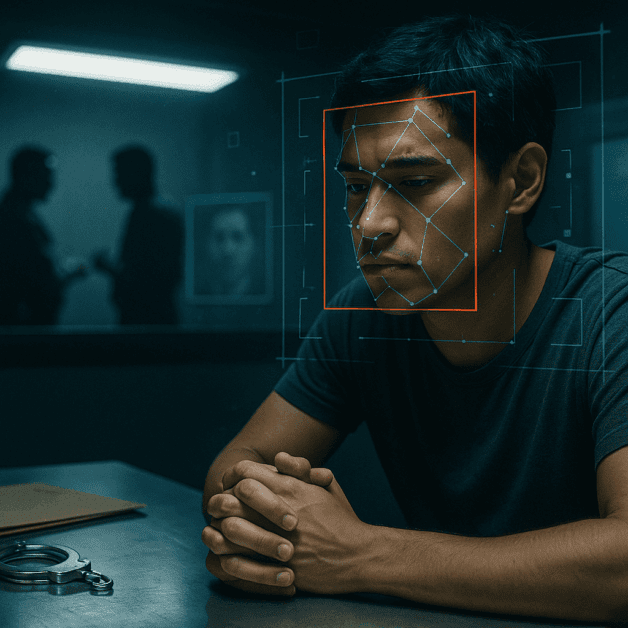
AI misidentification can lead to arrest, charges, and months or years of fallout even if you’re innocent. These errors often come from flawed facial recognition, bad data, or biased algorithms that investigators may overtrust. This article explains the risks, your legal rights, and how to fight an AI-driven false accusation. When Technology Gets It Wrong […]
Yes—AI hiring tools can violate anti-discrimination laws even without human intent, and lawsuits and EEOC scrutiny are rising nationwide. Resume screeners, video analysis, and scoring algorithms may disproportionately exclude protected groups. This article explains common AI hiring systems, warning signs, and steps to preserve evidence and evaluate a legal claim. When a Computer Says No: […]
In most states, you can legally record police in public as long as you don’t interfere with their duties, though specific consent and wiretapping rules vary by state. Courts have widely recognized a First Amendment right to film officers performing official actions, but some states restrict audio recording or impose limits in private settings. This […]
If you’re falsely accused, your first call should be to a criminal defense lawyer—before answering a single police question. Early counsel helps you invoke your rights, avoid self-incrimination, and start preserving evidence and witnesses. This article covers what to do in the first hours, how to handle police contact, and mistakes to avoid. When False […]
The new federal standard strengthens how workers can prove AI workplace discrimination under Title VII by tying biased AI decisions to employer liability. EEOC and related federal guidance emphasize disparate impact evidence, validation, and reasonable accommodations when automated tools screen or evaluate employees. This article explains what changed, what evidence matters, and how employees and […]
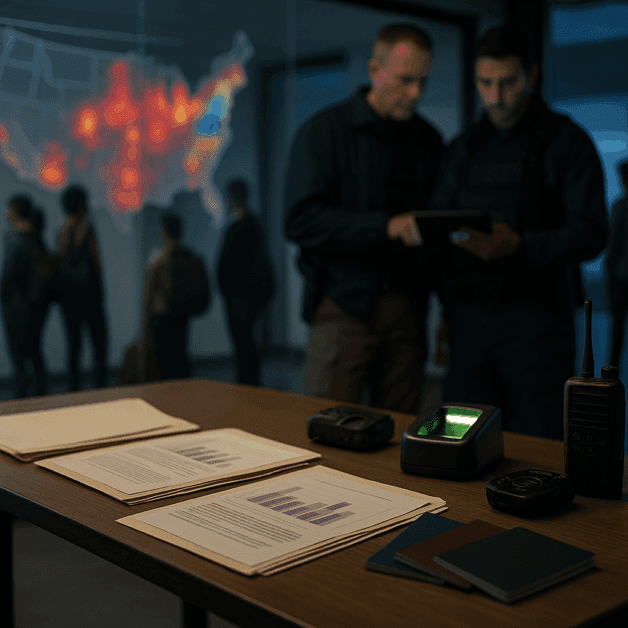
ICE’s 2026 enforcement surge significantly increased arrests and removals, with the sharpest impact concentrated in a handful of jurisdictions and among people with prior criminal convictions as well as long-time residents with no recent offenses. The numbers show a widening gap between stated public-safety priorities and on-the-ground outcomes. This article breaks down the key data, […]
Employment discrimination lawyers help employees enforce workplace rights, pursue compensation, and stop unlawful treatment under federal and state laws. They assess whether conduct violates rules like Title VII, the ADA, or the ADEA, then build evidence and handle negotiations or litigation. This article explains what these attorneys do—from case evaluation and filing deadlines to agency […]
Expert witness evidence can determine the outcome in immigration court by providing specialized, objective reports and testimony on country conditions and persecution risk. Because judges cannot independently investigate an applicant’s home country, well-qualified experts help corroborate claims and explain complex facts. This article covers why expert evidence is persuasive, how it’s used, and what makes […]
In most U.S. states, fathers have the same legal standing as mothers in child custody cases, and courts decide custody using the child’s best interests standard. Fathers can strengthen their case with a documented parenting history, a workable parenting plan, and evidence supporting stability and safety. This article explains the legal foundations, practical steps, and […]
Racial profiling is when police or other authorities target someone for stops, searches, questioning, or surveillance primarily because of their race, ethnicity, or national origin rather than specific evidence. It can occur during traffic stops, airport screening, border enforcement, and everyday policing, and may violate constitutional and civil rights laws depending on the facts. This […]