Criminal Justice
<a href="https://attorneys.media"><img class="aligncenter size-full wp-image-32437" src="http://attorneys.media/wp-content/uploads/2023/12/Criminal-Justice.jpg" alt="Inside the Courtroom: A Glimpse into the Criminal Justice Process" width="1024" height="1024" /></a>
<h4><strong>Criminal Justice: A Comprehensive Legal Guide</strong></h4>
The <strong>criminal justice</strong> system represents a complex network of legal institutions and processes aimed at maintaining social control, deterring crime, and sanctioning those who violate laws with criminal penalties and rehabilitation efforts. Understanding this system is crucial for anyone involved in legal matters or interested in criminal law.
At the heart of criminal justice is the principle of fairness. The system is designed to ensure that justice is served while respecting the rights of the accused. This involves a meticulous legal process, from investigation and arrest to trial and sentencing.
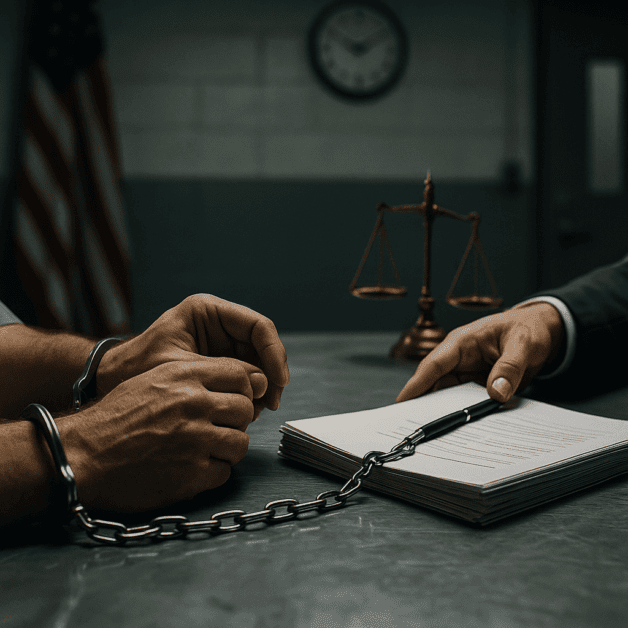
A key component of criminal justice is the legal representation of the accused. The right to an attorney is fundamental, ensuring that individuals have access to legal advice and advocacy. Criminal defense attorneys play a vital role in the system, representing their clients' interests and ensuring that their rights are protected.
The prosecution, on the other hand, represents the state or community in bringing charges against the accused. Their role is to prove beyond a reasonable doubt that the accused committed the crime. This process is critical in ensuring that justice is served while upholding the rights of the accused.
Another critical aspect is the trial process. Trials in the criminal justice system are designed to be fair and impartial, with a jury of peers or a judge determining the guilt or innocence of the accused based on the evidence presented.
In conclusion, the criminal justice system is a cornerstone of a democratic society, ensuring that laws are upheld and rights are protected. Whether you are a legal professional, a student, or simply someone interested in the law, understanding this system is essential for navigating legal challenges and contributing to a just society.
Moreover, the criminal justice system includes various stages, each with its own legal significance. The investigation process, often involving law enforcement agencies, is the first step in determining whether a crime has been committed. Following this, the arrest and charging process initiates formal legal proceedings.
The role of the judiciary in criminal justice cannot be overstated. Judges oversee the legal process, ensuring that the law is applied fairly and consistently. They make crucial decisions regarding bail, trial proceedings, and sentencing, among other aspects.
Sentencing in criminal justice serves multiple purposes: punishment, deterrence, rehabilitation, and restitution. The nature of the sentence often depends on the severity of the crime, the defendant's criminal history, and the circumstances of the case.
Lastly, the correctional system plays a role in the rehabilitation of offenders. It includes incarceration, probation, and parole, each aimed at reintegrating individuals into society as law-abiding citizens.
In summary, the criminal justice system is a multifaceted and dynamic entity, central to the functioning of the legal system and the maintenance of social order.
86 posts