Court Procedures

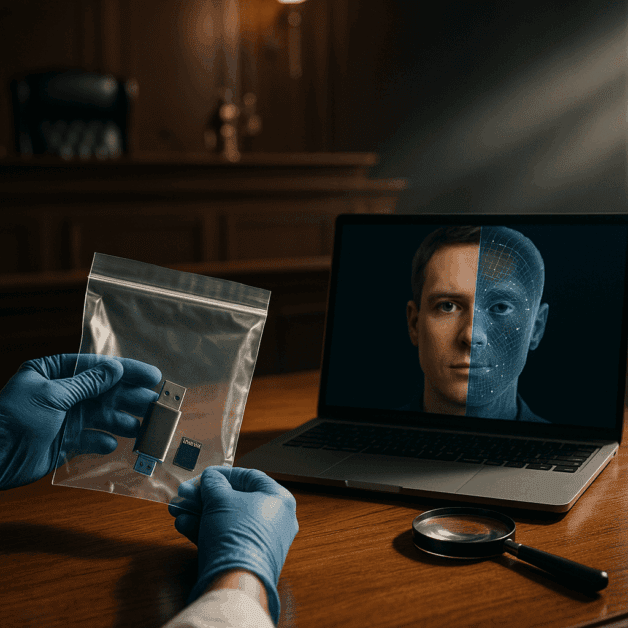
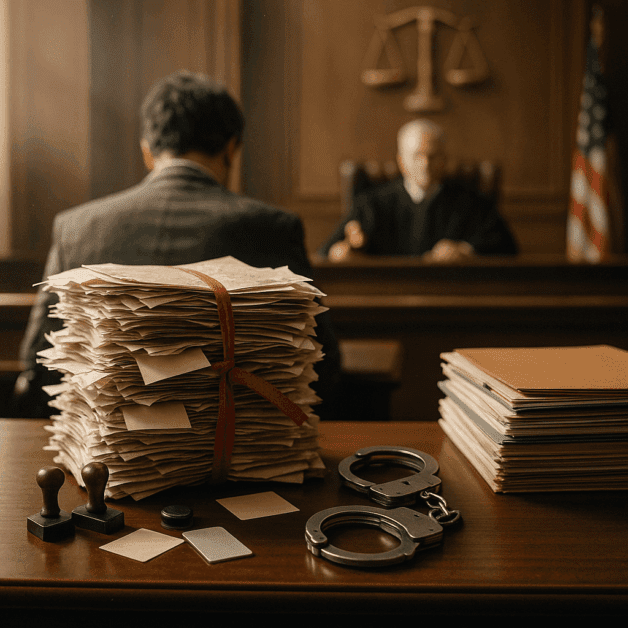
<h4><a href="https://attorneys.media"><img class="aligncenter size-full wp-image-32430" src="http://attorneys.media/wp-content/uploads/2023/12/Court-Procedures.jpg" alt="Inside the Courtroom: Capturing the Essence of Court Procedures" width="1024" height="1024" /></a></h4> <h4>Navigating the Intricacies of Court Procedures: A Detailed Overview</h4>   <strong>Court procedures</strong> are the backbone of the legal system, guiding how legal cases are handled from initiation to resolution. Understanding these procedures is crucial for anyone involved in legal matters, be it as a plaintiff, a defendant, or a legal professional. The first step in any legal proceeding is filing the case, which involves preparing and submitting legal documents to the court. This step sets the stage for the entire process and requires attention to detail to ensure all legal requirements are met. Once a case is filed, the court will schedule various hearings and proceedings. These may include preliminary hearings, pre-trial conferences, and, if necessary, a trial. Each of these stages has its unique purpose and requirements, from determining the merits of the case to discussing legal strategies. One of the most critical aspects of court procedures is adhering to courtroom etiquette. This includes proper dress code, respectful behavior towards the judge and court staff, and following courtroom protocol. Understanding and respecting courtroom etiquette can significantly impact the perception of your case. Preparation for court appearances is also vital. This involves reviewing your case, understanding the relevant laws, and consulting with your attorney. Being well-prepared can help you present your case effectively and respond to legal challenges. If the case proceeds to trial, understanding the trial process is essential. Trials typically involve opening statements, the presentation of evidence, witness testimonies, cross-examinations, and closing arguments. Each stage requires strategic planning and a deep understanding of legal principles. After the trial, the judge or jury will deliberate and reach a verdict. Depending on the outcome, there may be additional steps, such as sentencing in criminal cases or awarding damages in civil cases. Post-trial procedures are also an integral part of court processes. These can include filing appeals, enforcing judgments, or negotiating settlements. Understanding your options after a trial can help you make informed decisions about the next steps in your legal journey. In conclusion, court procedures are a complex but essential aspect of the legal system. Understanding these procedures, from filing a case to post-trial steps, is crucial for effectively navigating legal challenges. With the right knowledge and preparation, individuals can confidently approach their legal matters.

463 posts
A Guide to Landlord Eviction Legal Support

A Guide to Landlord Eviction Legal Support

Some landlords face difficulties with renters who will not leave or who breach their leases. It can be daunting just figuring out the legal proceedings involved in settling these disputes. Excellent legal assistance helps explain things and is a comprehensive source of steady reassurance. The following guide discusses key components of eviction legal support for […]
Read More
How Expert Testimony Influences Medical Malpractice Lawsuits

How Expert Testimony Influences Medical Malpractice Lawsuits

Expert testimony plays a critical role in medical malpractice lawsuits by helping courts understand complex medical issues and determine whether a healthcare provider acted negligently. In many cases, the outcome depends heavily on how clearly and convincingly an expert explains what went wrong and why it matters. When patients consider filing a medical negligence claim, […]
Read More
How California’s Pretrial Release System Affects Defendants Awaiting Trial

How California’s Pretrial Release System Affects Defendants Awaiting Trial

Being arrested and booked into a California jail triggers a series of legal decisions that can dramatically affect a defendant’s life — often before any trial takes place. For individuals facing criminal charges in San Diego County and across the state, understanding how pretrial release works is essential. California has moved substantially toward a system […]
Read More
Reasons Someone Can Be Excused from Jury Duty

Reasons Someone Can Be Excused from Jury Duty

Being called for jury duty can feel like an obligation you can’t skip, but there are legitimate reasons someone can be excused. Courts recognize that not everyone is able to serve due to personal, professional, or medical circumstances. Common excuses include serious health issues, full-time student status, financial hardship, or pre-existing travel plans. Sometimes, conflicts […]
Read More
Understanding the Role of Law Firms in Modern Legal Systems

Understanding the Role of Law Firms in Modern Legal Systems

The legal system may be daunting. Courts, agreements, laws, and negotiation, it is a world full of terminologies and processes that people never get to experience until they have something to lose. That’s where law firms step in. They are organized groups of lawyers, who assist individuals, families, and businesses to sail through complicated legal […]
Read More
From Dispute to Decision: How Child Custody Cases Move Through Courts

From Dispute to Decision: How Child Custody Cases Move Through Courts

Child custody disputes are resolved through a structured legal process guided by established court procedures and the best interests of the child standard. Judges rely on formal filings, documented evidence, and clearly presented facts when determining parental responsibility and timesharing arrangements. A custody case progresses through defined stages before a final order is issued. Many […]
Read More
Legal Precedent: How Past Cases Shape Today's Laws

Legal Precedent: How Past Cases Shape Today's Laws

Legal precedent shapes modern law through binding court decisions that guide future cases. From constitutional rights to mass casualty legal precedents, past rulings create consistency in our judicial system. Understanding legal precedent impact helps citizens grasp how yesterday's decisions affect today's justice.
Read More
Common Defenses to Solicitation Charges in Texas Courts

Common Defenses to Solicitation Charges in Texas Courts

In Texas courts, common defenses to solicitation charges usually focus on showing there was no real intent, no clear agreement, weak evidence, police entrapment, mistaken identity, or unlawful police conduct. The prosecutor has to prove every single part of the crime beyond a reasonable doubt, and if even one piece does not fit right, the […]
Read More
Steps to Take if You Need to Be Excused from Jury Duty

Steps to Take if You Need to Be Excused from Jury Duty

Receiving a jury summons often brings a mix of civic pride and sudden logistical panic. If your current life situation makes it impossible to serve, you must follow specific legal protocols to request an excuse from the court system. People look for ways to get out of jury duty when they face genuine hardships like […]
Read More
Judicial Misconduct: Types, Standards, and Consequences

Judicial Misconduct: Types, Standards, and Consequences

Judicial misconduct occurs when judges violate ethical standards through bias, improper communications, or abuse of power. Understanding types of misconduct helps citizens recognize violations and pursue judicial misconduct appeals. Learn about legal standards governing judges and consequences for misconduct.
Read More
1 2 3 39
Scroll to Top