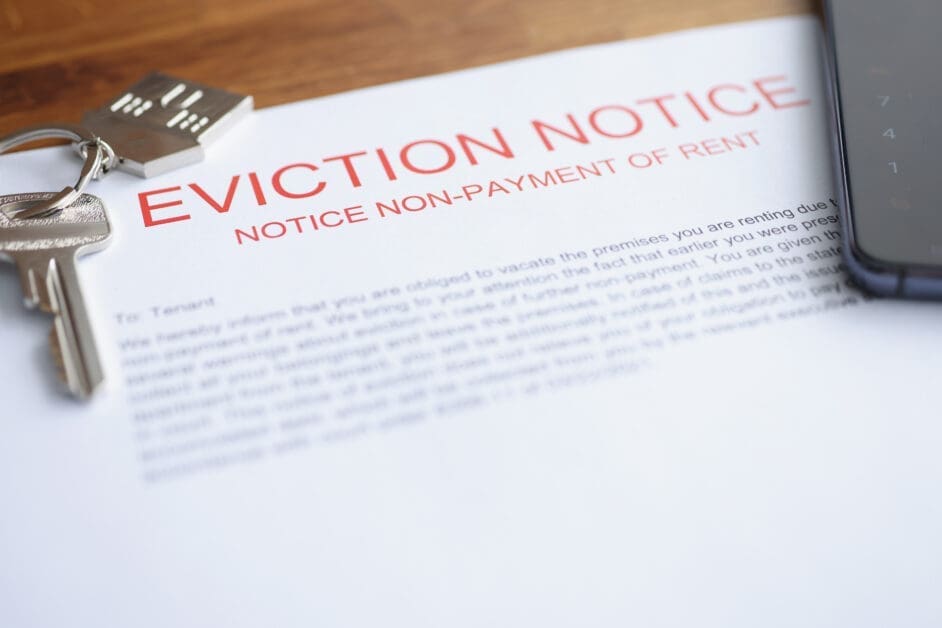
Explore a comprehensive collection of resources focused on landlord and tenant law, where visitors can access in-depth articles, informative video interviews with experienced attorneys, and clear legal glossary definitions. This category provides essential insights into tenant rights, eviction processes, lease agreements, and property management issues, empowering both landlords and tenants to navigate their legal obligations effectively. Stay informed about the latest developments in housing law and find the guidance you need to resolve disputes and protect your rights.
Landlords usually must give a written eviction notice and then file an unlawful detainer in court before a sheriff can remove a tenant. A landlord-tenant lawyer ensures the notice, service, and filings meet local statutes and court deadlines to avoid dismissal. This article covers when to hire counsel, required steps, timelines, and key documents. Some […]
A well-structured residential lease agreement reduces rental disputes by clearly defining 5 core areas: rent, repairs, deposits, notices, and rules. Clear written terms prevent misunderstandings that often start as small assumptions and grow into conflicts at move-out or during maintenance issues. This article explains which clauses matter most and how they help landlords and tenants […]
Tenancy in common is a way for two or more people to own the same property with separate, potentially unequal shares, each of which can be sold or inherited. Unlike joint tenancy, it doesn’t include a right of survivorship, so an owner’s share typically passes through their estate. This article explains how tenancy in common […]
October 18, 2025•By Attorneys.Media Editorial Staff
Knowing your legal remedies for abandonment is important because it can determine how quickly you can secure safety, financial support, and custody or housing rights through court orders and deadlines. Abandonment can affect families, tenants, and caregivers differently depending on state law and the facts of the situation. This article explains what legally counts as […]
October 16, 2025•By Attorneys.Media Editorial Staff
Landlords can often start recovering unpaid rent in as little as 3–30 days by serving the required pay-or-quit notice and filing an eviction case where allowed. Many also pursue a separate money judgment, wage garnishment, or collections to recover back rent after move-out. This article explains the legal steps, timelines, and strategies to maximize recovery […]
October 6, 2025•By Attorneys.Media Editorial Staff
Squatters can have legal protection because many states recognize “adverse possession,” allowing an occupier to gain ownership after openly and continuously possessing property for a statutory period—often 5 to 20 years—while meeting strict requirements. These laws evolved to promote productive land use and require owners to act promptly to enforce their rights, alongside due-process limits […]
Most lease disputes stem from unclear terms, missing required disclosures, and inconsistent enforcement. Tight definitions, up-to-date state-specific compliance language, and precise procedures for rent, repairs, and notices reduce risk for both sides. This article covers common lease drafting mistakes and practical ways to avoid them. It may seem easy to write a lease agreement, but […]
August 30, 2025•By Attorneys.Media Editorial Staff
Premises liability claims can compensate injured lawful visitors for medical bills, lost wages, and pain and suffering when unsafe property conditions cause harm. Liability typically depends on the owner’s duty of reasonable care, notice of the hazard, and failure to fix or warn. This guide explains visitor status, proof elements, defenses, and what to expect […]
August 14, 2025•By Attorneys.Media Editorial Staff
Most commercial tenants can negotiate 5–15% in effective savings by improving rent escalations, renewal options, and operating expense caps. Strong results come from market comps, clear use/assignment rights, and attorney-reviewed liability, maintenance, and default clauses. This guide covers strategy, key terms, and legal protections for business property agreements. Business owners frequently ask, “What are the […]
August 10, 2025•By Attorneys.Media Editorial Staff
Most fence disputes between neighbors are resolved by confirming the legal boundary through a survey and applying local fence, easement, and setback rules—often without going to court. Clear documentation, calm communication, and early use of mediation can prevent costly litigation and long-term neighborhood conflict. This article explains how to verify property lines, understand common legal […]
The most effective way to prevent property line disputes is to commission a licensed boundary survey and record any boundary agreement before building fences or improvements. Clear, documented boundaries reduce costly conflict and preserve neighbor relationships. This article covers surveys, title/deed review, written agreements, notice practices, and when to consult counsel. Property owners frequently ask, […]
Landlord responsibilities tenant rights are governed by at least 3 layers of law—federal, state, and local—requiring safe, habitable housing and lawful eviction procedures. Landlords must meet minimum habitability standards and comply with fair housing and due process rules, while tenants must follow lease terms and pay rent. This article explains the constitutional protections, key statutes, […]