
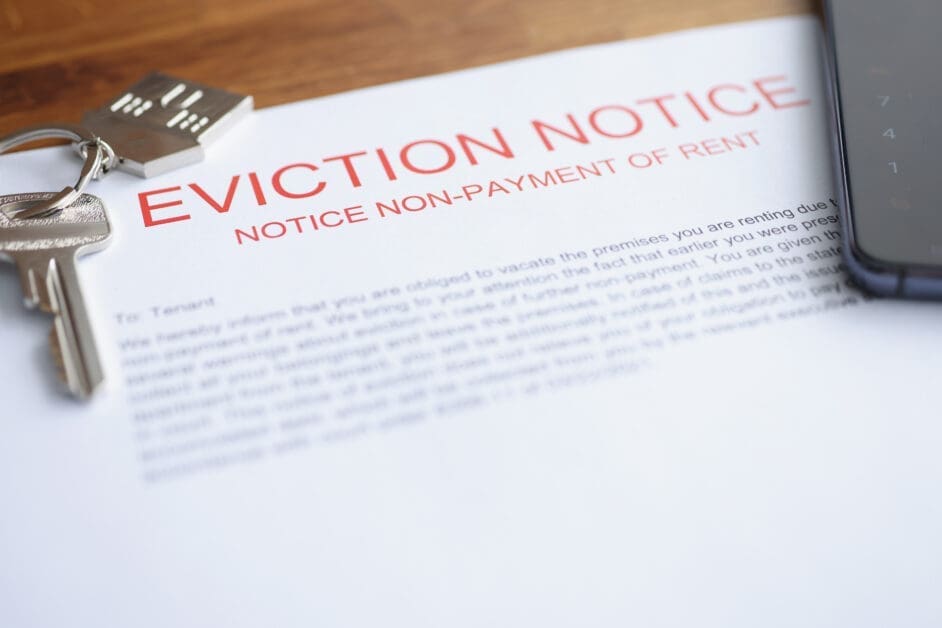
A Guide to Landlord Eviction Legal Support
Landlords usually must give a written eviction notice and then file an unlawful detainer in court before a sheriff can remove a tenant. A landlord-tenant lawyer ensures the notice, service, and filings meet local statutes and court deadlines to avoid dismissal. This article covers when to hire counsel, required steps, timelines, and key documents.
Some landlords face difficulties with renters who will not leave or who breach their leases. It can be daunting just figuring out the legal proceedings involved in settling these disputes. Excellent legal assistance helps explain things and is a comprehensive source of steady reassurance. The following guide discusses key components of eviction legal support for landowners.
Knowing When to Seek a Lawyer
For landlords, the warning signs of tenant trouble are typically much sooner, with things like habitual late payments and damage to rental property. Taking immediate action can prevent a snowball effect. Consulting legal experts for each step helps ensure compliance with the law. Prompt action often leads to smoother resolutions and fewer misunderstandings. Working with a Los Angeles landlord eviction attorney provides landlords with a clear guide to eviction legal support under local housing rules.
Legal Grounds for Eviction
Tenants are not evicted from properties without legitimate cause. These may include failure to pay rent, rule violations on the lease, or illegal acts occurring on or in the property. The valid reasons for evicting a tenant may vary by region. Getting some form of legal advice can reduce the chances of unnecessary delays and penalties.
Preparing Documentation
Great documentation is the key to winning an eviction lawsuit. Copies of the lease, payment history, and written communications support lawsuits. Well-organized documentation helps legal advisors build a strong case. Proper records also showcase professionalism and equity.
Serving Proper Notices
Property owners must provide proper notices before initiating formal proceedings. Notice types belong to a special class, such as a five-day notice type for past-due rents, a three-day notice type for violations, etc. Attorneys help landlords identify the correct notice to use in each instance. The delivery of these documents must be timely and accurate in order for compliance to occur.
Initiating Legal Proceedings
In cases where informal resolutions do not work, landlords may have to file a case in the local court. This assures that each step obeys the rules of the jurisdiction, so legal support is necessary. Preparing for trial means collecting evidence and possibly finding witnesses to testify. Having someone who is professional can change the course of everything.
Responding to Tenant Defenses
Eviction is not a judicial sentence; tenants can challenge eviction in court. Some common defenses include improper notice, where the tenant either gives notice in bad form (such as verbally) or does not give notice at all, and complaints about the property, including a few complaints about living conditions. Legal consultants assist landlords in facing these challenges with facts and arguments.
Attending Court Hearings
Preparation and confidence are key in court. Having someone else speak for you can ease the lord’s nerves at a tribunal, as they will know their case is being presented well. Judges like short statements and documentation. How someone treats his or her spouse and what is said can make a difference in the outcome.
Enforcing Judgments
Even when a judge rules for the landlord, enforcement may be necessary. The final steps involve legal professionals guiding property owners, whether by coordinating with local authorities regarding the sale or otherwise. Correct implementation of the judgment helps prevent future disputes or misunderstandings.
Avoiding Costly Mistakes
Unless an eviction is legal, it can lead to delays or even consequences. With legal support, landlords can steer clear of common traps like doing things incorrectly in writing or missing a deadline. Professional guidance minimizes the chances of making expensive mistakes, and your house property remains protected.
Staying Updated with Regulations
Rental laws are constantly changing, and landlords need to be aware of them. Lawyers update on new regulations impacting eviction processes. Staying informed about these changes helps prevent unintentional violations and supports the long-term management of the property.
Preventing Future Disputes
Effective rental agreements and open communication with tenants can eliminate many disputes to begin with. Legal experts frequently encourage landlords to review their lease provisions as well as property policies. Proactive approaches encourage respect for relationships and reduce the necessity of formal action.
Conclusion
When landlords seek legal help, it simplifies the eviction process. Focus on competent counsel for compliance and safeguarding property. Property owners can tackle challenges with confidence and professionalism by staying organized and informed. Obtaining legal assistance facilitates the prompt resolution of issues and significantly contributes to the success of property management.














