<a href="https://attorneys.media"><img class="aligncenter size-full wp-image-32427" src="http://attorneys.media/wp-content/uploads/2023/12/Bail-Bond.jpg" alt="A Realistic View of the Bail Bond System: Legal Professionals at Work" width="1024" height="1024" /></a>
<h4>The Bail Bond System: Understanding Its Mechanics and Legal Implications</h4>
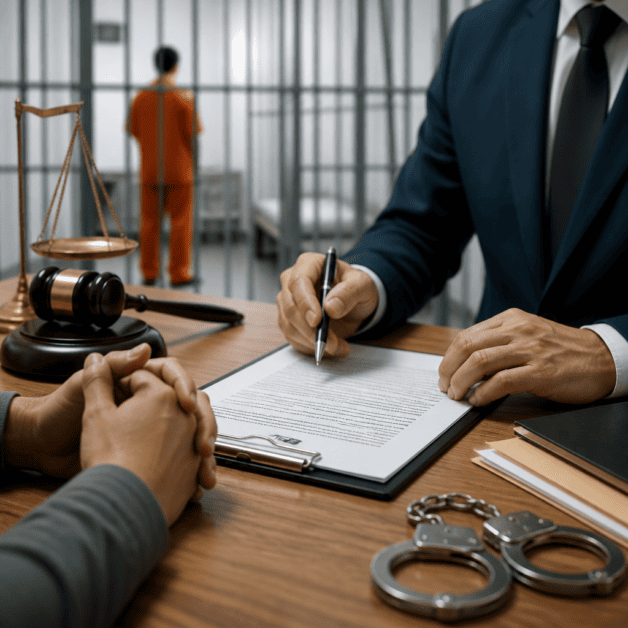
The <strong>bail bond</strong> system plays a crucial role in the criminal justice process, providing a means for individuals accused of a crime to remain free while awaiting trial. Understanding this system is essential for navigating legal challenges that arise after an arrest.
Bail is a financial arrangement that a bail bond company makes on behalf of the accused. In exchange for the release of the defendant from jail, the company guarantees payment of the full bail amount if the defendant fails to appear in court. This system ensures that the defendant can prepare for trial outside of custody while providing a financial incentive to return to court.
The cost of a bail bond typically includes a non-refundable fee, usually a percentage of the total bail amount set by the court. This fee compensates the bail bond company for the risk they undertake. Factors influencing bail amounts include the severity of the crime, the defendant's criminal history, and their likelihood of fleeing.
Understanding the responsibilities and obligations that come with a bail bond is vital. When someone signs a bail bond contract, they agree to specific conditions, such as appearing in all court hearings and not engaging in illegal activities. Failure to meet these conditions can result in the revocation of the bail and immediate return to custody.
The bail bond process also involves legal considerations regarding the rights of the accused. The Eighth Amendment of the U.S. Constitution prohibits excessive bail, ensuring that the amount set is not punitive but rather sufficient to guarantee the defendant's return to court.
For those unable to afford bail, options such as personal recognizance release or seeking a bail reduction in court are available. These alternatives depend on various factors, including the nature of the offense and community ties.
The role of a bail bondsman is critical in this process. They act as a guarantor, pledging money or property as bail for the appearance of the defendant in court. Choosing a reputable and licensed bail bondsman is essential for ensuring a smooth and legally compliant process.
In conclusion, the bail bond system is a complex but vital part of the criminal justice system. Understanding how it works, its costs, legal implications, and the responsibilities it entails is crucial for anyone involved in the process.
An unexpected felony arrest in Ohio can leave families trying to understand unfamiliar court procedures while making urgent decisions about a loved one’s release. The bail process often moves quickly, with hearings, bond amounts, and legal requirements unfolding before relatives have time to gather reliable information. Understanding how felony bail bonds work in Ohio can […]
Bail bonds in Harris County (Houston) typically cost about 10%–20% of the total bail amount, depending on the charge and bond type. After an arrest, most people are booked into the Harris County Jail or a city jail and must wait for a magistrate to set bail and conditions. This guide explains the step-by-step process, […]
In Los Angeles County, you can request a bail reduction hearing as soon as practicable—often within days of arraignment—by filing a written motion and presenting evidence supporting release on reduced bail or on OR. Bail in LA is driven by the county bail schedule, but judges must also consider California constitutional and statutory rules on […]
In Harris County, most felony arrestees can post bail as soon as a magistrate sets a bond—often within 24–48 hours, though it can take longer on weekends or for serious charges. Houston felony arrests typically route through the Harris County Jail system, where bond eligibility, bond amounts, and release timing depend on the charge, criminal […]
In Harris County, Texas, many first-time DWI arrestees can post bail and be released the same day—often within 4–24 hours—once a bond is approved. Release timing depends on the charge level, magistrate schedule, BAC, and jail processing at the Harris County Jail. This guide explains the step-by-step bail bond process after a DWI arrest in […]
A warrantless arrest in Maricopa County must be promptly reviewed by a judge at your first appearance, typically within 24 hours of booking. That hearing sets release conditions and opens early opportunities to challenge an unlawful seizure. This article explains what happens at the first appearance and how Arizona attorneys attack illegal warrantless arrests from […]
A bail reduction hearing in Los Angeles County can often be requested within days after arraignment, and courts may also review bail at later “bail review” appearances. High bail is commonly tied to the LA County bail schedule, prior record, alleged violence, or flight-risk factors. This article explains who can request a reduction, where to […]
In Harris County, most people can post bail and secure release the same day—often within 4–24 hours after a bond is approved and processed. Houston arrests typically route through the Harris County Jail system, where bail is set quickly for many charges but delays can occur due to court dockets, holds, or staffing. This article […]
In Harris County, Texas, most felony arrestees can seek release by posting a bail bond—often within 24–48 hours after arrest, depending on the charge and court schedule. Harris County’s bond process runs through the Jail (700 N. San Jacinto), the hearing officer/magistrate, and felony courts, with strict conditions that can include GPS monitoring. This article […]
In Maricopa County, you can check many active arrest warrants online through the Maricopa County Sheriff’s Office (MCSO) warrant search and confirm details by phone with the issuing agency. Because warrants may be issued by municipal, justice, or superior courts, more than one source may be necessary. This guide explains online and phone options, what […]
An illegal traffic stop arrest in Phoenix can often be challenged by filing a motion to suppress under the Fourth Amendment and Arizona Rule of Criminal Procedure 16.2. If the judge finds police lacked reasonable suspicion for the stop or probable cause for the arrest/search, key evidence may be excluded—sometimes ending the case. This article […]
In Harris County, Texas, most people can start the bail bond process immediately after booking—often posting a bond within hours once a judge sets bail. The right timeline depends on the charge, whether there’s a hold, and how quickly the court sets bond. This guide explains how to get a bail bondsman in Harris County, […]