Technology & Society

Articles in this category explore how emerging technologies shape society and the legal rules that govern them, including privacy and data protection, AI and algorithmic accountability, cybersecurity, digital platforms and content moderation, intellectual property, and technology-related consumer and workplace rights. It also covers regulatory and compliance developments affecting tech companies, individuals, and public institutions.

9 posts
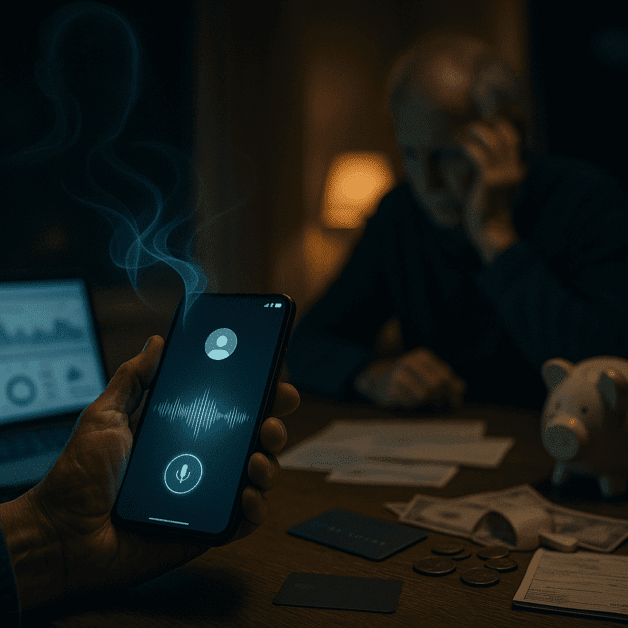
AI Voice Spoofing Fraud – How One 10-Second Call Stole a Retiree’s Life Savings

AI Voice Spoofing Fraud – How One 10-Second Call Stole a Retiree’s Life Savings

AI voice spoofing fraud can steal a victim’s savings in as little as a 10‑second phone call by using AI‑cloned voices to impersonate trusted family members or officials. These scams often pressure retirees into urgent wire transfers or sharing account access before they can verify the caller’s identity. This article explains how voice‑cloning fraud works, […]
Read More
The New Federal Standard for Proving AI Discrimination at Work

The New Federal Standard for Proving AI Discrimination at Work

The new federal standard strengthens how workers can prove AI workplace discrimination under Title VII by tying biased AI decisions to employer liability. EEOC and related federal guidance emphasize disparate impact evidence, validation, and reasonable accommodations when automated tools screen or evaluate employees. This article explains what changed, what evidence matters, and how employees and […]
Read More
AI Wrote My Will. Here’s What the Probate Judge Said.

AI Wrote My Will. Here’s What the Probate Judge Said.

An AI-drafted will can be rejected or partially invalidated in probate if it isn’t properly executed or its terms are unclear. Probate judges focus on statutory signing/witness rules and evidence of testamentary capacity and intent—not who typed the document. This article explains what the judge scrutinized, the most common AI-will pitfalls, and practical steps to […]
Read More
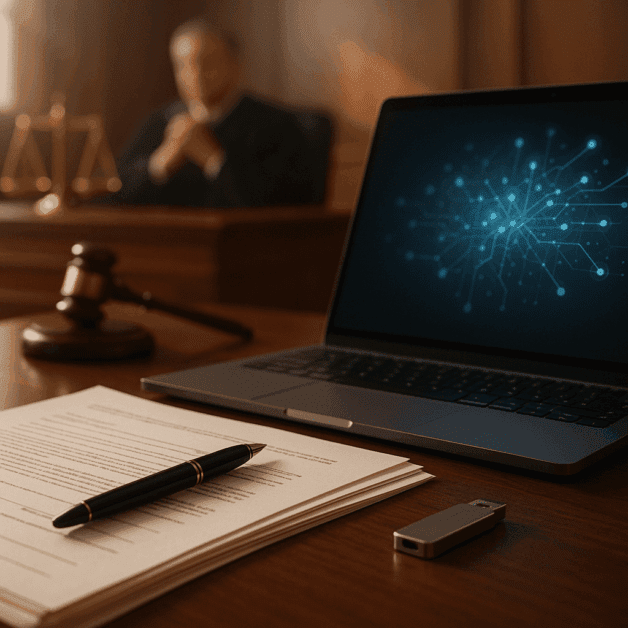
Can AI Testify in Court? A Judge Just Said Yes.

Can AI Testify in Court? A Judge Just Said Yes.

Yes—an AI-generated witness statement can be admitted in court, as a judge has now allowed such evidence in at least one case. The ruling signals that AI outputs may be treated like other digital records, but only if parties can meet authentication, reliability, and hearsay requirements. This article explains what the decision means, the legal […]
Read More
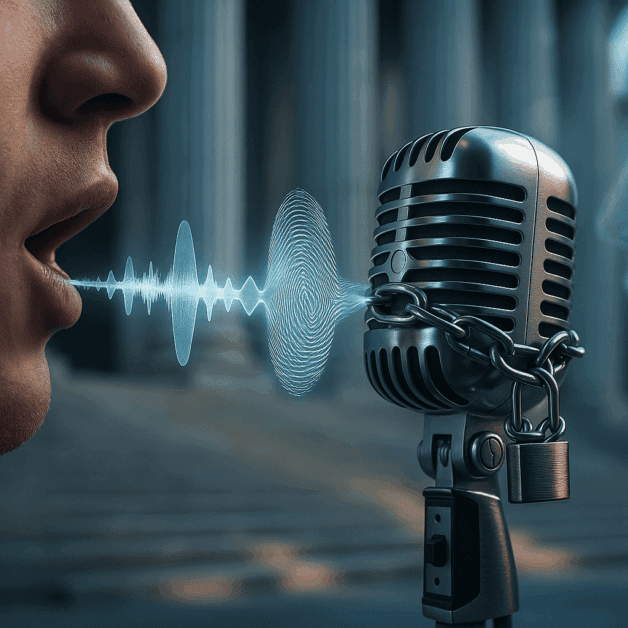
The Supreme Court Case That Will Decide If Your Voice Belongs to You

The Supreme Court Case That Will Decide If Your Voice Belongs to You

The Supreme Court is poised to decide whether AI voice cloning can be stopped under existing rights like publicity and privacy, potentially setting a nationwide standard. That ruling would clarify what claims and remedies apply when your voice is copied without consent. This article explains the case, what’s at stake, and practical steps to protect […]
Read More
If a Company Sells Your Data, These Are the New Disclosure Rules

If a Company Sells Your Data, These Are the New Disclosure Rules

New data sale disclosure rules require companies to clearly disclose when they sell personal data and how consumers can opt out. These notices must be easy to find and explain what data is sold and to whom. This article covers the new disclosure requirements, your consumer rights, and steps to take if your data is […]
Read More
If a Bot Said It, Did You Say It? The New Legal Test for Online Speech

If a Bot Said It, Did You Say It? The New Legal Test for Online Speech

In the U.S., you can face liability for bot-generated posts when you authorized, directed, or materially contributed to the specific unlawful content. Courts treat bots as tools, so intent, control, and foreseeability often determine who “said” it. This article explains the emerging legal test, key defenses, and how users, companies, and platforms assess risk. When […]
Read More
If an AI Commits a Crime, Who Goes to Jail? The Answer Might Surprise You

If an AI Commits a Crime, Who Goes to Jail? The Answer Might Surprise You

Today, an AI itself can’t go to jail in the U.S.; criminal liability typically attaches to a human or corporate entity that deployed, controlled, or negligently supervised it. Prosecutors look for intent, duty, and foreseeability, while civil suits often target manufacturers, developers, employers, or owners. This article explains who can be charged and what factors […]
Read More
Can the Government Delete Your Face From an AI Model? The Surprising Answer

Can the Government Delete Your Face From an AI Model? The Surprising Answer

Sometimes—but there is no single U.S. law that guarantees your face can be deleted from an AI model. Deletion depends on the agency, the data source, and applicable state privacy/biometric laws, and trained models often can’t be cleanly “untrained.” This article explains when removal is possible, how to request it, and what legal options exist […]
Read More
Scroll to Top