Banking Regulations

Explore comprehensive insights into the complex world of banking regulations, where you will find expert articles, video interviews with legal professionals, and detailed glossary definitions. Our content covers vital topics such as compliance, financial law, consumer protection, and the impact of federal and state regulations on banking practices. Stay informed and empowered with resources designed to help you navigate the legal landscape of the banking industry.

45 posts
What Triggers the Best Debt Relief Options?

What Triggers the Best Debt Relief Options?

The best debt relief options are typically triggered after 3–6 months of missed payments or when debt payments exceed 40% of monthly income. Creditor lawsuits, wage garnishment, or imminent foreclosure/repossession are strong signals to evaluate bankruptcy or other relief. This article explains bankruptcy’s role and how to choose the right path to a financial fresh […]
Read More
Discover Key 1898 Bankruptcy Act Provisions Now

Discover Key 1898 Bankruptcy Act Provisions Now

The Bankruptcy Act of 1898 established the first permanent U.S. federal bankruptcy system and remained in force until it was replaced in 1978. It standardized bankruptcy courts, trustee administration, and discharge procedures for individuals and businesses. This article summarizes the Act’s core provisions and its impact on modern bankruptcy law. The Bankruptcy Act of 1898, […]
Read More
What Made the 1898 Bankruptcy Act Revolutionary?

What Made the 1898 Bankruptcy Act Revolutionary?

The Bankruptcy Act of 1898 revolutionized U.S. bankruptcy law by creating the first permanent, nationwide federal bankruptcy system. It standardized procedures through bankruptcy courts and trustees, making relief more predictable for debtors and recoveries more orderly for creditors. This article explains the Act’s key innovations, protections, and long-term impact on American corporate law. The Bankruptcy […]
Read More
Unlock the Secrets of Bankruptcy Estate for a Successful Financial Reset

Unlock the Secrets of Bankruptcy Estate for a Successful Financial Reset

A bankruptcy estate is the legal pool of assets and interests you own at the time you file, and it may also include certain property you acquire after filing. It’s what the bankruptcy trustee can control, sell, or distribute to creditors—subject to exemptions you can claim. This article explains what counts as estate property, key […]
Read More
Reveals Hidden Debt Relief Opportunities

Reveals Hidden Debt Relief Opportunities

Many borrowers can reduce or eliminate unsecured debt through settlement, hardship programs, or bankruptcy, and some qualify for temporary payment pauses or reduced interest rates. These options are often missed because eligibility depends on income, hardship documentation, creditor policies, and state law. This article reveals overlooked debt relief opportunities, how to assess which programs you […]
Read More
What Are Hidden Signs of Bankruptcy Fraud?

What Are Hidden Signs of Bankruptcy Fraud?

Bankruptcy fraud often shows up as missing assets, false income disclosures, or unusual transfers—federal law can penalize it with fines and up to five years in prison per offense. Common red flags include last-minute gifts to family, undervalued property sales, incomplete schedules, and inconsistent financial records. This article outlines hidden signs to watch for, how […]
Read More
Are petition preparers allowed to give legal advice?

Are petition preparers allowed to give legal advice?

No—petition preparers generally cannot give legal advice; in most states only licensed attorneys may. Petition preparers may provide clerical help like typing or filing forms but risk unauthorized practice of law if they recommend strategies, interpret statutes, or advise what to say in court. This article explains what petition preparers can and can’t do, common […]
Read More
Breaking Free: How Bankruptcy Petitions Can Change Your Financial Future

Breaking Free: How Bankruptcy Petitions Can Change Your Financial Future

Filing a bankruptcy petition can stop most collection efforts immediately through the automatic stay and may eliminate or restructure qualifying debts. For individuals and businesses overwhelmed by bills, it can provide court-supervised protection and a path toward financial stability. This article explains what a bankruptcy petition is, how Chapter 7 and Chapter 13 work, what […]
Read More
What to know about bankruptcy clerks in court.

What to know about bankruptcy clerks in court.

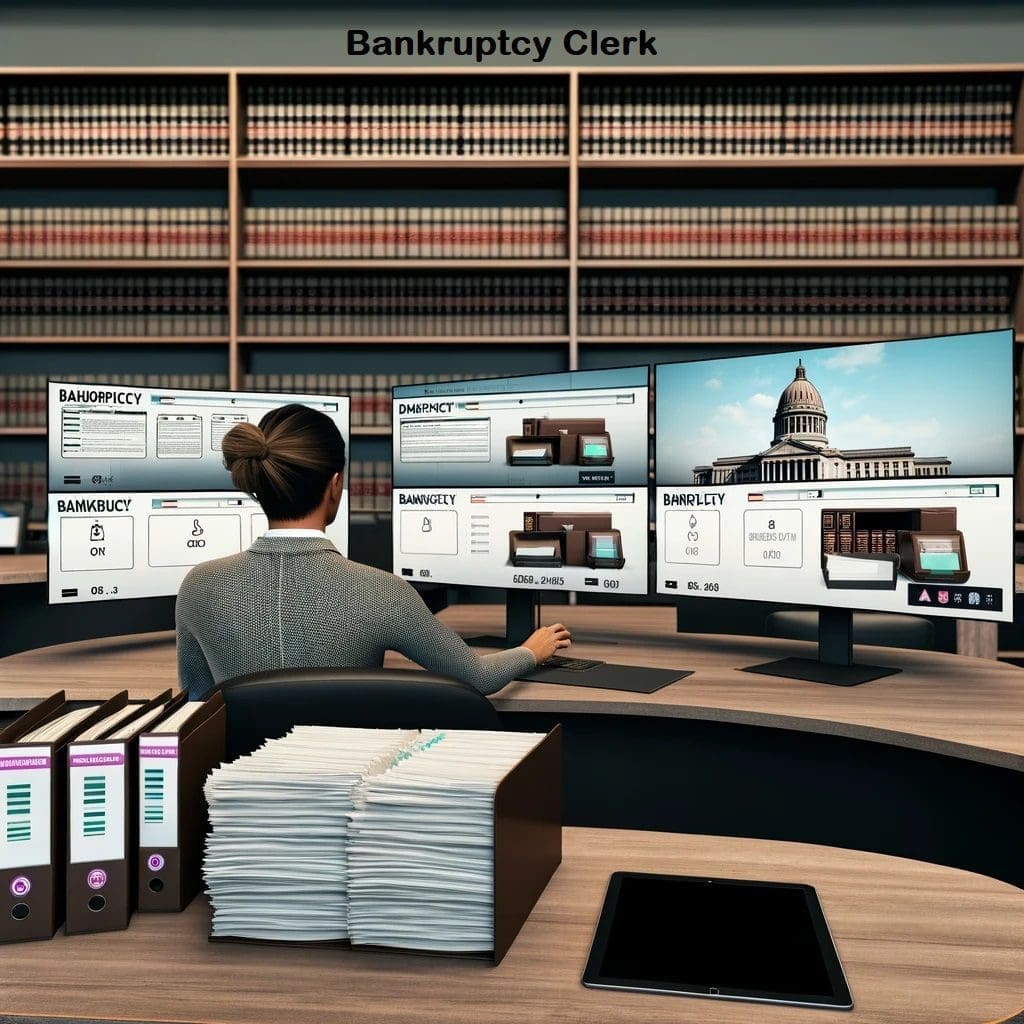
A bankruptcy clerk in court manages case filings, docket entries, notices, fees, and hearing calendars to keep bankruptcy proceedings on track. Clerks support bankruptcy judges and ensure records are accurate and deadlines are met for debtors and creditors. This article explains core responsibilities, what clerks can’t do (legal advice), and how to work with the […]
Read More
Why Real-World Bankruptcy Success Stories Matter Now

Why Real-World Bankruptcy Success Stories Matter Now

Bankruptcy can eliminate qualifying unsecured debts and, in some cases, resolve them in as little as 3–6 months through Chapter 7. Real-world success stories show how people and small businesses use the process to stop collection pressure, protect essential assets, and rebuild financial stability. This article explains why these outcomes matter now, what makes a […]
Read More
Can Bankruptcy Stop Creditor Harassment Now?

Can Bankruptcy Stop Creditor Harassment Now?

Yes—filing bankruptcy triggers an automatic stay that stops most creditor contact within hours to 1 day. It halts collection calls, letters, lawsuits, and wage garnishments, with limited exceptions like some child support actions. This article explains how the stay works, what it covers, and what to do if a creditor keeps harassing you. In the […]
Read More
Business Mergers and Acquisitions Lawyer: Your Complete Guide to M&A Legal Expertise in Corporate Transactions

Business Mergers and Acquisitions Lawyer: Your Complete Guide to M&A Legal Expertise in Corporate Transactions

A business mergers and acquisitions (M&A) lawyer structures, negotiates, and documents corporate deals—often involving purchases, mergers, asset sales, and stock transfers—while managing legal risk and regulatory compliance. With transactions frequently running into the millions and requiring strict due diligence, one missed clause or filing can trigger costly liabilities or delays. This guide explains what M&A […]
Read More
Scroll to Top