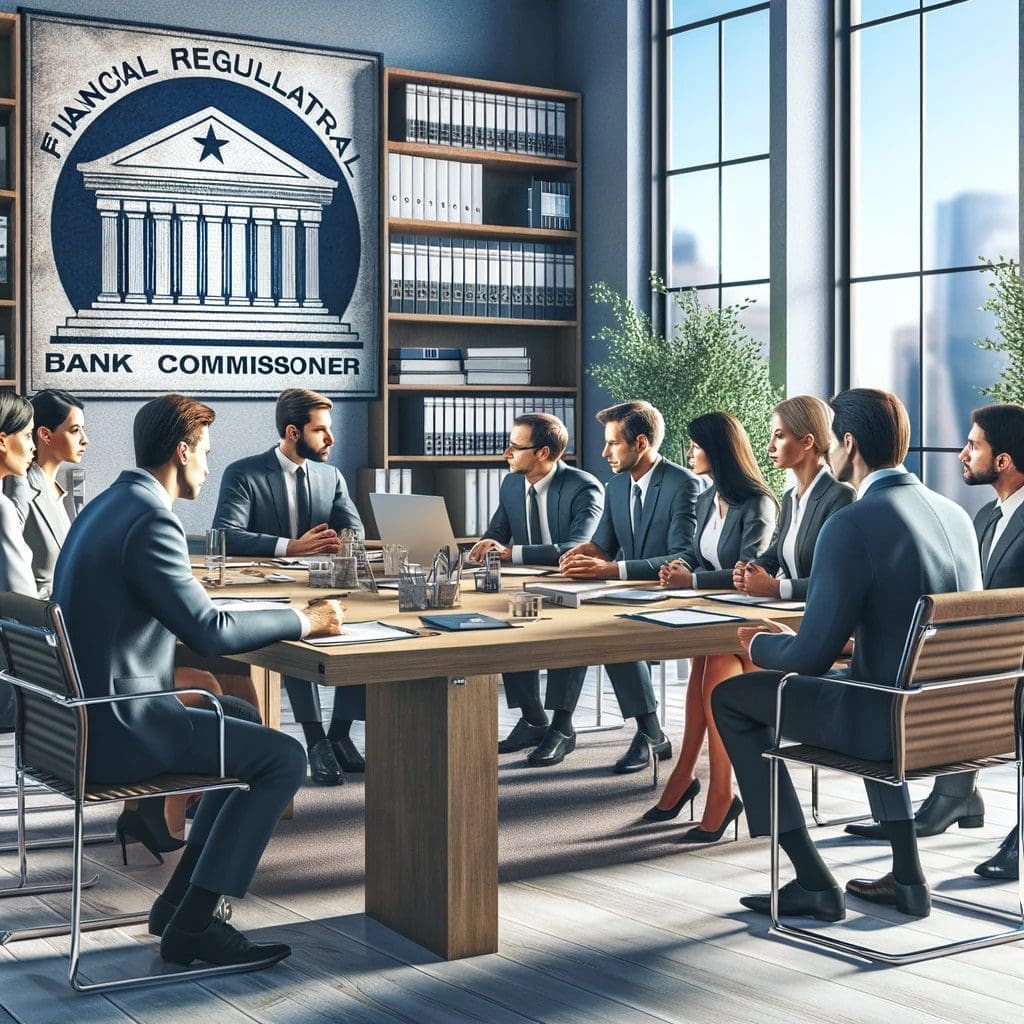
Regulatory Compliance

Explore a comprehensive range of content focused on regulatory compliance, including in-depth articles, expert video interviews with attorneys, and clear legal glossary definitions. Visitors will find valuable resources on navigating complex compliance issues across various industries, understanding federal and state regulations, and staying informed about best practices. Whether you are a legal professional or an individual seeking guidance, this category offers essential insights to help you meet your regulatory obligations effectively.

259 posts
Bank Notes and Legalities: Navigating Fraud, Compliance, and Digital Transitions

Bank Notes and Legalities: Navigating Fraud, Compliance, and Digital Transitions

Bank note fraud and counterfeiting are criminal offenses in every U.S. jurisdiction, with federal penalties reaching up to 20 years in prison for counterfeit currency. Businesses must follow AML/KYC, reporting, and recordkeeping rules to reduce risk when handling cash. This article covers fraud liability, compliance basics, and how digital transitions change bank-note regulation. In the […]
Read More

Understanding the Legal Framework of Banking Institutions for Security and Compliance

Understanding the Legal Framework of Banking Institutions for Security and Compliance

Banking institutions in the U.S. are regulated by multiple agencies under federal laws like the Bank Secrecy Act and state banking codes. Compliance typically includes AML programs, KYC/Customer Identification, cybersecurity safeguards, and regular examinations by regulators. This article explains the legal framework, oversight bodies, and core security and compliance duties for banks and similar institutions. […]
Read More
Exploring the Legal Framework of Banking Organizations for Stability and Trust

Exploring the Legal Framework of Banking Organizations for Stability and Trust

Banking organizations typically face oversight from at least 1 primary regulator and must meet capital and liquidity requirements to operate. These legal rules protect depositors, reduce systemic risk, and enforce fair lending and disclosure standards. This article explains key regulatory structures, compliance duties, and how laws build stability and trust across banking services. Navigating the […]
Read More
The Critical Role of Bank Calls in Banking Regulation and Oversight

The Critical Role of Bank Calls in Banking Regulation and Oversight

A bank call report (FFIEC 031/041) is a mandatory quarterly filing every insured U.S. bank submits to federal regulators. It captures standardized financial and risk data used to assess capital adequacy, liquidity, and overall safety and soundness. This article explains what bank calls are, who requires them, what they contain, and why they matter for […]
Read More
Exploring the Role of Bank Commissioners in Banking Regulation and Consumer Protection

Exploring the Role of Bank Commissioners in Banking Regulation and Consumer Protection

A bank commissioner is a state-appointed regulator who supervises banks and enforces state banking laws to protect consumers and financial stability. They license institutions, conduct examinations, investigate misconduct, and can issue administrative orders and penalties. This article explains core duties, civil/criminal enforcement touchpoints, and consumer protection impacts. The role of a Bank Commissioner is integral […]
Read More
Bank Books in Legal Contexts: Their Role in Disputes and Compliance

Bank Books in Legal Contexts: Their Role in Disputes and Compliance

Bank books provide a dated, transaction-by-transaction record that can corroborate deposits, withdrawals, and balances in court. They’re commonly used to support claims in civil disputes, prove intent or concealment in fraud cases, and satisfy audit and reporting requirements. This article explains how bank books function as evidence and compliance tools in civil and criminal matters. […]
Read More
Understanding the Bank Conservation Act: Ensuring Banking Stability

Understanding the Bank Conservation Act: Ensuring Banking Stability

The Bank Conservation Act provides a legal framework to conserve and rehabilitate banks facing financial distress to maintain U.S. banking stability. It authorizes supervisory actions that prioritize continuity of operations and protection of the banking system. This article explains what the Act is, how it works, and why it matters for banks and regulators. In […]
Read More
Mastering Legal Compliance: A Comprehensive Guide to Bank Prospectus Integrity

Mastering Legal Compliance: A Comprehensive Guide to Bank Prospectus Integrity

A bank prospectus must present complete, accurate, and non-misleading disclosures to avoid civil damages and potential criminal charges for fraud. Liability can attach to issuers, directors, underwriters, and advisers when material misstatements or omissions occur and due diligence is lacking. This article explains disclosure standards, due diligence steps, and controls to maintain prospectus integrity. In […]
Read More
Bank Reorganization Strategies: Navigating Legal and Financial Shifts

Bank Reorganization Strategies: Navigating Legal and Financial Shifts

Bank reorganization typically combines 3 core steps—asset/loan restructuring, creditor renegotiation, and operational realignment—to stabilize a troubled institution. It’s executed under strict banking regulation and often involves court-supervised or regulator-directed processes to protect depositors. This article outlines key legal strategies, financial tools, and risk considerations for successful reorganizations. In the intricate world of banking, bank reorganization […]
Read More
Ballot Stuffing: A Threat to Electoral Integrity and Legal Responses

Ballot Stuffing: A Threat to Electoral Integrity and Legal Responses

Ballot stuffing—casting or submitting more than one ballot per eligible voter—is a felony in many U.S. jurisdictions and can lead to fines, prison time, and election challenges. Prosecutors may pursue criminal charges while candidates or voters can file civil actions to contest results or seek injunctive relief. This article explains definitions, penalties, prevention tactics, and […]
Read More
Bank Ratings Unveiled: Navigating the Legal Landscape of Financial Assessments

Bank Ratings Unveiled: Navigating the Legal Landscape of Financial Assessments

Bank ratings are issued primarily by the “Big Three” agencies—S&P, Moody’s, and Fitch—and heavily influence funding costs and investor decisions. In the U.S., they are regulated mainly under SEC/NRSRO rules and can trigger civil exposure when disclosures or reliance claims are alleged. This article explains how ratings are made, the governing regulations, and key liability […]
Read More
Navigating Ballast Water Regulations: A Comprehensive Guide

Navigating Ballast Water Regulations: A Comprehensive Guide

Ballast water is regulated in the U.S. under the Clean Water Act, with Coast Guard and EPA requirements that apply to most commercial vessels to prevent the spread of invasive aquatic species. Compliance often hinges on ballast water management plans, approved treatment systems, required reporting, and regular inspections—especially for vessels operating in U.S. waters or […]
Read More
Scroll to Top