Explore a comprehensive collection of resources related to election law, including in-depth articles, expert video interviews with attorneys, and clear definitions of key legal terms. Our content addresses critical topics such as voter rights, campaign finance regulations, and election integrity, providing valuable insights for legal professionals and the general public alike. Stay informed about the latest developments and legal precedents in the ever-evolving landscape of election law.
February 11, 2026•By Attorneys.Media Editorial Staff
Election law compliance forms democracy's backbone, establishing rules for fair elections. State election laws vary significantly, creating complex regulations that govern voter registration, campaign finance, and ballot access to ensure transparent democratic processes.
October 15, 2025•By Attorneys.Media Editorial Staff
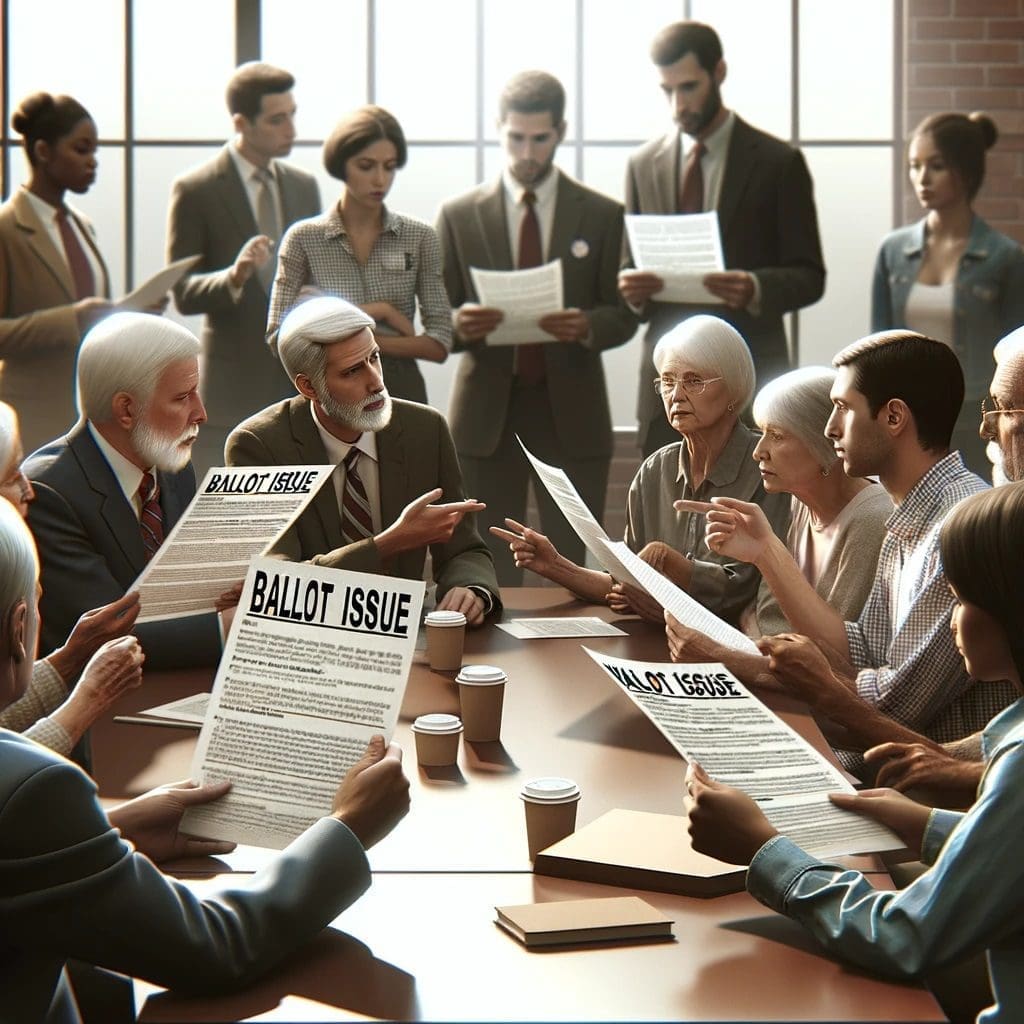
Analyze ballot propositions in 5 steps: read the full text, review summaries, check fiscal impacts, scan legal challenges, and compare arguments. This method reduces misinformation and highlights how courts and election rules can change what reaches voters. This article explains ballot issue types, litigation, and their effects on elections. Ballot issues, encompassing a wide range […]
October 14, 2025•By Attorneys.Media Editorial Staff
Ballot initiatives are a direct-democracy process available in 26 U.S. states that lets voters enact statutes or constitutional amendments by popular vote. They bypass the legislature by qualifying measures through required signatures and procedural rules that vary by state and locality. This article explains how initiatives work, the governing legal framework, and key challenges and […]
October 12, 2025•By Attorneys.Media Editorial Staff
Backchannel diplomacy works best when 1–2 trusted intermediaries run a confidential, tightly scoped channel with clear authority and secure communication. It lowers political risk and creates space to test concessions and craft options before formal talks. This article explains when to use backchannels, how to structure them, and common pitfalls to avoid. In the complex […]
September 19, 2025•By Attorneys.Media Editorial Staff
Courts may excuse waived objections under a Harvey waiver by applying plain-error review when an error is obvious and affects substantial rights. Even without a timely objection, appellate courts can correct mistakes that seriously undermine fairness or the integrity of the proceeding. This article explains what counts as waiver, when courts will still review, and […]
Political figures can face at least 6 major legal repercussions: investigation, indictment, trial, conviction, sentencing, and disqualification/removal. These outcomes can also trigger ethics inquiries, campaign finance penalties, and civil liability that reshape careers and public trust. This article explains the criminal, civil, and political consequences and how they affect institutions and elections. The legal repercussions […]
U.S. political scandals are addressed through federal and state criminal statutes, ethics rules, and civil laws, with cases often handled by grand juries and special counsel or state prosecutors. Outcomes depend on evidence, jurisdiction, and prosecutorial discretion, while courts weigh due process, speech protections, and public-interest transparency. This article explains investigations, charges, defenses, and consequences […]
February 26, 2025•By Attorneys.Media Editorial Staff
Legal systems address social media fraud by applying existing criminal and civil fraud laws, often supplemented by platform policies and cybercrime statutes. Enforcement typically relies on digital evidence, cross-border cooperation, and remedies ranging from account takedowns to fines, restitution, and imprisonment. This article explains common legal theories, investigative tools, jurisdiction and anonymity challenges, and practical […]
February 24, 2025•By Attorneys.Media Editorial Staff
Politicians involved in fraud schemes can face up to 20 years in federal prison per wire fraud count, plus fines, restitution, and asset forfeiture. Convictions can also trigger removal from office, loss of pensions, and bans on holding future public office under state or federal rules. This article explains key statutes, charging theories, and typical […]
Ballots are the legal instrument by which eligible voters cast a binding vote in democratic elections. They safeguard the constitutional right to vote and are regulated by election-administration, fraud, and civil-rights laws to protect integrity and access. This article explains ballot types, governing laws, common challenges, and key reforms affecting future elections. In the tapestry […]
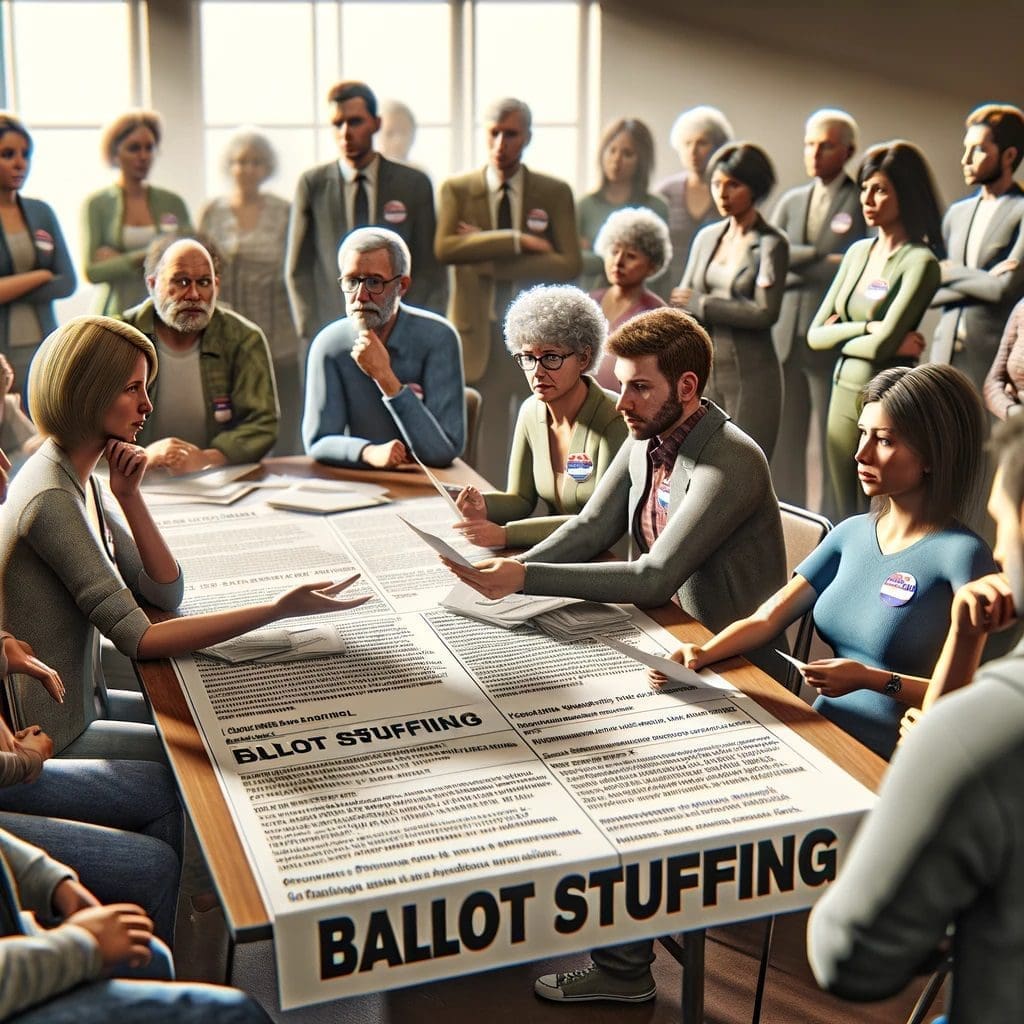
Ballot stuffing—casting or submitting more than one ballot per eligible voter—is a felony in many U.S. jurisdictions and can lead to fines, prison time, and election challenges. Prosecutors may pursue criminal charges while candidates or voters can file civil actions to contest results or seek injunctive relief. This article explains definitions, penalties, prevention tactics, and […]
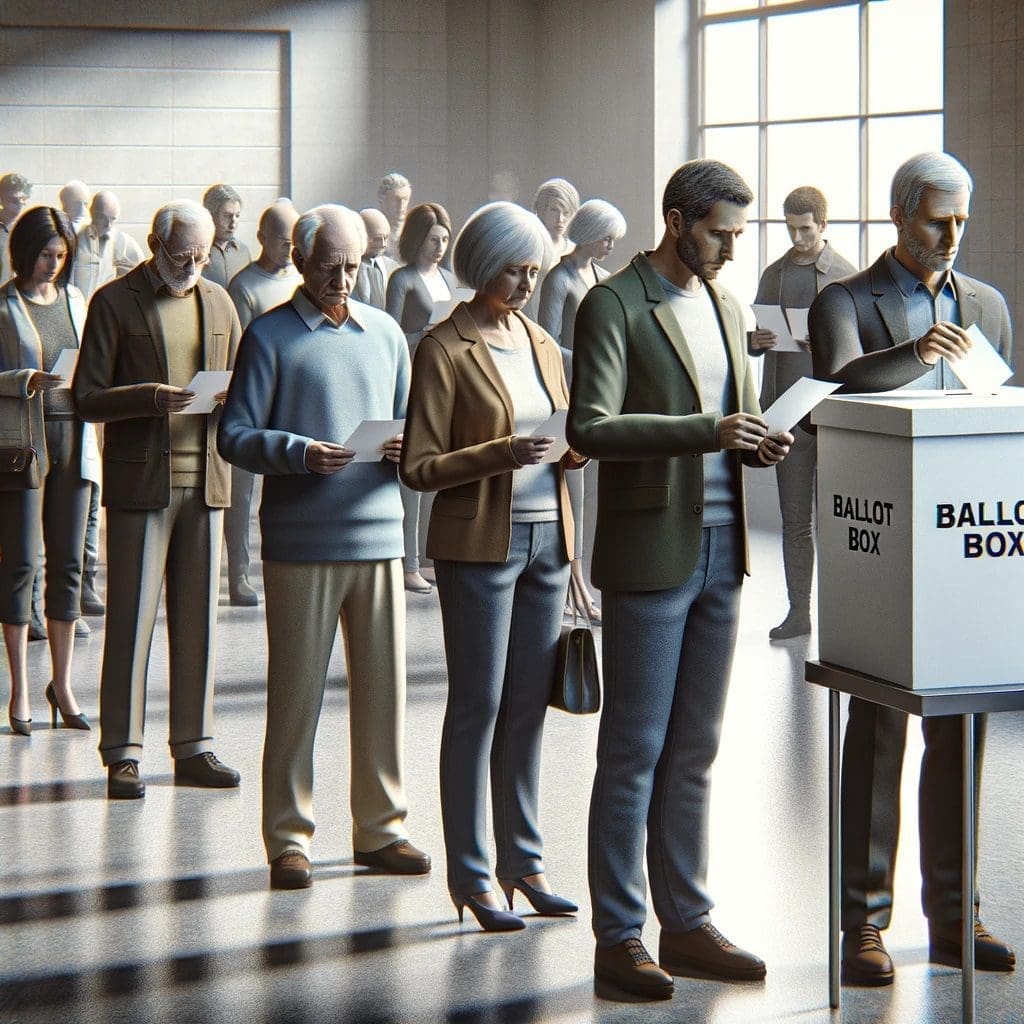
Ballot boxes and secure drop boxes are governed by state election laws that require chain-of-custody controls and tamper-evident security. Courts frequently review whether placement and collection rules protect both election integrity and voter access. This article explains ballot box functions, security standards, and key legal challenges shaping modern elections. The ballot box, a symbol of […]