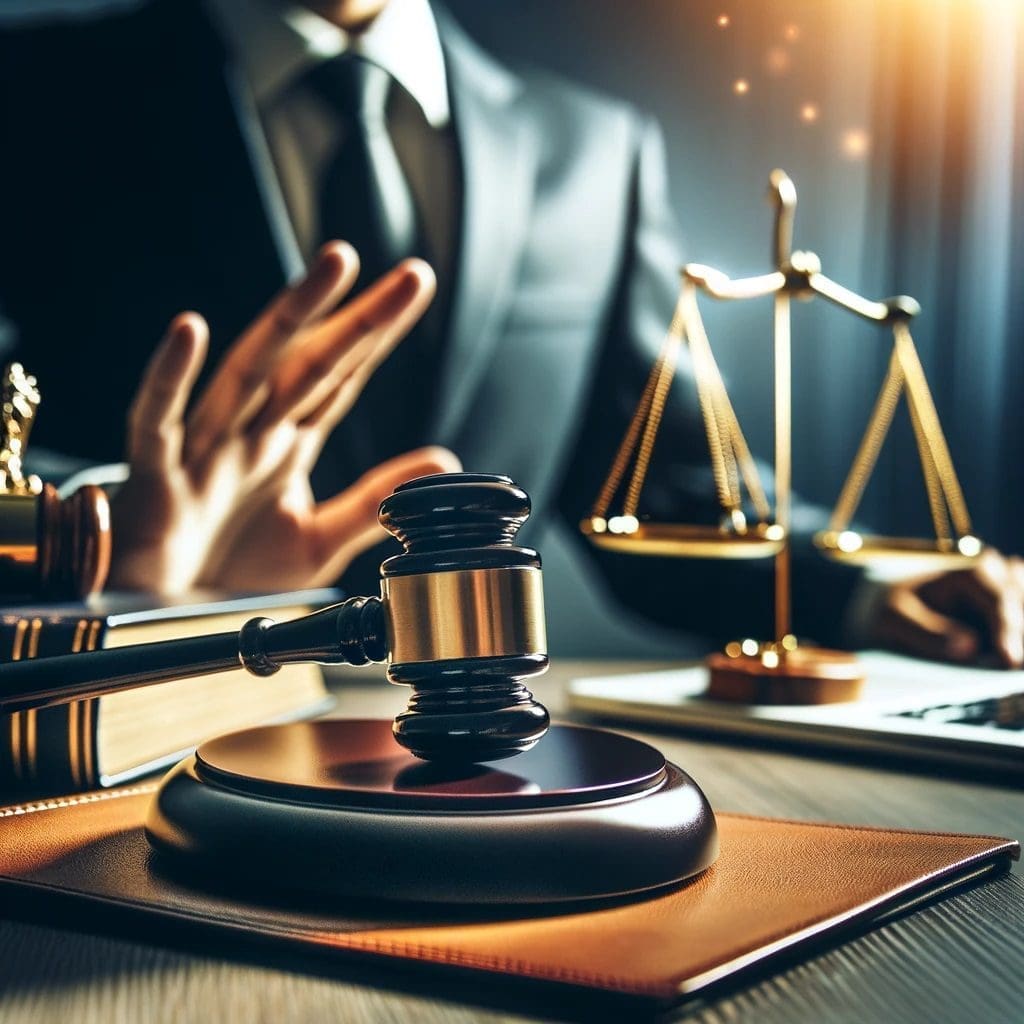
Defamation Law

Explore a comprehensive range of resources related to defamation law, including informative articles, video interviews with legal experts, and detailed explanations of key terms and concepts. Visitors will gain insights into the legal definitions of slander and libel, understand the nuances of defamation cases, and learn about their rights and remedies. This section serves as an essential guide for individuals seeking clarity on defamation issues and the complexities of pursuing legal action.

21 posts
What is online defamation?

What is online defamation?

Online defamation is a false statement of fact posted on the internet that harms someone’s reputation and may create legal liability under libel laws. Unlike opinions, defamatory posts—such as accusations of criminal conduct or professional misconduct—can be actionable when published to others and cause reputational or financial damage. This article explains the legal definition, common […]
Read More
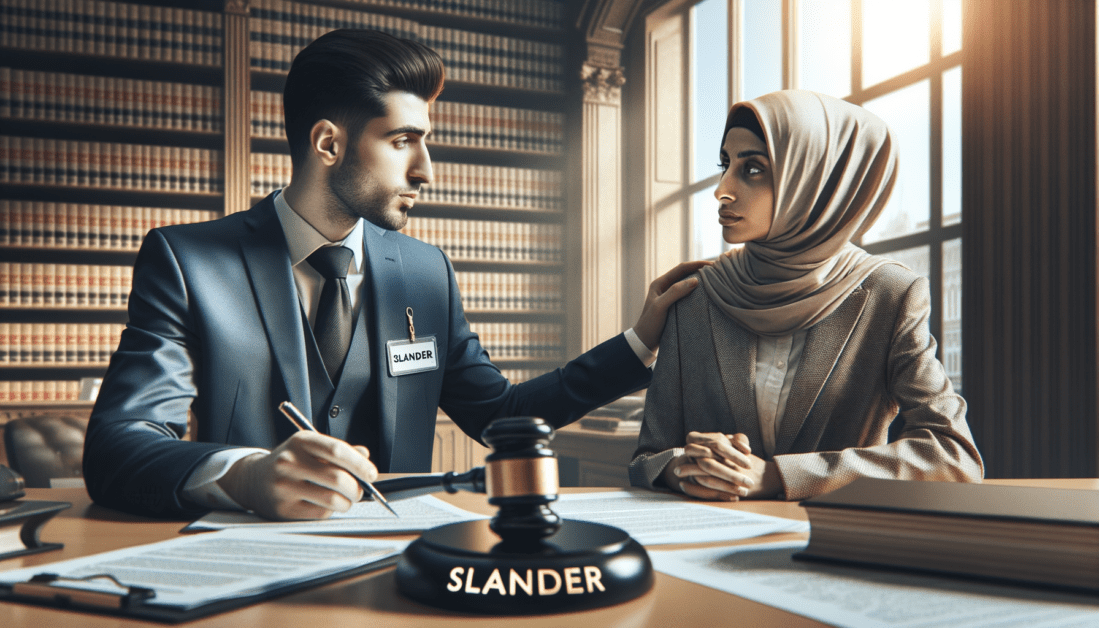
What is slander?

What is slander?

Slander is spoken defamation—false verbal statements that harm someone’s reputation. Unlike libel, which is written, slander is communicated orally in conversations, speeches, or broadcasts and must generally be proven false and damaging. This article explains the elements of slander, common examples, and legal options. Slander is a form of spoken defamation that occurs when someone […]
Read More
What is libel?

What is libel?

Libel is written defamation: a false statement published in a fixed medium (like print or online) that harms someone’s reputation. To prove it, a claimant generally must show publication, falsity, identification, and reputational damage (plus fault). This article explains libel’s key elements, examples, and common defenses. Understanding Libel: Written Defamation Explained Libel is a form […]
Read More
What is defamation?

What is defamation?

Defamation is a false statement of fact about someone, shared with at least one other person, that harms their reputation. It can be written (libel) or spoken (slander), and claims generally require falsity, publication, fault, and damages. This article explains defamation’s definition, libel vs. slander, and common defenses. Defamation is a legal term that describes […]
Read More
Defamation Law: Complete Guide to Legal Standards

Defamation Law: Complete Guide to Legal Standards

Defamation law protects against false statements harming reputation. Understanding defamation lawsuit process, from libel and slander to online defamation lawsuit requirements, helps recognize violations. Customer defamation lawsuits require proving false facts, not opinions, with specific legal standards for different parties.
Read More
Who Handles Licensing for Professional Music Bands?

Who Handles Licensing for Professional Music Bands?

Licensing for professional music bands is typically handled by a band manager or designated band administrator, often with an entertainment attorney reviewing agreements. They coordinate performance, mechanical, and synchronization rights with PROs, publishers, labels, and venues to keep the band compliant. This article explains the legal responsibilities, risks, and best practices for managing band licensing. […]
Read More
How Can Law Firms Build Strong Facebook Brands?

How Can Law Firms Build Strong Facebook Brands?

Law firms can build a strong Facebook brand by standardizing 5 essentials: logo, cover image, bio, practice messaging, and posting voice. Consistency across visuals and content increases recognition, trust, and local visibility in Facebook and Google results. This article covers profile optimization, content strategy, reviews, ads, and compliance tips. There’s no denying the power of […]
Read More
Social Media Strategies For Lawyers In The Criminal Law Field

Social Media Strategies For Lawyers In The Criminal Law Field

Criminal defense lawyers can use social media to reach local clients by showcasing results, credibility signals, and clear calls to action—without violating ethics rules on advertising, confidentiality, or solicitation. The most effective strategies focus on consistent, jurisdiction-specific content across platforms like Google Business Profile, LinkedIn, YouTube, and Instagram. This article covers compliant content ideas, platform […]
Read More
What Should Firms Post for Better SEO Results?

What Should Firms Post for Better SEO Results?

Law firms should post helpful, locally relevant content—service pages, practice-area FAQs, attorney bios, and regular blog updates—to improve SEO and drive qualified leads. Google rewards sites that demonstrate expertise and answer real client questions clearly, especially for “near me” and city-based searches. This article explains what to publish, how often to post, and which content […]
Read More
How To Stand Out Online As A Criminal Law Firm

How To Stand Out Online As A Criminal Law Firm

Criminal law firms stand out online by combining strong local SEO, clear trust signals (case results, reviews, credentials), and fast, mobile-friendly intake that converts searches into calls. With most prospective clients starting on Google, your visibility and credibility in the first few results often determine who gets contacted. This article explains the best marketing tactics […]
Read More
Building A Strong Online Reputation For Your Criminal Law Practice

Building A Strong Online Reputation For Your Criminal Law Practice

A strong online reputation can be the deciding factor in whether a potential client calls your criminal defense firm or moves on to a competitor. Because people facing charges often research lawyers quickly and rely heavily on reviews, search results, and credibility signals, small missteps online can cost cases and revenue. This article explains practical […]
Read More
Are New Laws Changing How Harassment Is Handled Now?

Are New Laws Changing How Harassment Is Handled Now?

Yes—since 2020, dozens of state laws have expanded harassment definitions, extended reporting deadlines, and increased employer training and investigation duties. Changes vary by state and sector (workplace, schools, online), but enforcement and penalties are generally stronger than in prior years. This article explains the evolving legal standards, implications, and practical steps to address and prevent […]
Read More
Scroll to Top