Intellectual Property

<a href="https://attorneys.media"><img class="aligncenter size-full wp-image-32321" src="http://attorneys.media/wp-content/uploads/2023/12/Intellectual-Property.jpg" alt="Navigating IP Law with Professional Legal Insights" width="1024" height="1024" /></a> <strong>Expert Legal Guidance in Intellectual Property Law for Creators</strong> Intellectual property (IP) law plays a pivotal role in protecting the creations of the mind, including inventions, literary works, and trademarks. In today’s fast-paced digital era, understanding and navigating the complexities of IP law is more important than ever. This article provides a comprehensive overview of intellectual property law and the importance of professional legal advice in this domain. <strong>Understanding Intellectual Property Rights</strong> IP rights are legal entitlements that provide creators control over their creations. These rights are categorized into patents, copyrights, trademarks, and trade secrets. Each category requires a specific legal approach for protection and enforcement. It’s essential to understand the nuances of these rights to safeguard your intellectual property effectively. <strong>The Role of Legal Expertise in IP Protection</strong> Legal expertise is crucial in the realm of IP law. An experienced IP lawyer can help in several ways, from patent filing to copyright enforcement. They provide guidance on the legalities of protecting your intellectual property and assist in navigating through potential legal challenges. <strong>Strategies for Enforcing Intellectual Property Rights</strong> Enforcing IP rights is as important as securing them. Legal professionals specialize in strategies to monitor and enforce your rights. This includes dealing with infringement cases, negotiating licensing agreements, and representing clients in legal disputes. <strong>Intellectual Property in the Digital Age</strong> The digital age has introduced new challenges in IP law, such as digital piracy and online trademark infringement. Legal advice in this context is invaluable, as it helps creators and businesses adapt to the evolving digital landscape while protecting their intellectual property. <strong>Conclusion</strong> Intellectual property law is a dynamic and crucial field that requires expert legal guidance. Whether you are an inventor, author, or entrepreneur, understanding and protecting your IP rights is essential for success. Professional legal advice can provide the necessary support to navigate the complexities of IP law and ensure that your creative rights are fully protected.

132 posts

Your Recipe Can’t Be Copyrighted — But These 3 Things Can Be

Your Recipe Can’t Be Copyrighted — But These 3 Things Can Be

No—recipes generally aren’t protected by copyright because ingredient lists and basic instructions are considered facts and processes under U.S. law. You may still protect original written descriptions, photographs, and branding/trade dress tied to how you present or market the recipe. This article explains the three protectable elements and practical options for stopping copycats. Why Your […]
Read More
Trade Secret vs. Patent – Which One to Choose, and When

Trade Secret vs. Patent – Which One to Choose, and When

Choose a trade secret when your advantage can be kept confidential long-term; choose a patent when you need enforceable exclusivity and can disclose the invention in exchange for protection that generally lasts up to 20 years. The right choice depends on how easily competitors can reverse-engineer your product, how you plan to commercialize it, and […]
Read More
How to Patent a Mobile App — And Why You Probably Shouldn’t

How to Patent a Mobile App — And Why You Probably Shouldn’t

You can patent a mobile app only if it includes a novel, non-obvious technical process, and it typically costs about $10,000–$30,000+ and takes 1–3 years. Most apps are rejected because UI, business methods, and general software ideas aren’t patentable without a concrete technical improvement. This article explains what’s patentable, the filing steps, costs, and when […]
Read More
The Viral TikTok Sound That Just Got Thousands of Creators Sued

The Viral TikTok Sound That Just Got Thousands of Creators Sued

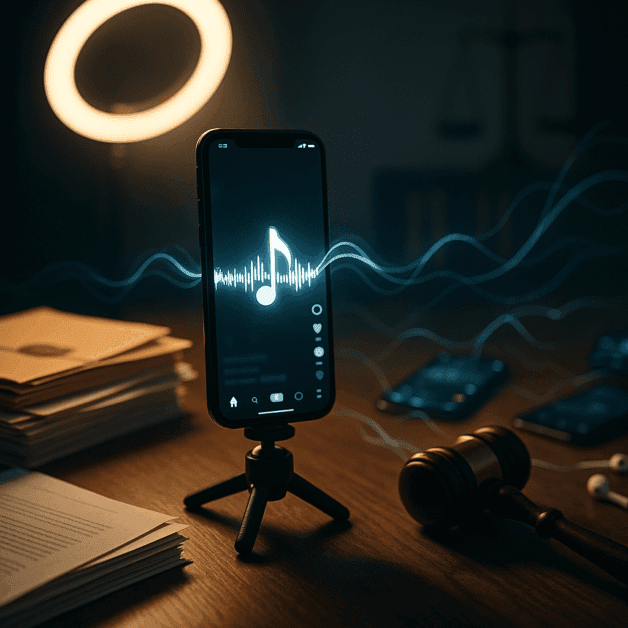
Thousands of TikTok creators are being sued for using a viral sound without securing proper music licensing, exposing them to potential statutory damages of up to $150,000 per infringed work. Lawsuits typically target videos that used copyrighted audio in monetized or promotional content beyond TikTok’s platform licenses. This article explains why the sound triggered litigation, […]
Read More
The Real Reason Big Tech Is Suddenly Settling AI Lawsuits

The Real Reason Big Tech Is Suddenly Settling AI Lawsuits

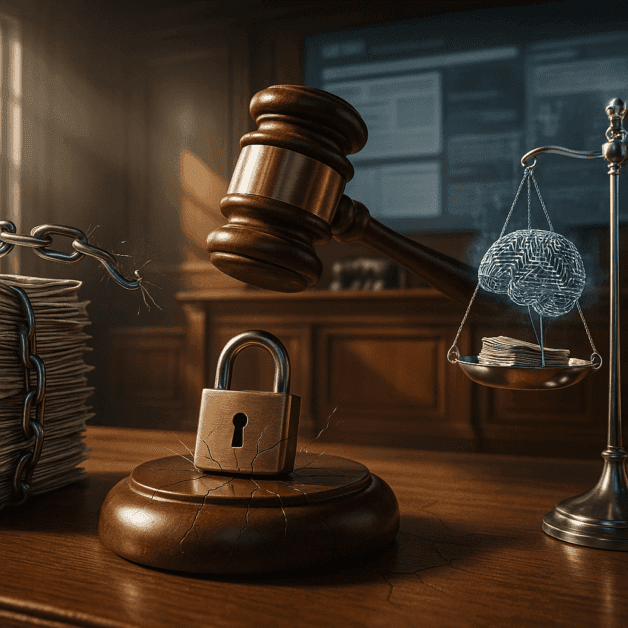
Big Tech is settling AI lawsuits now because the legal and business risks of going to trial—potential injunctions, massive statutory damages, and damaging discovery—have become too costly and unpredictable. Early court rulings, regulatory pressure, and growing public scrutiny are shifting leverage toward plaintiffs and rightsholders. This article explains what changed, why settlements are accelerating, and […]
Read More
Fair Use on YouTube – The 4-Factor Test, Explained With Real Cases

Fair Use on YouTube – The 4-Factor Test, Explained With Real Cases

YouTube fair use is judged under a 4-factor legal test, not by a fixed time limit or “30-second rule.” Courts weigh purpose, nature, amount used, and market effect to decide if a video is lawful. This article explains each factor and illustrates outcomes with real cases and creator-focused examples. What Is Fair Use and Why […]
Read More
The Cease-and-Desist Letter – Template, Tone, and What Actually Makes One Work

The Cease-and-Desist Letter – Template, Tone, and What Actually Makes One Work

A cease-and-desist letter is a written demand that someone stop a specific harmful or rights-violating activity, but it is not a court order and has no automatic legal force. It often resolves disputes without litigation when it clearly states the conduct, legal basis, deadline, and consequences. This article covers templates, tone strategy, and the elements […]
Read More
Your Podcast Name Might Be Trademarked by Someone Else — Here’s How to Check

Your Podcast Name Might Be Trademarked by Someone Else — Here’s How to Check

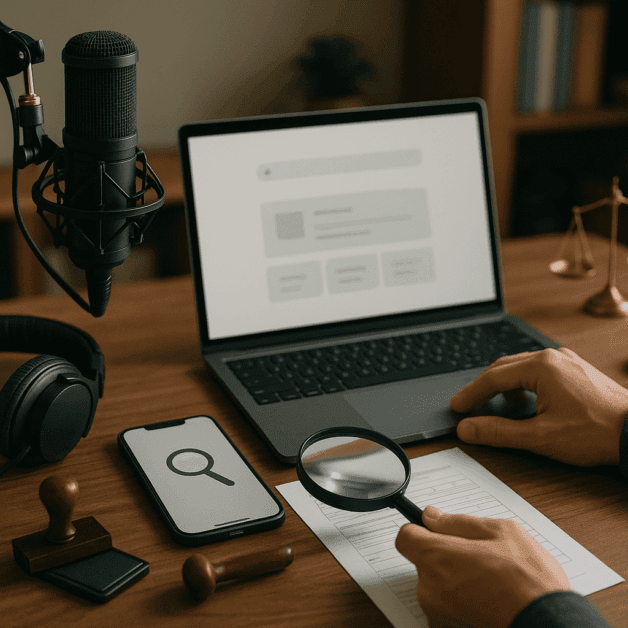
You can check if a podcast name is trademarked in minutes by searching the USPTO’s TESS database for identical and confusingly similar marks. A clearance search helps avoid infringement claims, takedowns, and costly rebrands before you publish. This article explains how to search, what results mean, and when to consult a trademark attorney. Why Your […]
Read More
How to Send a DMCA Takedown That Actually Works

How to Send a DMCA Takedown That Actually Works

A DMCA takedown that actually works includes every required element under 17 U.S.C. § 512(c)(3) and is sent to the service provider’s designated DMCA agent. Missing key details—like identifying the copyrighted work, the infringing URL, or providing a proper signature and good‑faith statements—often leads to delays or rejection. This article explains what to include, how […]
Read More
Can You Copyright an AI-Generated Image? The Copyright Office Just Answered

Can You Copyright an AI-Generated Image? The Copyright Office Just Answered

In most cases, you cannot copyright a purely AI-generated image in the U.S.; the Copyright Office requires human authorship, and protection applies only to the human-created elements. Recent guidance and registration decisions reaffirm that prompts alone typically aren’t enough, while meaningful human selection, arrangement, or editing may qualify. This article explains the Office’s current position, […]
Read More
Training an AI on Copyrighted Books Is Fair Use — Until It Isn’t

Training an AI on Copyrighted Books Is Fair Use — Until It Isn’t

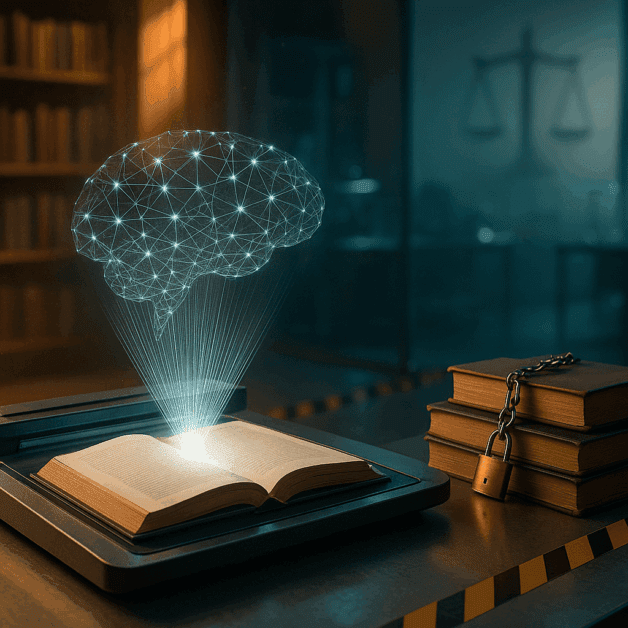
AI training on copyrighted books can qualify as fair use under the 4-factor test when the use is transformative and doesn’t substitute for the original. It becomes infringement when copying is substantial, used commercially to compete, or outputs reproduce protected expression. This article explains where courts draw the line, key factors, and practical risk for […]
Read More
The OpenAI vs. NYT Verdict Will Decide If Every News Article Is Now Free

The OpenAI vs. NYT Verdict Will Decide If Every News Article Is Now Free

The OpenAI vs. New York Times lawsuit could decide whether AI training on copyrighted news is fair use or requires licensing and payment. A ruling for either side will shape how publishers get compensated and what AI models can lawfully ingest. This article explains the claims, likely legal tests, and the internet-wide implications for news […]
Read More
1 2 3 12
Scroll to Top