Explore a comprehensive collection of resources dedicated to copyright law, including in-depth articles, video interviews with legal experts, and essential definitions that clarify complex concepts. Visitors will find valuable information on copyright protection, infringement issues, and the rights of creators, helping them navigate the intricacies of intellectual property law. Stay informed about the latest developments and best practices in copyright law to protect your creative works effectively.
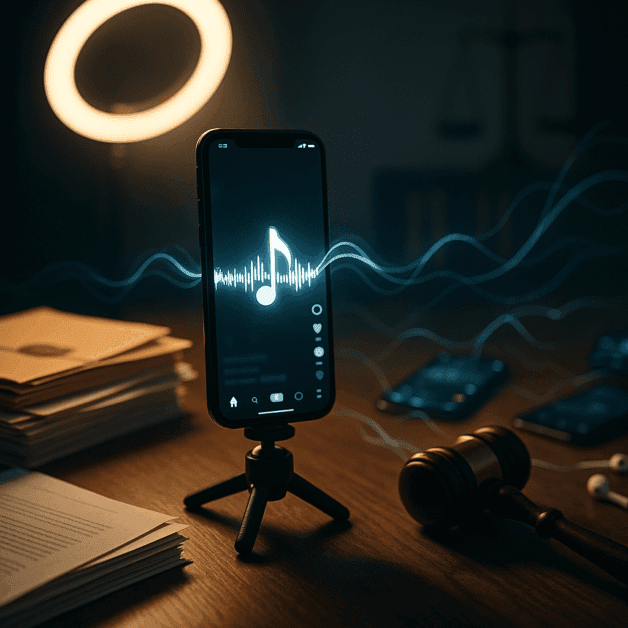
Thousands of TikTok creators are being sued for using a viral sound without securing proper music licensing, exposing them to potential statutory damages of up to $150,000 per infringed work. Lawsuits typically target videos that used copyrighted audio in monetized or promotional content beyond TikTok’s platform licenses. This article explains why the sound triggered litigation, […]
YouTube fair use is judged under a 4-factor legal test, not by a fixed time limit or “30-second rule.” Courts weigh purpose, nature, amount used, and market effect to decide if a video is lawful. This article explains each factor and illustrates outcomes with real cases and creator-focused examples. What Is Fair Use and Why […]
A DMCA takedown that actually works includes every required element under 17 U.S.C. § 512(c)(3) and is sent to the service provider’s designated DMCA agent. Missing key details—like identifying the copyrighted work, the infringing URL, or providing a proper signature and good‑faith statements—often leads to delays or rejection. This article explains what to include, how […]
In most cases, you cannot copyright a purely AI-generated image in the U.S.; the Copyright Office requires human authorship, and protection applies only to the human-created elements. Recent guidance and registration decisions reaffirm that prompts alone typically aren’t enough, while meaningful human selection, arrangement, or editing may qualify. This article explains the Office’s current position, […]
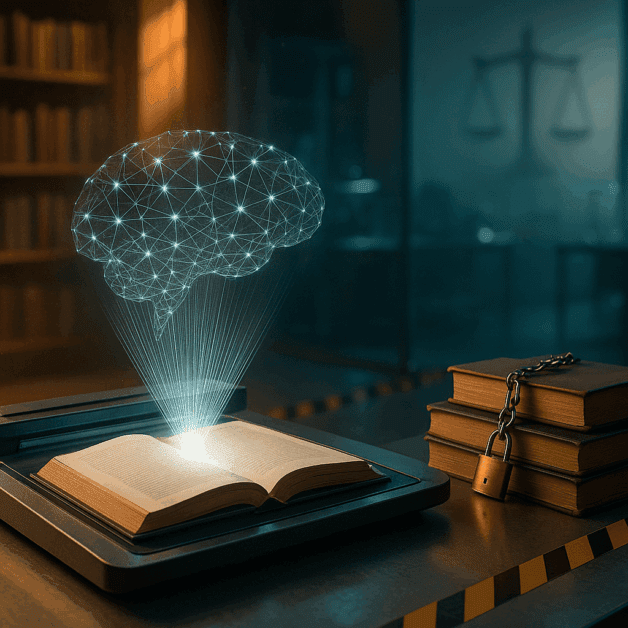
AI training on copyrighted books can qualify as fair use under the 4-factor test when the use is transformative and doesn’t substitute for the original. It becomes infringement when copying is substantial, used commercially to compete, or outputs reproduce protected expression. This article explains where courts draw the line, key factors, and practical risk for […]
A royalty is a contract-based payment—often a percentage of revenue or a fixed per-unit fee—paid to an owner for the right to use their intellectual property, natural resource, or asset. Royalties commonly apply to music, books, patents, trademarks, franchising, and oil and gas, and the rate and payment method depend on the agreement and industry. […]
A cease and desist for IP infringement is a written notice demanding a party stop unauthorized use of intellectual property or face legal action. It typically identifies the IP, describes the alleged infringement, and sets a deadline to comply. This article explains what these letters include, how to respond, and when to involve an IP […]
The DMCA is a U.S. copyright law enacted in 1998 that sets rules for online copyright enforcement, including notice-and-takedown and platform safe harbor protections. It also prohibits bypassing digital rights management (DRM) in many situations. This article explains what the DMCA does, who it affects, and how takedowns work. The Digital Millennium Copyright Act, commonly […]
Copyright infringement is the unauthorized use of a copyrighted work that violates at least 1 of the owner’s exclusive rights. It can include copying, distributing, displaying, performing, or creating derivative works without permission, unless a defense like fair use applies. This article explains copyright protection, common infringement examples, and how rights are enforced. Copyright infringement […]
Fair use is a U.S. copyright exception evaluated under 4 factors to decide if using protected material without permission is lawful. Courts weigh purpose, nature, amount used, and market effect in context, and no single factor is determinative. This article explains the four factors and common examples of fair use. Understanding Fair Use: A Copyright […]
Copyright is legal protection that automatically attaches the moment an original work is fixed in a tangible form. It gives the creator exclusive rights to copy, distribute, display/perform, and create derivative works, subject to limits like fair use. This article explains what copyright covers, how it arises, and what rights it provides. Understanding Copyright Basics […]
February 13, 2026•By Attorneys.Media Editorial Staff
Copyright law automatically protects original creative works when fixed in tangible form. Copyright laws grant exclusive rights to reproduce, distribute, and display works. Understanding copyright protection laws helps avoid copyright infringement lawsuits while recognizing copyright law exemption for fair use.