Explore a comprehensive range of resources dedicated to intellectual property law, where visitors can find insightful articles, informative video interviews with experienced attorneys, and clear legal glossary definitions. This section covers essential topics such as copyright, trademarks, patents, and trade secrets, providing valuable guidance for individuals and businesses seeking to protect their creative assets. Stay informed on the latest trends and legal developments in the field of intellectual property to safeguard your innovations effectively.
Legal infrastructure—contracts, compliance systems, IP protections, and dispute planning—is now essential for sustainable business growth and scaling. As companies expand into new markets, hire faster, and adopt new technologies, legal risk and regulatory demands increase, making proactive legal foundations a competitive advantage. This article explains the core legal building blocks, when to invest in them, […]
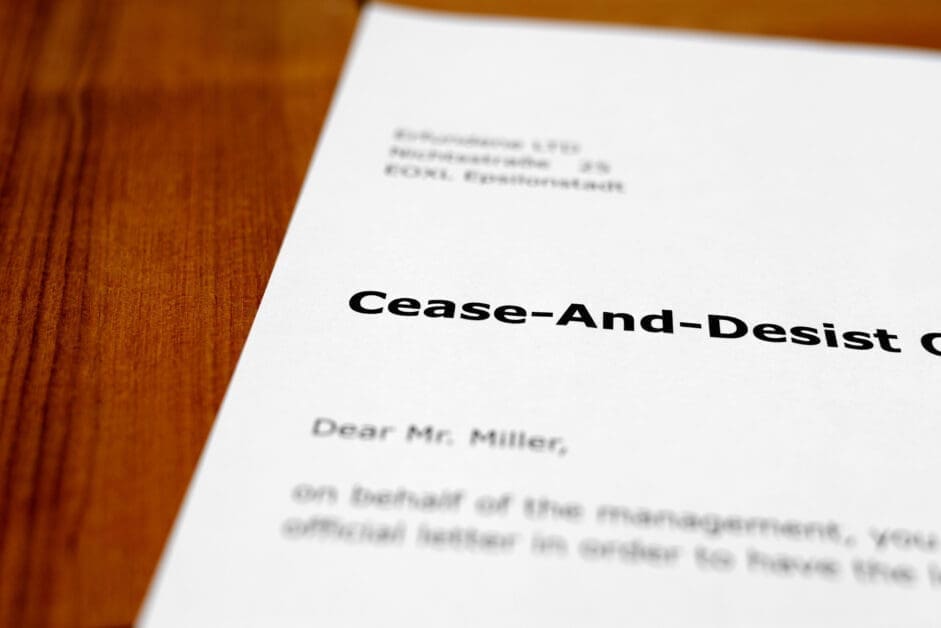
A cease and desist letter is a formal written demand to stop specific conduct and preserve your rights, but it is not a court order. It works best when it clearly states the facts, legal basis, demanded actions, and a firm deadline. This article explains when to send one, what to include, and when waiting […]
Buying an NFT typically transfers only the token, not the copyright, unless a written license or assignment says otherwise. Under U.S. law, copyright transfers must be in writing, so most NFT sales leave buyers with limited display rights at best. This article explains the key legal differences, common contract terms, and how collectors can avoid […]
In most U.S. states, the right of publicity can survive death and be enforced by your estate for decades—often 10 to 100 years, depending on the state. These postmortem rights can control (and monetize) the commercial use of a deceased person’s name, image, voice, and likeness, but the scope and duration vary widely and may […]
A UDRP domain name dispute typically takes about 60 days and starts around $1,500 in filing fees. It’s designed to recover domains registered in bad faith (cybersquatting) without going to court, if you prove trademark rights and lack of legitimate interest. This article explains the UDRP elements, process timeline, evidence, and outcomes. What Is a […]
The International Trade Court has become a leading venue for IP disputes because Section 337 cases can deliver exclusion orders that stop infringing imports at the U.S. border. This speed and leverage often outpace traditional federal court remedies and damages timelines. This article explains why businesses are choosing this forum, what claims fit, and the […]
A provisional patent application is a USPTO filing that establishes an early priority date for your invention and gives you 12 months to file a nonprovisional patent application. It’s not examined and never becomes a patent by itself, but it can let you use “patent pending” while you refine the invention or seek funding. This […]
“Patent pending” means a patent application has been filed with the USPTO (or another patent office) and is awaiting examination; it is not an issued patent. The phrase can deter copycats and preserve priority rights, but it does not grant the enforceable right to stop others until a patent is granted. This article explains what […]
Prior art is any publicly available information—like patents, publications, products, or public use—that existed before a patent’s filing (or priority) date and can affect whether an invention is patentable. It’s used by the USPTO and courts to assess novelty and nonobviousness, and it can invalidate or limit patent claims. This article explains what counts as […]
A cease and desist for IP infringement is a written notice demanding a party stop unauthorized use of intellectual property or face legal action. It typically identifies the IP, describes the alleged infringement, and sets a deadline to comply. This article explains what these letters include, how to respond, and when to involve an IP […]
Trade dress is trademark protection for a product’s overall look and feel (including packaging and design) when consumers recognize it as coming from one source. It can cover colors, shapes, layouts, and other visual features if they are distinctive and nonfunctional. This article explains what trade dress is, what it protects, and how rights are […]
Patent infringement is the unauthorized making, using, selling, offering for sale, or importing of a patented invention, typically during a 20-year patent term. It can expose the infringer to injunctions and monetary damages if the patent’s claims are proven and infringement is shown. This article explains what infringement is, common examples, and how disputes are […]