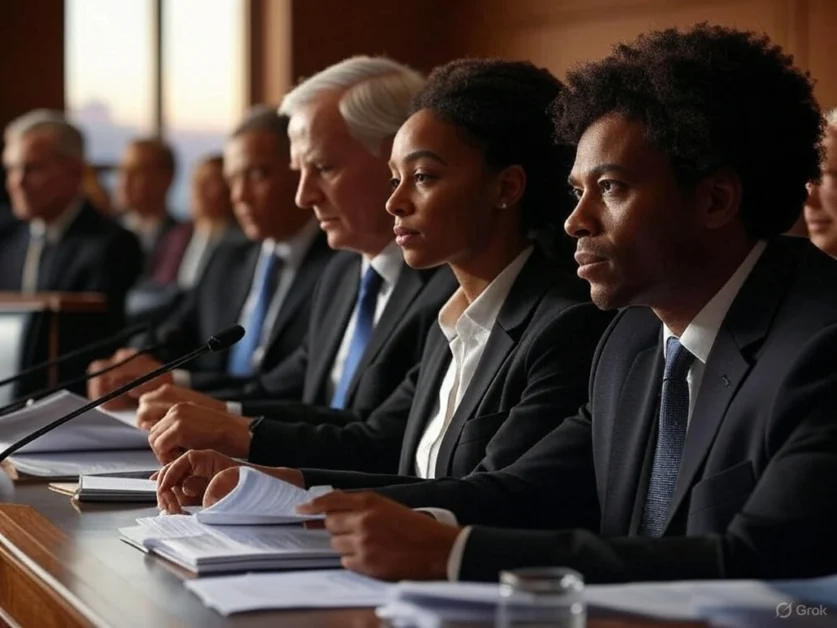
Explore a comprehensive range of content focused on essential legal procedures, including detailed explanations of court processes, filing techniques, and case management strategies. Visitors will find informative articles, video interviews with experienced attorneys, and practical resources designed to demystify the legal system. Whether you are seeking guidance on civil litigation, criminal defense, or family law matters, our curated materials provide valuable insights to help you navigate legal challenges effectively.
Expedited removal lets DHS deport certain non-citizens without an immigration judge hearing, with review largely limited to credible-fear screening and narrow habeas claims. That streamlined process can sharply curtail notice, counsel access, and meaningful appeal compared to standard removal proceedings. This article explains who can be placed in expedited removal, what due process protections remain, […]
Due process in remote court proceedings can be constitutional if courts provide notice, meaningful participation, and reliable access to evidence and counsel under the 5th and 14th Amendments. Key risks include tech barriers, weakened confrontation, and confidentiality issues, so judges often use access checks, interpreters, and secure platforms to protect fairness. This article explains major […]
Students facing suspension or expulsion are entitled to due process—at minimum, notice of the charges and an opportunity to respond. Greater discipline (typically 10+ days or expulsion) generally requires more formal procedures, and IDEA/504 cases add protections. This article explains key constitutional standards, hearings, appeals, and when to consult counsel. The intersection of constitutional protections […]
Technology is changing due process requirements by expanding what courts must review, including digital evidence, AI risk scores, and algorithmic decisions in 50 U.S. jurisdictions. These tools raise new fairness issues around notice, transparency, accuracy, bias, and the ability to challenge government action. This article explains the constitutional impacts and emerging standards for tech-driven procedures. […]
Due process violations can be remedied through four main paths: suppression of illegally obtained evidence, reversal/appeal, injunctive relief, and monetary damages under 42 U.S.C. §1983 (and sometimes Bivens). The right remedy depends on whether the harm arises in a criminal case, civil proceeding, or administrative action and on immunity limits. This article explains standards, procedures, […]
U.S. law protects free speech in schools under the First Amendment, guided by at least four major Supreme Court standards (Tinker, Bethel, Hazelwood, Morse). Schools may restrict student speech that materially disrupts learning, is lewd, appears school-sponsored, or promotes illegal drug use. This article explains the rules, exceptions, and real-world examples. The question of how […]
Yes—non-citizens on U.S. soil are protected by the Fifth Amendment’s Due Process Clause, which applies to “persons,” not just citizens. At minimum, the government must provide notice and a meaningful opportunity to be heard before depriving liberty (with limits in certain immigration contexts). This article explains the governing Supreme Court framework, key exceptions, and how […]
Civil asset forfeiture can occur without a criminal conviction, but due process generally requires timely notice, a meaningful opportunity to be heard, and procedures that limit wrongful deprivation of property. These protections vary by jurisdiction and often turn on deadlines, burdens of proof, and access to counsel. This article explains key constitutional and statutory due […]
International due process rights differ widely across more than 190 countries, but most systems recognize core protections like notice, a hearing, and an impartial tribunal. The exact safeguards and enforcement vary by legal tradition, constitutions, and human-rights treaty commitments. This article compares global approaches to procedural fairness and the tradeoffs between individual rights and state […]
You can bring 3 main legal actions against educational censorship: First Amendment (speech/access to information), Fourteenth Amendment due process/equal protection, and state law claims, often seeking an injunction. Complaints may also use open-records laws to uncover improper motives and build evidence for litigation or appeals. This article explains who has standing, what claims fit common […]
Due process in administrative hearings generally requires timely notice of the case against you and a meaningful opportunity to be heard by an impartial decision-maker. These baseline protections help ensure agencies make fair, lawful decisions when determining benefits, licenses, penalties, or other rights and obligations. This article explains core due process requirements, common hearing procedures, […]
Due process challenges in digital evidence collection most often arise when law enforcement searches devices or cloud accounts without proper warrants, exceeds a warrant’s scope, or withholds exculpatory data. Because digital records are vast, easily altered, and frequently held by third parties, mistakes in preservation, chain of custody, and disclosure can undermine fairness. This article […]