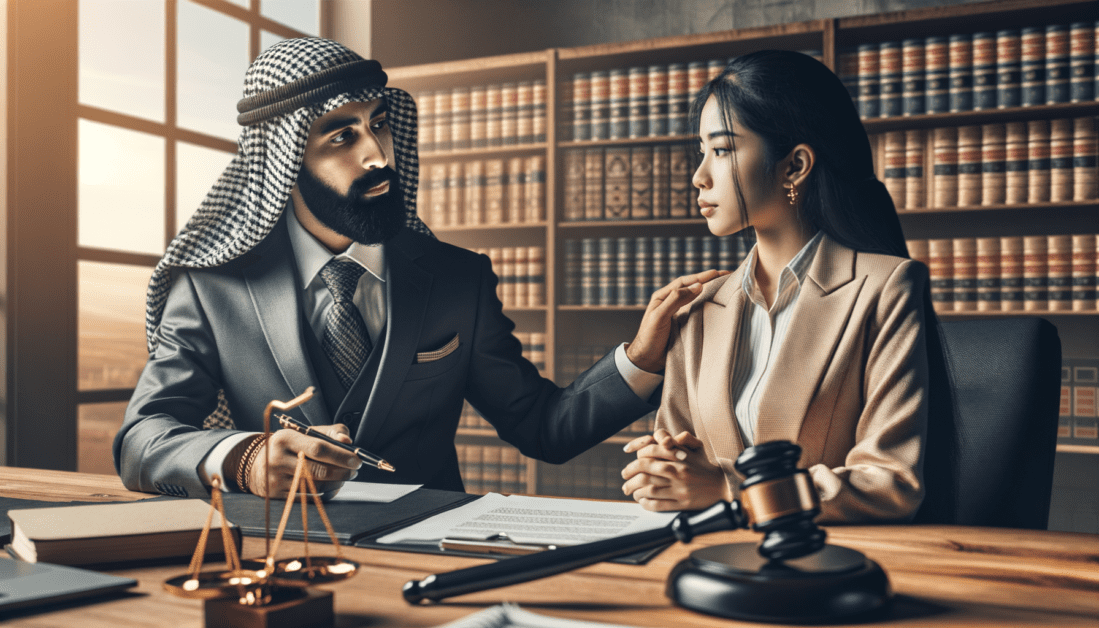
Civil Law

<a href="https://attorneys.media"><img class="aligncenter size-full wp-image-32258" src="http://attorneys.media/wp-content/uploads/2023/12/civil-law.jpg" alt="Navigating the Intricacies of Civil Law: Professional Legal Settings Explored" width="1024" height="1024" /></a> <strong>Civil Law: Navigating the Intricacies of Non-Criminal Legal Systems</strong> Civil law, a pivotal aspect of the legal system, guides non-criminal legal disputes, shaping the foundation of societal interactions. This comprehensive overview delves into its significance, offering practical advice for navigating civil cases. <strong>Understanding Civil Law's Role in Society</strong> Civil law, distinct from criminal law, addresses disputes between individuals or organizations. Its domain includes contract law, property issues, and family law, emphasizing the resolution of conflicts and the restoration of rights. In civil law, the plaintiff seeks recompense or relief from a defendant, unlike criminal law where the state prosecutes the accused for societal harm. <strong>Key Elements in Civil Law Cases</strong> Civil cases typically involve the assertion of rights or seeking remedies. Essential components include: <ul> <li><strong>Contractual Disputes:</strong> Arising from disagreements over the terms or execution of a contract.</li> <li><strong>Property Matters:</strong> Encompassing issues like ownership, rights, and real estate transactions.</li> <li><strong>Family Law:</strong> Covering marriage, divorce, child custody, and related personal matters.</li> </ul> <strong>Effective Strategies for Civil Law Litigation</strong> Navigating civil law requires strategic planning and legal knowledge. Key strategies include: <ul> <li><strong>Understanding Legal Rights:</strong> Comprehending one's legal position is crucial for effective advocacy.</li> <li><strong>Evidence Gathering:</strong> Collecting relevant documentation and witness statements strengthens the case.</li> <li><strong>Legal Representation:</strong> Engaging with knowledgeable attorneys offers guidance through complex legal processes.</li> </ul> <strong>The Role of Mediation in Civil Law</strong> Mediation, an alternative dispute resolution method, plays a significant role in civil law. It involves a neutral third party aiding disputing parties in reaching a mutually satisfactory agreement, often leading to quicker, cost-effective solutions. <strong>Impact of Civil Law on Society</strong> Civil law's influence extends beyond courtrooms. It shapes societal norms, influencing how individuals and organizations interact and resolve disputes. Its fair and structured approach ensures that personal and property rights are respected and protected. <strong>Staying Informed and Prepared in Civil Law Matters</strong> Remaining updated on civil law advancements and understanding legal rights are key to navigating this legal arena successfully. Individuals facing civil law issues should consider consulting legal professionals to ensure informed decision-making and effective resolution of disputes. <strong>Conclusion</strong> Civil law, a cornerstone of the legal system, is integral in resolving non-criminal disputes. By understanding its principles and seeking professional advice, individuals can navigate civil law effectively, ensuring their rights and interests are protected.

222 posts

What is a defendant?

What is a defendant?

A defendant is the person or entity accused of wrongdoing in a criminal case or sued in a civil lawsuit. Defendants can be individuals, businesses, or government bodies, and their rights and obligations vary by jurisdiction and case type. This article explains the definition of a defendant, the differences between criminal and civil defendants, and […]
Read More
What is standing?

What is standing?

Standing is the legal requirement that you have a sufficient personal stake in a dispute—typically a concrete injury caused by the defendant that a court can remedy—before you can sue. Without standing, courts generally must dismiss the case for lack of jurisdiction, even if the underlying issue is important. This article explains the elements of […]
Read More
What is venue?

What is venue?

Venue is the legally proper location—usually a specific county or federal district—where a lawsuit must be filed and heard. Courts determine venue based on factors like where the parties reside, where a contract was performed, or where the events giving rise to the claim occurred. This article explains what venue means, how it differs from […]
Read More
What is jurisdiction?

What is jurisdiction?

Jurisdiction is a court’s legal authority to hear a case and issue binding decisions over the people involved and the subject matter. In the U.S., jurisdiction commonly turns on where the parties are located, where the events happened, and whether the court has subject-matter power under state or federal law. This article explains the main […]
Read More
What is a civil lawsuit?

What is a civil lawsuit?

A civil lawsuit is a legal case where one party sues another for compensation or a court order, not criminal punishment. Most civil claims are resolved through settlement before trial, but the process still follows formal rules and deadlines. This article explains what qualifies as a civil case, common types of claims, the step-by-step litigation […]
Read More
What is a bench trial?

What is a bench trial?

A bench trial is a court trial decided by a judge rather than a jury. It’s common in many civil cases and can also occur in criminal cases when a defendant waives the right to a jury trial, typically subject to court approval. This article explains how bench trials work, key differences from jury trials, […]
Read More
What is voir dire?

What is voir dire?

Voir dire is the jury-selection process where judges and attorneys question potential jurors to identify bias and ensure an impartial jury. It occurs before trial in both criminal and civil cases and can lead to jurors being removed for cause or through limited peremptory challenges. This article explains what voir dire means, how it works […]
Read More
What is a subpoena?

What is a subpoena?

A subpoena is a legally binding court order requiring you to testify, provide documents, or both—ignoring it can lead to penalties such as contempt of court. Subpoenas are commonly issued in criminal and civil cases and may come from a court, attorney, or government agency depending on the jurisdiction. This article explains what a subpoena […]
Read More
What is a mistrial?

What is a mistrial?

A mistrial is when a judge ends a trial early without a verdict, usually because a serious legal error, juror problem, or prejudicial event makes a fair decision impossible. It can be declared on a party’s motion or by the court, often meaning the case may be retried. This article explains what triggers a mistrial, […]
Read More
Scroll to Top