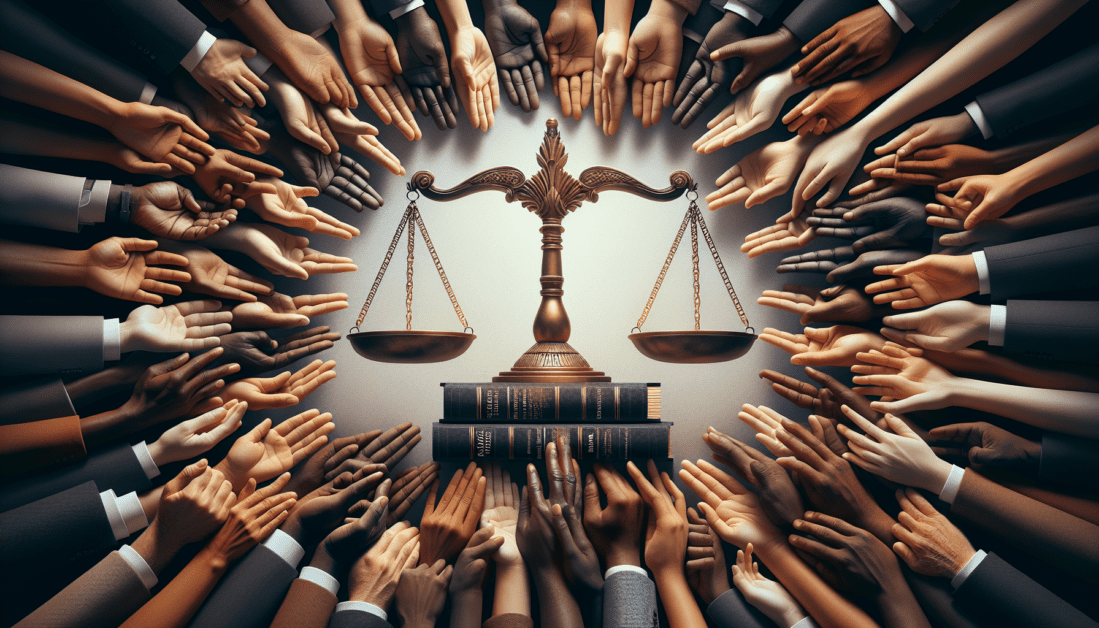
Explore a wealth of resources focused on the protection and enforcement of individual freedoms and rights guaranteed by the Constitution and federal laws. Visitors will find insightful video interviews with civil rights attorneys, comprehensive articles on topics like discrimination, free speech, and equal protection, as well as a detailed glossary of key legal terms. This category serves as a vital tool for anyone seeking authoritative information on civil liberties and justice in the United States.
To prove workplace bias, you generally need evidence showing you’re in a protected class, you suffered an adverse job action, and the decision was motivated by discrimination—often supported by documents, comparator proof, and witness testimony. Strong cases include a clear timeline, consistent records (emails, reviews, policies), and examples of similarly situated coworkers being treated more […]
A student rights violation occurs when a school unlawfully interferes with a student’s legally protected rights—such as free speech, due process, equal protection, or disability accommodations—under the U.S. Constitution and federal laws like Title IX and the ADA. These violations often arise in discipline, bullying and harassment responses, searches and seizures, and special education services. […]
Title IX is a 1972 federal civil rights law that prohibits sex discrimination in any education program or activity receiving federal funding. It applies to K–12 schools and colleges, covering athletics, academics, admissions, and sexual harassment/assault procedures. This article explains the basics of Title IX, who it protects, and how enforcement works. Title IX is […]
Police brutality is the unlawful or excessive use of force or power by law enforcement against a person, violating constitutional or civil rights. It can include physical violence, unnecessary restraints, threats, sexual misconduct, or abusive tactics during stops, arrests, or detention. This article defines police brutality, explains common examples and warning signs, outlines key legal […]
Section 1983 (42 U.S.C. § 1983) is a federal civil rights law that allows individuals to sue state or local officials for constitutional violations. It provides a cause of action in federal court to seek damages and other relief for misconduct under color of law. This article explains the basics, who can be sued, common […]
Qualified immunity is a legal doctrine that often shields police officers and other government officials from personal liability for civil damages unless they violated “clearly established” constitutional or statutory rights. Courts apply it early in lawsuits, and many cases are dismissed if no prior precedent closely matches the facts. This article explains how qualified immunity […]
Civil rights are legal protections that guarantee equal treatment and freedom from discrimination for every person. They safeguard participation in public life, including voting, employment, housing, education, and access to public services. This article explains core civil rights protections, key categories, and how they are enforced. Understanding Civil Rights Civil rights are the basic rights […]
Jurisdiction is a court’s legal authority to hear a case and issue binding decisions over the people involved and the subject matter. In the U.S., jurisdiction commonly turns on where the parties are located, where the events happened, and whether the court has subject-matter power under state or federal law. This article explains the main […]
February 27, 2026•By Attorneys.Media Editorial Staff
Civil rights litigation barriers have created an uneven playing field where financial constraints, complex procedures, and intellectual property litigation tactics prevent many valid cases from reaching resolution, leaving justice inaccessible for those who need it most.
February 14, 2026•By Attorneys.Media Editorial Staff
Federal civil rights law protects Americans from discrimination through constitutional amendments and statutes. Section 1983 civil rights claims allow individuals to sue government officials for violations, while Indian Civil Rights Act requirements extend protections to tribal members despite civil rights litigation barriers.
February 11, 2026•By Attorneys.Media Editorial Staff
Federal law forms the backbone of the U.S. legal system, establishing nationwide rules enforced by federal law enforcement agencies. Understanding Federal Law, State vs Federal Law differences, and federal civil rights law helps citizens navigate their rights and responsibilities under federal laws that apply across all 50 states.