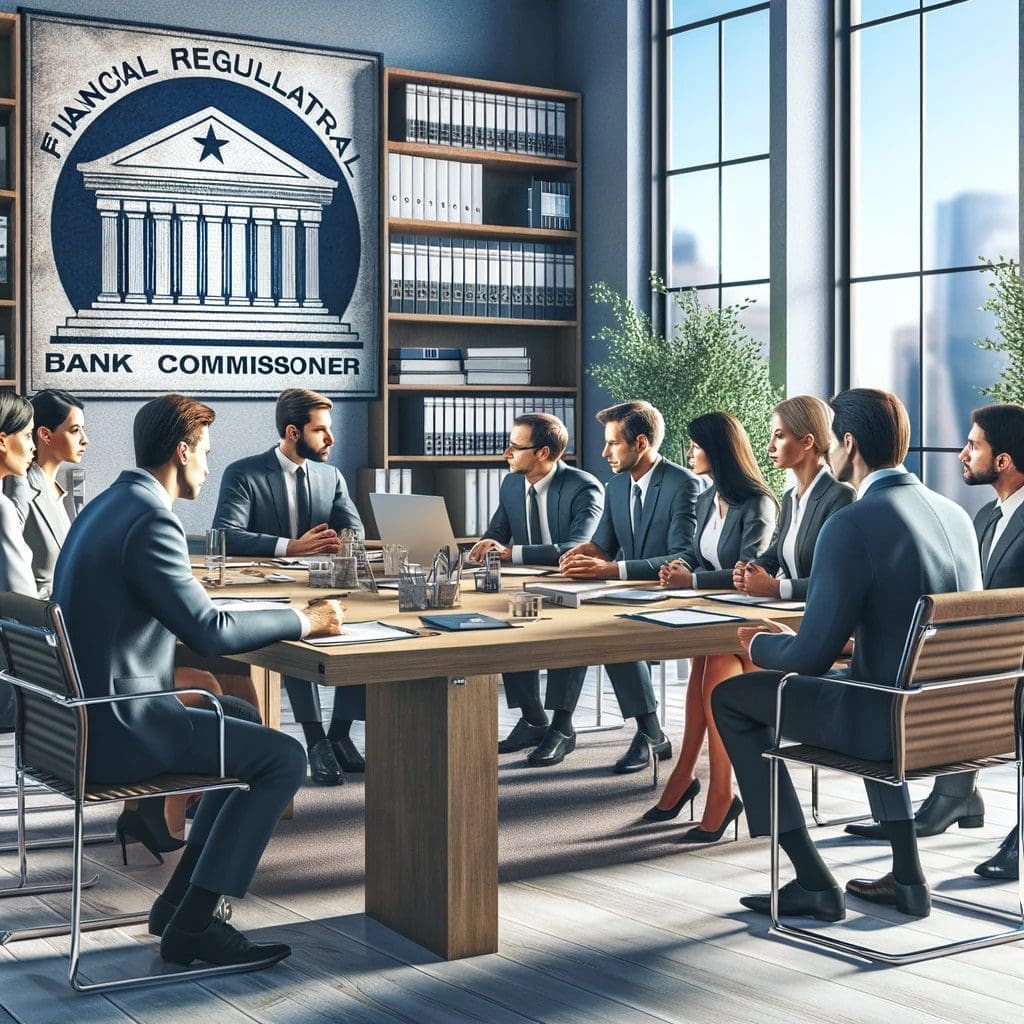
Bank Fraud

<a href="https://attorneys.media"><img class="aligncenter size-full wp-image-32341" src="http://attorneys.media/wp-content/uploads/2023/12/Bank-Fraud.jpg" alt="Expert Legal Counsel in Handling Bank Fraud Charges" width="1024" height="1024" /></a> <strong>Strategies for Defending Against Bank Fraud Charges: A Legal Perspective</strong> Bank fraud, defined as the act of using illegal means to obtain money or assets from a bank or other financial institution, is a serious criminal offense. This detailed 500-word article offers an in-depth look at the legal intricacies of bank fraud cases and underscores the importance of specialized legal counsel. <strong>Understanding Bank Fraud</strong> Bank fraud encompasses a wide range of activities, from forging checks to orchestrating complex schemes like loan fraud or credit card fraud. These acts typically involve deception, misrepresentation, or the exploitation of financial systems to illicitly acquire funds. Understanding the specific legal definitions and implications of each type of bank fraud is crucial, particularly for those facing such charges. <strong>The Role of Legal Experts in Bank Fraud Cases</strong> Legal professionals with expertise in financial crime play an essential role in bank fraud cases. Their responsibilities include a thorough analysis of the charges, evaluation of the evidence presented, and the development of an effective defense strategy. These attorneys possess a deep understanding of financial laws and are adept at navigating the complexities of such cases. <strong>Defense Strategies in Bank Fraud Cases</strong> Developing a defense in bank fraud cases often hinges on challenging the evidence's credibility, disputing the accused's intent to commit fraud, or highlighting procedural errors during the investigation. Defense lawyers may also scrutinize the methods employed by financial investigators, seeking any oversights or biases that could weaken the prosecution's case. <strong>The Importance of Early Legal Intervention</strong> Securing legal representation early in the process of a bank fraud investigation is vital. Prompt legal intervention can influence the course of the investigation, potentially leading to a reduction in charges or the prevention of formal charges being filed. Early involvement of a defense attorney ensures that the rights of the accused are protected from the outset. <strong>Potential Penalties and Consequences</strong> Convictions for bank fraud can result in severe penalties, including long-term imprisonment and substantial fines. The severity of these penalties typically depends on factors such as the amount of money involved, the methods used to perpetrate the fraud, and the defendant's prior criminal history. Expert legal representation is critical in mitigating these penalties, particularly in negotiating plea deals or alternative sentencing arrangements. <strong>Navigating Plea Bargains and Sentencing</strong> In cases where the evidence against an individual is strong, defense attorneys might negotiate plea bargains. These deals can involve pleading guilty to lesser charges in exchange for reduced sentences. Experienced lawyers work diligently to negotiate the best possible terms for their clients, always with an eye on minimizing the impact on their clients' lives. <strong>Legal Representation Through Trial</strong> If a bank fraud case proceeds to trial, having a knowledgeable attorney is indispensable. The lawyer's role extends to presenting evidence, cross-examining witnesses, and crafting compelling arguments that underscore the weaknesses in the prosecution's case. The goal is always to ensure a fair trial and the best possible outcome for the client. <strong>Conclusion</strong> Facing bank fraud charges can be a complex and intimidating experience. However, with the guidance of an experienced legal team, individuals accused of bank fraud can effectively navigate these challenges. Skilled legal representation provides the necessary support, from understanding the charges to developing robust defense strategies, ensuring the best possible defense in these high-stakes cases.

34 posts
White Collar Crime Defense: Strategies and Consequences

White Collar Crime Defense: Strategies and Consequences

White collar crime convictions can result in years of prison time and fines reaching millions of dollars, depending on the charge and loss amount. Early counsel, document control, and targeted negotiation are core defense strategies that can limit exposure. This article explains common white collar offenses, defense approaches, and potential legal consequences. In the realm […]
Read More
Fraud Charges: Types, Penalties, and Defense Strategies

Fraud Charges: Types, Penalties, and Defense Strategies

Fraud charges cover multiple crimes, and penalties can range from fines and restitution to years in prison depending on the amount, victims, and statute. Prosecutors must prove a knowing scheme to deceive, while defenses often attack intent, reliance, and evidentiary weaknesses. This article outlines common fraud types, sentencing exposure, and practical defense strategies. In the […]
Read More
Sam Bankman-Fried Sentenced: FTX Bankruptcy Court Approves Reorganization Plan

Sam Bankman-Fried Sentenced: FTX Bankruptcy Court Approves Reorganization Plan

Sam Bankman-Fried was sentenced to 25 years in prison, as the FTX bankruptcy court approved a reorganization plan. Together, these milestones advance creditor repayment efforts and signal tougher scrutiny of crypto exchanges after the FTX collapse. This article explains the sentencing, the plan approval, and what it means for investors and the crypto industry. The […]
Read More
What Are Insurance Fraud Laws in United States?

What Are Insurance Fraud Laws in United States?

Insurance fraud is illegal in every U.S. state and can be prosecuted as a misdemeanor or felony, often carrying fines, restitution, and potential jail or prison time. Laws vary by jurisdiction, but most prohibit knowingly submitting false claims, misrepresenting facts on applications, staging losses, or billing for services not provided. This article explains key federal […]
Read More
Protect Your Bank Account: The Critical Bank-Statement Rule You Need to Know

Protect Your Bank Account: The Critical Bank-Statement Rule You Need to Know

Most banks must follow the “60-day rule,” meaning you generally have 60 days from when your statement is sent to report unauthorized transactions or errors to preserve key protections. Missing that deadline can reduce your ability to recover funds, even if the charge wasn’t yours. This article explains the bank-statement rule, when the clock starts, […]
Read More
Banker’s Notes Unveiled: Legal and Financial Insights for Professionals

Banker’s Notes Unveiled: Legal and Financial Insights for Professionals

A banker’s note is a short-term, bank-issued debt instrument used to raise funds and manage liquidity, typically backed by the issuing bank’s credit and governed by securities and banking regulations. For professionals, its legal treatment can affect disclosure duties, enforceability, risk allocation, and compliance across jurisdictions. This article explains how banker’s notes work, key regulatory […]
Read More
Bank Account Trusts: Balancing Legal Duties and Beneficiary Rights

Bank Account Trusts: Balancing Legal Duties and Beneficiary Rights

A bank account trust (Totten trust) passes the account balance directly to the named beneficiary at death, typically avoiding probate. The depositor keeps full control during life, but withdrawals or changes can trigger fiduciary, fraud, or undue influence disputes. This article explains legal duties, beneficiary rights, and civil/criminal risks in setting up and contesting these […]
Read More
Exploring the Role of Bank Commissioners in Banking Regulation and Consumer Protection

Exploring the Role of Bank Commissioners in Banking Regulation and Consumer Protection

A bank commissioner is a state-appointed regulator who supervises banks and enforces state banking laws to protect consumers and financial stability. They license institutions, conduct examinations, investigate misconduct, and can issue administrative orders and penalties. This article explains core duties, civil/criminal enforcement touchpoints, and consumer protection impacts. The role of a Bank Commissioner is integral […]
Read More
Navigating the Legal Landscape of Bank Credit: Rights and Responsibilities

Navigating the Legal Landscape of Bank Credit: Rights and Responsibilities

Bank credit is regulated by federal rules like the FTC Credit Practices Rule and carries criminal exposure when used for fraud or theft. Consumers have enforceable rights to fair lending, accurate reporting, and lawful collection practices, while borrowers must comply with contract terms. This article explains the civil protections, regulatory framework, and criminal implications of […]
Read More
Understanding Legal Aspects of Bank Deposits: Civil and Criminal Implications

Understanding Legal Aspects of Bank Deposits: Civil and Criminal Implications

Bank deposits are governed mainly by UCC Articles 3 and 4 and can trigger both civil liability and criminal charges for fraud or theft. Civil disputes often involve unauthorized withdrawals, check/payment errors, and restitution, while criminal cases focus on intent and unlawful taking. This article explains key rules, common claims, defenses, and practical implications for […]
Read More
Mastering Legal Compliance: A Comprehensive Guide to Bank Prospectus Integrity

Mastering Legal Compliance: A Comprehensive Guide to Bank Prospectus Integrity

A bank prospectus must present complete, accurate, and non-misleading disclosures to avoid civil damages and potential criminal charges for fraud. Liability can attach to issuers, directors, underwriters, and advisers when material misstatements or omissions occur and due diligence is lacking. This article explains disclosure standards, due diligence steps, and controls to maintain prospectus integrity. In […]
Read More
Navigating Bank Receivership: A Comprehensive Legal Guide

Navigating Bank Receivership: A Comprehensive Legal Guide

Bank receivership occurs when a regulator appoints a receiver to take control of a distressed bank and wind down or resolve it. The receiver marshals assets, pays claims in statutory priority, and protects insured deposits while enforcing civil and, where warranted, criminal remedies. This article explains the receiver’s role, creditor and depositor rights, key timelines, […]
Read More
Scroll to Top