Explore a comprehensive range of resources related to insurance law, where visitors can find informative articles, expert video interviews with attorneys, and detailed legal glossary definitions. This category covers essential topics such as policy disputes, claims processes, and understanding various types of insurance, empowering individuals to make informed decisions about their legal rights. Stay updated with the latest insights and expert advice in the ever-evolving field of insurance law.
September 16, 2026•Published with permission from Lerner and Rowe Law FirmArizona, Nevada, Illinois, Indiana, Tennessee, New Mexico, Washington and Oregon
A serious accident can produce an uncomfortable mismatch. The injured person may face months of medical treatment, lost income, rehabilitation, or permanent changes in the ability to work. Meanwhile, the person who caused the accident may have an insurance policy with a fixed limit that does not come close to covering those losses. That does […]
Preparing your divorce documents is crucial, and it’s also a process that a lot of people overlook. They find it to be very simplistic at first. But the truth is that it could become very challenging if you don’t grab all the necessary documents. Hence the reason why you want to know exactly what documents […]
Most first insurance settlement offers are lower than a claim’s full value because insurers aim to close cases quickly and cheaply. Before accepting, confirm it covers medical costs, lost income, future care, and pain and suffering, and understand what rights you waive. This article explains key settlement terms and when to consult a lawyer in […]
Commercial truck crashes often involve 3+ responsible entities: the driver, motor carrier, and a leasing or dispatch company. Leases and dispatch agreements can shift control and reveal hidden insurance layers beyond the driver’s policy. This article explains how trucking contracts and coverage documents affect liability and recovery after a semi-truck collision. When a passenger vehicle […]
Phone records and vehicle “black box” data are now central evidence in many car accident investigations, often revealing speed, braking, location, and potential distraction at the moment of impact. Insurers and attorneys increasingly rely on this digital trail when fault is disputed and eyewitness accounts conflict. This article explains what data may be available, how […]
You can file a personal injury claim without a lawyer by documenting the accident, proving fault and damages, and submitting a demand to the at-fault party’s insurer before your state’s statute of limitations expires. Success typically depends on strong evidence—medical records, bills, photos, witness statements—and careful negotiation to avoid low settlements. This article explains each […]
Before filing a personal injury claim in Las Vegas, ask whether you can prove negligence, document your injuries and costs, and file within Nevada’s deadlines. Nevada generally gives you **2 years** to sue for injury, and your compensation may be reduced under the state’s comparative negligence rules. This article walks through the key questions about […]
In Oklahoma City, most personal injury settlement proceeds can be protected from creditors, but the exemption depends on what the payment compensates (e.g., medical bills, lost wages, pain and suffering) and how the funds are handled. Oklahoma exemption laws and creditor rules can still allow garnishment of certain portions or expose money once it’s mixed […]
Most personal injury lawsuits take 6–18 months, and complex cases can exceed 2 years due to treatment, insurance negotiations, and court scheduling. Delays often happen while injuries stabilize, records and expert opinions are gathered, and insurers dispute liability or damages. This article explains the most common causes of personal injury case delays and what to […]
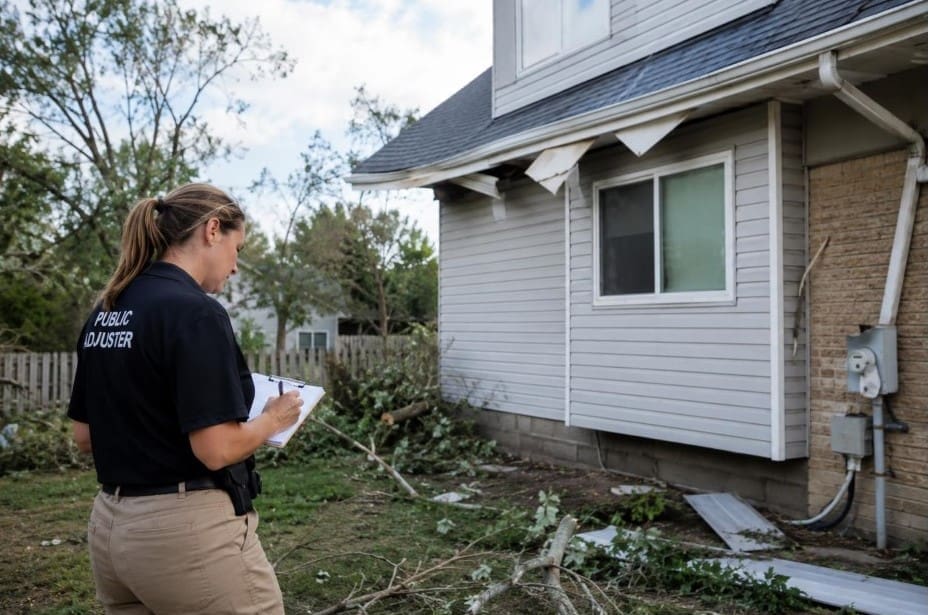
Ohio homeowners insurance rates rose 10.9% in 2024 after a 10.2% jump in 2023, while the state logged 74 tornadoes. Those pressures can lead to tighter claim payouts, and the insurer’s adjuster represents the insurer—not you. This article explains how a public adjuster in Ohio can document damage, challenge valuations, and negotiate a fair settlement. […]
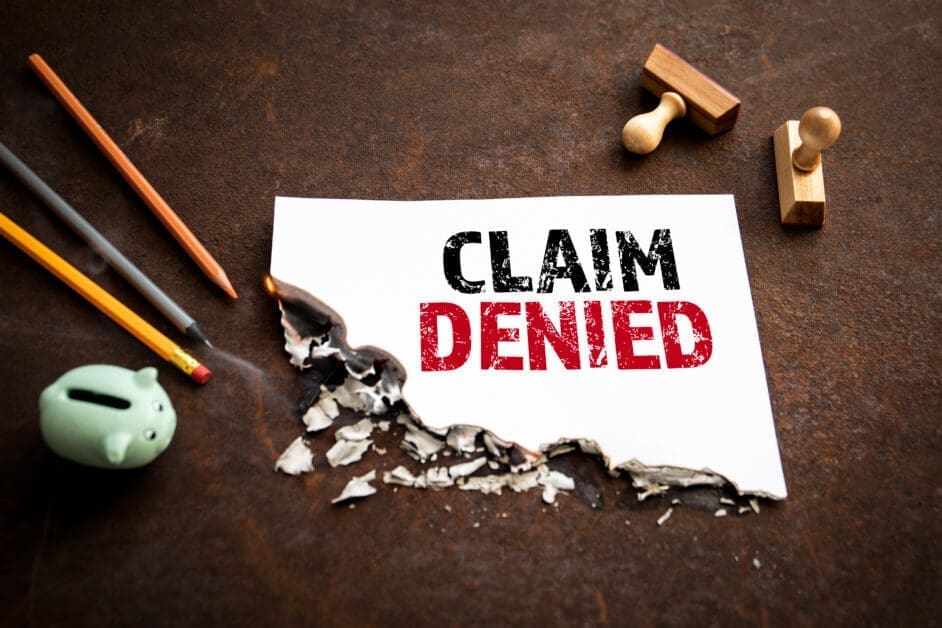
Most denied insurance claims can be overturned if you appeal within the policy’s deadline and submit missing proof, because many denials hinge on exclusions, notice, or documentation. Insurers often issue an initial denial as a starting position, not the final word. This article explains common denial reasons, how to fix them, and when to involve […]
Most personal injury settlements are paid as a single lump sum, often within 30–60 days after signing and processing. But medical liens, subrogation claims, fees, and future care costs can shrink the net amount you actually take home. This article explains those overlooked factors and how insurers negotiate so you can evaluate a settlement before […]