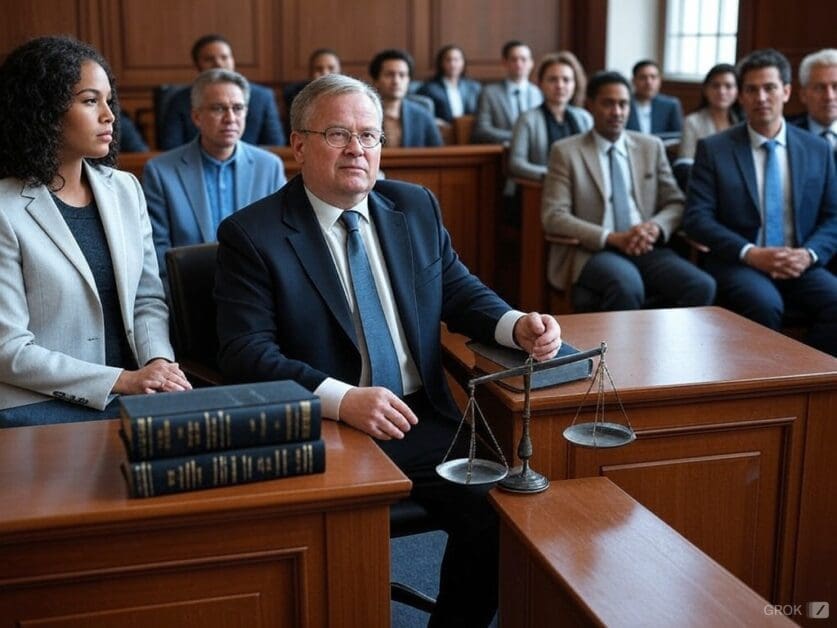
Criminal Justice System

Explore a comprehensive range of content related to the criminal justice system, including insightful articles, expert video interviews with attorneys, and detailed legal glossary definitions. Visitors will find valuable resources covering various aspects of criminal law, including defense strategies, sentencing guidelines, and the roles of law enforcement and the judiciary. Stay informed with in-depth discussions on current trends and important issues within the legal framework of criminal justice.

165 posts
Transferred Intent: Unintended Victims in Criminal Law

Transferred Intent: Unintended Victims in Criminal Law

Transferred intent lets prosecutors apply a defendant’s intent toward one person to the actual victim harmed, even if the victim was unintended. It most often arises in assault, battery, and homicide cases where a misdirected act injures another. This article explains how the doctrine works, key limits, and common defenses. The doctrine of transferred intent […]
Read More
Pretrial Diversion: Alternatives to Traditional Prosecution

Pretrial Diversion: Alternatives to Traditional Prosecution

Pretrial diversion programs can allow eligible defendants to avoid a criminal conviction by completing a court-approved program instead of prosecution. Availability and eligibility vary by jurisdiction and typically involve supervision, treatment, classes, restitution, and dismissal upon successful completion. This article explains how diversion works, who qualifies, benefits, and key risks. In the realm of criminal […]
Read More
Criminal Defense Attorney: Building a Strong Defense Strategy

Criminal Defense Attorney: Building a Strong Defense Strategy

A criminal defense attorney typically builds a strong defense using 5 core steps: investigation, evidence analysis, legal motions, negotiation, and trial preparation. This process protects constitutional rights and challenges the prosecution’s case at every stage. This article explains each component and how they combine into an effective defense strategy. In the realm of criminal law, […]
Read More
Diversion Programs: Avoiding Criminal Convictions

Diversion Programs: Avoiding Criminal Convictions

Diversion programs can let eligible defendants avoid a criminal conviction by completing court-approved requirements instead of proceeding to trial or sentencing. They typically involve treatment, counseling, community service, restitution, or education, and successful completion may lead to dismissed or reduced charges. This article explains how diversion works, who may qualify, common program terms, key deadlines, […]
Read More
Hearsay Evidence: Exceptions in Criminal Trials

Hearsay Evidence: Exceptions in Criminal Trials

Hearsay is generally inadmissible in criminal trials, but courts routinely admit it under well-defined exceptions when reliability and necessity are shown. These exceptions can determine whether key out-of-court statements reach the jury and may raise Confrontation Clause issues for the defense. This article explains what counts as hearsay, outlines major criminal-trial exceptions, and shows how […]
Read More
Duress Defense: Committing Crimes Under Threat

Duress Defense: Committing Crimes Under Threat

The duress defense can excuse a criminal act when a defendant committed it under an immediate threat of death or serious bodily harm. Courts generally require proof the threat was imminent and that a reasonable person would have felt compelled, with notable limits depending on the charge and jurisdiction. This article explains the elements, common […]
Read More
Jury Nullification: When Juries Ignore the Law

Jury Nullification: When Juries Ignore the Law

Jury nullification occurs when a jury returns a not guilty verdict even though the prosecution proved guilt beyond a reasonable doubt. It’s not a formal legal right jurors are told about, but it can happen because juries generally can’t be punished for verdicts. This article explains what it is, its historical use, and key legal […]
Read More
Probable Cause: Standard for Arrests and Searches

Probable Cause: Standard for Arrests and Searches

Probable cause requires facts that would lead a reasonable person to believe a crime occurred or evidence will be found, allowing a warrant or certain warrantless action. It is the Fourth Amendment threshold for lawful arrests, searches, and seizures and is more than a hunch but less than proof beyond a reasonable doubt. This article […]
Read More

Probable Cause: Standard for Arrests and Searches

Probable cause requires specific facts that would lead a reasonable person to believe a crime occurred or evidence will be found. Courts assess the totality of the circumstances, including officer observations, witness tips, and reliability. This article explains probable cause for arrests and searches, warrants, exceptions, and how challenges work.
Read More
Exclusionary Rule: Keeping Illegal Evidence Out of Court

Exclusionary Rule: Keeping Illegal Evidence Out of Court

The exclusionary rule generally bars evidence obtained in violation of the Fourth Amendment from being used in a criminal trial. Courts apply it to deter unlawful searches and seizures, but allow exceptions like good faith, inevitable discovery, and independent source. This article explains what the rule is, when it applies, and the main exceptions. The […]
Read More
Presumption of Innocence: Cornerstone of Criminal Justice

Presumption of Innocence: Cornerstone of Criminal Justice

In U.S. criminal courts, the presumption of innocence requires the prosecution to prove guilt beyond a reasonable doubt. This rule places the burden of proof on the government and protects defendants from conviction based on accusation alone. This article explains the doctrine’s constitutional roots, how it works at trial, and key limits and exceptions. The […]
Read More
Eyewitness Testimony: Reliability and Legal Challenges

Eyewitness Testimony: Reliability and Legal Challenges

Mistaken eyewitness identifications contribute to about 70% of wrongful convictions later overturned by DNA evidence. Memory and perception are vulnerable to stress, bias, and suggestive police procedures, making identification evidence legally challengeable. This article explains reliability limits, key legal standards, and strategies to scrutinize eyewitness testimony in court. In the realm of criminal justice, few […]
Read More
1 6 7 8 9 10 14
Scroll to Top