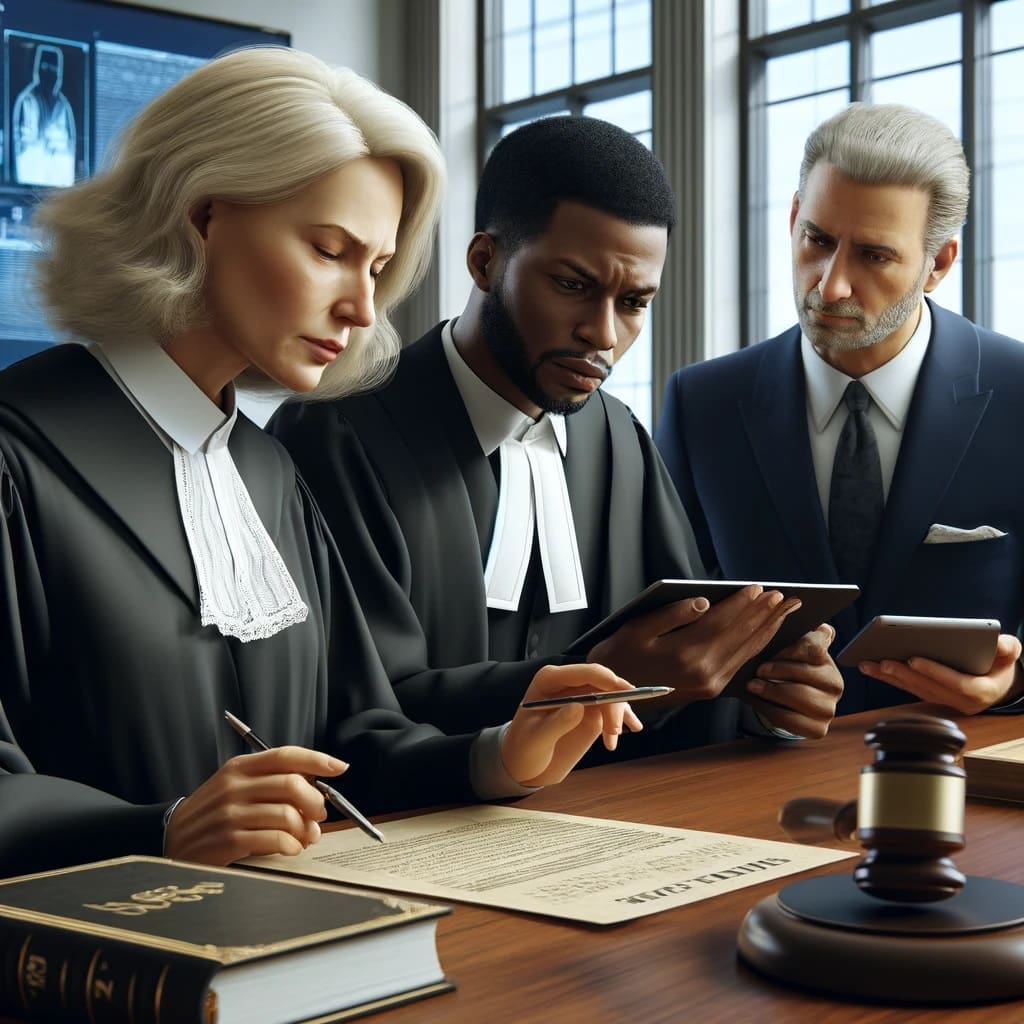
Explore comprehensive insights into the rules and types of evidence critical to legal proceedings. Our category features in-depth articles, expert video interviews with attorneys, and clear definitions of legal terms related to evidence, helping you understand its significance in both criminal and civil cases. Whether you're a legal professional or a layperson seeking knowledge, you’ll find valuable resources to navigate the complexities of legal evidence and its implications in the justice system.
The Best Evidence Rule generally requires the original writing, recording, or photograph (or a legally acceptable duplicate) to prove its contents in court. It limits testimony about what a document says unless an exception applies, such as loss, destruction, or inaccessibility not caused by bad faith. This article explains the rule, common exceptions, and how […]
In most U.S. states, a DUI can be charged at a BAC of 0.08% for non-commercial drivers. Even lower BAC or drug impairment may trigger arrest based on observed impairment and state law. This article explains DUI definitions, legal strategies to fight charges, penalties, and practical prevention steps. Understanding DUI Charges Driving Under the Influence […]
A bench trial is a trial decided by 1 judge who determines both the facts and the law, with no jury. It’s often used when issues are highly technical, the parties waive a jury, or speed and cost are priorities. This article explains the bench trial process, strategic pros and cons, and how bench trials […]
Authenticating legal documents typically requires 1 of 3 methods: notarization, an apostille (Hague Convention), or chain legalization. The correct process depends on the document type, issuing authority, and where it will be used, ensuring courts and agencies accept it as valid. This article explains procedures, jurisdictional differences, and why authentication is critical in legal processes. […]
Admissions can decisively shape a case by narrowing disputed facts, reducing discovery costs, and strengthening motions or settlement leverage. When used strategically, they lock in key points and limit an opponent’s ability to shift positions at trial. This article explains what admissions are, how and when to deploy them, common pitfalls, and best practices for […]
Admissible evidence is proof a court allows because it meets rules of relevance and reliability, and avoids exclusions like hearsay or improper privilege. Judges apply evidence codes and case law to decide what the jury may hear, often through pretrial motions and in-court objections. This article explains the main categories, standards, and common challenges to […]