Explore a comprehensive range of articles and resources related to economic policy as it intersects with legal frameworks and regulations. Visitors will find insightful video interviews with attorneys specializing in economic law, in-depth analyses of current economic policies, and clear legal glossary definitions to enhance their understanding. Stay informed about the impact of economic legislation on businesses and individuals, and access expert commentary on the evolving landscape of economic rights and policies.
In 2026, several U.S. states and localities have already enacted a $20/hour minimum wage for many workers, far above the federal $7.25 rate. Which workers qualify and when increases apply depends on state statutes and city/county ordinances. This article maps where $20/hour is law and explains the major rules and exceptions. Understanding the $20 Minimum […]
February 11, 2026•By Attorneys.Media Editorial Staff
Economic stability forms the cornerstone of prosperous societies through balanced growth, controlled inflation, and sustainable employment. Key indicators like GDP, inflation rates, and unemployment levels guide economic policies that shape global economic stability across diverse economic landscapes worldwide.
February 11, 2026•By Attorneys.Media Editorial Staff
Economic policy shapes business rules through fiscal and monetary measures, affecting everything from detention policy updates to insurance policy limits settlement. Understanding these fundamentals helps companies navigate regulatory changes and avoid public policy violations termination.
October 7, 2025•By Attorneys.Media Editorial Staff
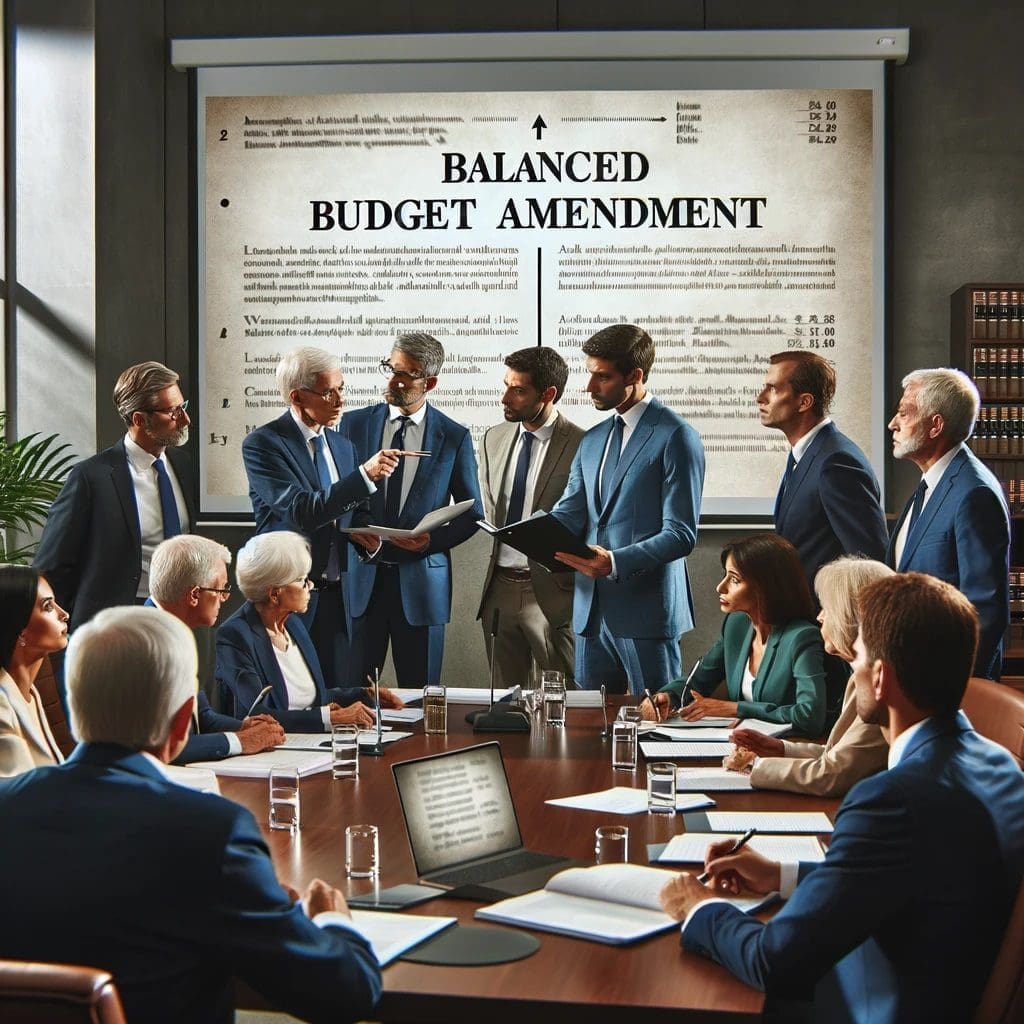
Experts support a Balanced Budget Amendment now because U.S. federal debt has surpassed $34 trillion, and they argue a constitutional cap would force annual spending to match revenues. Supporters say it would curb chronic deficits and improve fiscal credibility, while critics warn it could limit emergency and recession responses. This article explains what a BBA […]
October 6, 2025•By Attorneys.Media Editorial Staff
Trade surpluses can boost economic growth by adding net export demand to GDP and increasing national income. When a country exports more than it imports, businesses often earn more, invest more, and create jobs—though large surpluses can also reflect weak domestic consumption or invite trade tensions. This article explains how trade surpluses affect GDP, currency […]
October 1, 2025•By Attorneys.Media Editorial Staff
Budget-balance rules can be compatible with economic growth, but they often constrain stabilization policy because the U.S. has run deficits in most years since 1970. When recessions hit, strict balance requirements can force tax hikes or spending cuts that may deepen downturns without well-designed escape clauses. This article explains how a Balanced-Budget Amendment would work […]
September 27, 2025•By Attorneys.Media Editorial Staff
Technology is projected to drive U.S. e-commerce sales to about $1.8 trillion in 2024, expanding interstate transactions. AI, digital payments, real-time logistics, and stricter data-privacy and cybersecurity rules will reshape how firms sell, ship, and comply across state lines. This article covers the history, legal doctrines, and emerging regulations shaping interstate commerce. Over the course […]
Customs duties are taxes assessed on imported goods based on classification, value, and origin, with rates varying by country and tariff schedule. Getting HS codes, valuation, and documentation wrong can trigger penalties, audits, and shipment holds. This article explains duty fundamentals and practical steps to stay compliant and cut landed costs. Customs duties are a […]
Import-export violations can trigger civil penalties up to 100% of the shipment’s value or the duties owed, plus seizure and possible criminal charges. Staying compliant requires correct classification/valuation, required licenses, sanctioned-party screening, and complete shipping records. This article explains key rules, common pitfalls, and practical steps to avoid penalties. Import-export laws are a cornerstone of […]
Free trade areas can reduce or eliminate tariffs on qualifying goods across member countries, lowering landed costs for US exporters. They also simplify customs procedures and improve investment protections, helping firms scale internationally. This article explains FTA types, key legal requirements, and practical compliance steps for US businesses. Free trade areas (FTAs) are pivotal in […]
Foreign trade regulations typically cover 5 core areas: customs/tariffs, export controls, sanctions, licensing, and trade remedies. They govern cross-border goods, services, and data, with penalties for noncompliance. This article explains major regulation types and the legal steps businesses use to stay compliant. Foreign trade regulations play a critical role in the global economy, governing the […]
Trade barriers are government measures—such as tariffs, quotas, subsidies, and regulatory restrictions—that limit or reshape cross-border trade. They can raise costs, delay market entry, and trigger disputes under domestic laws and international trade agreements. This article explains the main types of trade barriers, the legal frameworks that govern them, and practical considerations for compliance, enforcement, […]