From Roofing Falls To Truck Collisions: Identifying All Liable Parties When An Accident Turns Your Life Upside Down
Construction and roofing work in Boston is vital to the city’s growth, but it comes with considerable risk. Imagine a worker or bystander seriously injured by a falling object or a collision involving a construction vehicle. In these scenarios, understanding who can be held liable is essential for ensuring victims receive proper compensation and justice. The lines of responsibility can be complex, especially in a city bustling with construction activity.
Determining Liability in Construction and Roofing Accidents
When a roofing or construction accident results in serious injury, multiple parties may be held accountable depending on the circumstances. Liability can extend beyond just the person directly involved in the incident. For example, the general contractor overseeing the project might be responsible for unsafe work conditions, while subcontractors could be liable if their workers fail to follow safety protocols. Additionally, property owners and equipment manufacturers may also share fault. For those navigating these complexities, consulting an abogado para accidentes de construcción en boston can provide much-needed clarity on legal rights and obligations.
Common Causes of Roofing and Construction Accidents
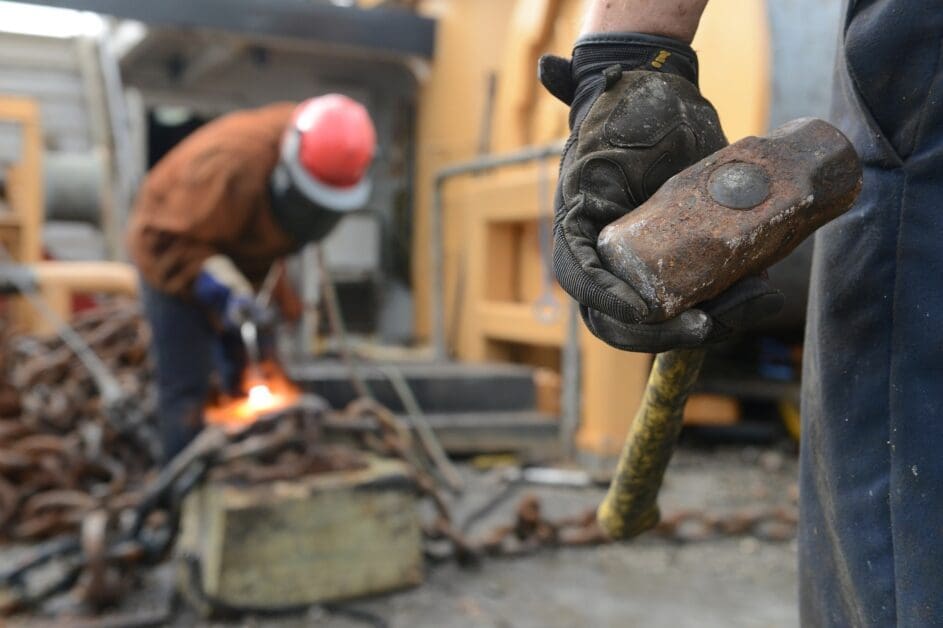
Construction sites are inherently hazardous environments. Accidents may result from falling from heights, being struck by falling debris, malfunctioning machinery, or even negligent operation of heavy vehicles. Weather conditions and improper safety measures can further increase the risk. Identifying the precise cause is critical in determining liability, as different parties may be responsible for different safety aspects.
Parties That Can Be Held Liable
Several entities could be responsible when a serious injury occurs on a Boston construction site. These may include:
- General contractors: Responsible for overall site safety and compliance with regulations.
- Subcontractors: Liable for the actions and training of their employees.
- Property owners: Obligated to ensure a reasonably safe environment.
- Equipment manufacturers or suppliers: Accountable for defective tools or machinery.
- Project managers or architects: Involved if negligent planning or oversight contributed to the accident.
Each party’s role and level of control over the work environment will influence their potential liability.
The Role of Negligence and OSHA Violations
Negligence is a central factor in construction accident claims. If a party fails to exercise reasonable care—such as neglecting to install guardrails or ignoring proper training—they may be held legally responsible. Additionally, violations of Occupational Safety and Health Administration (OSHA) standards often play a significant role. OSHA regulations are designed to protect workers; breaches can serve as strong evidence of liability.
Checklist: Essential Steps After a Construction Accident
If you or someone you know is injured in a construction or roofing accident, these steps can help protect legal rights and preserve evidence:
- Seek immediate medical attention.
- Report the incident to supervisors or site managers.
- Document the scene with photographs or videos.
- Collect contact information from witnesses.
- Retain copies of all medical records and incident reports.
- Do not make statements to insurance adjusters without legal advice.
Taking these actions can be crucial if you later pursue compensation or need to demonstrate the facts of the case.
Navigating Third-Party Claims and Workers’ Compensation
Workers’ compensation provides a no-fault system for injured employees, covering medical expenses and lost wages. However, it does not prevent injured parties from pursuing additional claims against third parties, such as equipment manufacturers or negligent subcontractors. These third-party claims are essential when someone other than an employer contributed to the accident. For guidance through this process, a construction injury advocate boston can help identify all potential sources of liability and maximize recovery.
Truck Collisions and Construction Vehicles
Construction zones often involve large trucks and heavy equipment that can cause severe injuries, especially in urban settings like Boston. Liability in these cases may extend to vehicle operators, their employers, equipment maintenance contractors, or even the companies responsible for site traffic control. If a truck is involved in an accident, determining whether poor maintenance, driver error, or improper loading played a role is crucial. Consulting a boston truck accident lawyer can help clarify the responsibilities of all parties involved.
The Importance of Timely Legal Action
Massachusetts law imposes strict deadlines for filing personal injury claims. Prompt action is necessary to gather evidence, interview witnesses, and meet legal requirements. Delays can jeopardize a victim’s ability to pursue compensation. Understanding the statute of limitations and starting the legal process early increases the likelihood of a favorable outcome.
Conclusion
Determining who can be held liable when a roofing or construction accident causes serious injury in Boston requires careful evaluation of all parties involved. From contractors and property owners to manufacturers and vehicle operators, multiple entities may share responsibility. Navigating these complexities demands a clear understanding of negligence, regulatory compliance, and third-party claims. With timely action and the right guidance, injured individuals can better secure their rights and achieve the compensation necessary for recovery and future security.