How Property Conditions Affect Slip and Fall Liability
Fort Myers stands as a vibrant coastal community where residents, seasonal visitors, and business owners intersect every day in public spaces, residential properties, and commercial destinations. Its year-round activity, thriving tourism economy, and steady development place a strong emphasis on shared environments such as sidewalks, parking areas, retail floors, and outdoor walkways. These locations are part of daily life, yet they also carry responsibilities that are often overlooked until an accident occurs. Understanding how local settings influence risk helps frame why property standards are essential for everyone who enters these spaces.
As people move through Fort Myers properties, the condition of those environments plays a critical role in determining accountability when injuries occur. Slip and fall liability is closely tied to how well owners anticipate, monitor, and address potential dangers. Legal guidance often centers on whether reasonable care was taken to protect lawful visitors from preventable harm. Insight from a Viles & Beckman, LLC Fort Myers slip and fall accident lawyer can help clarify how property conditions factor into responsibility and fault. This perspective allows injured individuals to better understand their rights within the context of Florida premises liability law.
Hazardous Surfaces
In slip and fall crashes on properties, the flooring is often the main force at play. If the surface is not well-maintained and has cracked tiles, for example, it increases the chances of someone falling over. Wet or slippery floors are hazardous and can cause injuries. Poorly illuminated areas can also obscure safety hazards, placing individuals at risk. Property owners are responsible for addressing hazards that could cause someone to slip and fall on walkways, stairs, and entryways on their property.
Weather and Outdoor Maintenance
Weather elements like rain, snow, and ice are common causes of outdoor accidents. Property owners are required to keep walkways safe and dry at all times. Failing to do so can leave surfaces slippery and cause injuries. Regularly clearing walkways and putting up caution signs can demonstrate a commitment to security. Visitors to these areas should certainly be aware of their surroundings, but the person maintaining the property is responsible for making sure it is safe.
Clutter and Obstructions
Leaving items in walkways can be dangerous. People can trip over boxes, cords, and debris if they are not cleared away. The cleanliness of the common areas is the responsibility of property owners. It is essential for preventing accidents. Regularly cleaning and organizing the area can mitigate the risks of falls. Ensuring spaces are free from clutter and obstructions is one of the primary responsibilities of people who manage properties.
Building Codes and Proper Signage
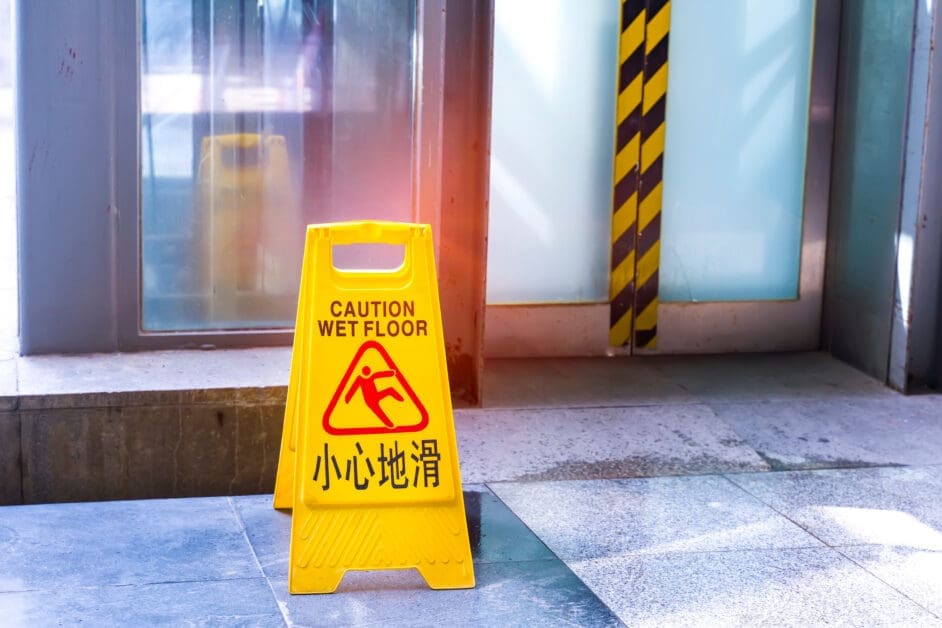
Property owners bear the responsibility of adhering to safety codes. Some of these features—such as handrails, non-slip treads, and adequate lighting—are often mandated by this code. Caution signs should inform visitors about temporary dangers, such as wet floors or construction work in progress. Disregarding these standards could expose owners to liability in the event of an injury.
Inspection and Maintenance Practices
Scheduled checks can help property owners identify dangers before they cause injuries. Failure to address issues such as loose carpets, broken steps, and uneven flooring can result in accidents. The owner should take their responsibilities seriously and conduct regular inspections and repairs. Keeping a record of these inspections can serve as evidence of consistent maintenance, particularly when addressing a claim after an incident.
Visitors’ Responsibility and Comparative Fault
Property owners shoulder most of the burden of keeping their premises safe, but visitors should also behave responsibly. They must listen for warning signs, watch for obstacles, and wear footwear with the right tread to avoid slipping. Sometimes, both the visitor and the property owner can share responsibility in the event of an accident. The legal system considers the actions of all parties involved when determining liability.
Conclusion
Liability in a slip and fall claim is directly related to the state of a property. Owners are responsible for protecting all visitors by ensuring their property is safe, addressing hazards in a timely manner, and adhering to building safety codes. However, visitors also have a responsibility to be vigilant and cautious. Learning about these risks can decrease the likelihood of injuries.