How to Document Property Damage to Satisfy Strict Insurance Requirements
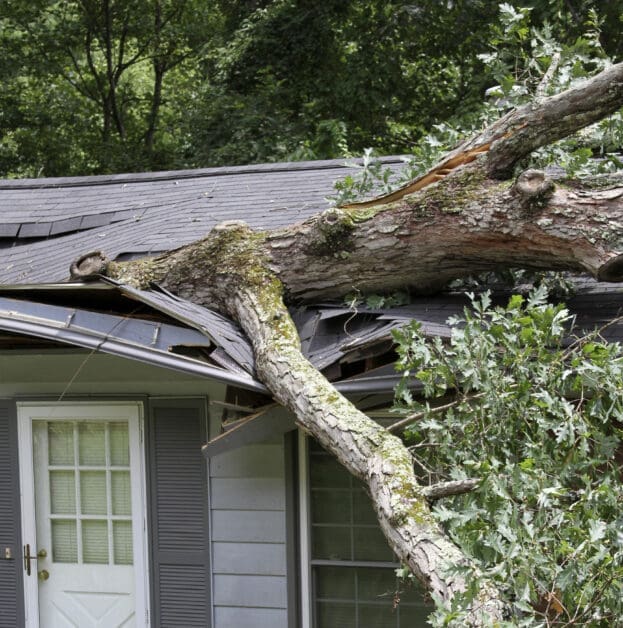
A severe storm has just passed. The immediate relief of safety quickly gives way to the overwhelming sight of the damage—the splintered trees, the missing shingles, the water creeping under the door. This initial shock is often followed by the dread of a long and difficult process: dealing with the insurance company. For thousands of homeowners, this process ends in frustration and financial loss. The stakes are incredibly high, and simply having a policy is no guarantee of a payout. In Texas, the reality can be harsh; in 2024, nearly 47% of homeowner insurance claims were closed without any payment. This article provides a clear, actionable workflow to help you build a compelling claim. By the end of this guide, you will know exactly how to document property damage to satisfy even the strictest insurance requirements, counter common denial tactics, and build a file that stands up to scrutiny.
The Adjuster’s Playbook: Why Your Evidence is Your Shield
Understanding the insurance claim process begins with understanding the role of the insurance adjuster. An adjuster’s primary job is to investigate and validate your loss while simultaneously protecting the insurer’s financial interests. This means the responsibility—often called the “burden of proof”—falls squarely on you to provide undeniable evidence that the damage occurred as you claim and is covered by your policy.
Adjusters rely on specific policy language and arguments to limit or deny payouts, making your documentation your most critical line of defense. They are trained to look for reasons to reduce the value of your claim, which is why your evidence must be meticulous and comprehensive. For additional resources on what your policy covers, the Texas Department of Insurance (TDI) offers valuable information for homeowners.
To protect their bottom line, insurers frequently use several key arguments to deny claims, often to a homeowner’s disadvantage. One common tactic is claiming “pre-existing damage,” where the company argues the damage was present before the storm or event. Another is “failure to mitigate,” an argument that you did not take reasonable steps to prevent further damage after the initial incident.
Furthermore, insurers enforce “timely reporting” clauses, which can be used to deny a claim if you wait too long to file, which is why officials often urge homeowners to file claims as soon as possible after a storm. Insurers may blame everything from improper home construction to defective building materials, making your detailed documentation the primary tool to disprove these arguments and secure the compensation you are owed.
Your 4-Step Plan to Building a Bulletproof Claim File
In the chaotic moments after a disaster, it can be difficult to know where to begin. However, taking a structured, methodical approach to documenting your losses is essential. The following four steps provide a sequential process for gathering the evidence needed to build a claim file that can withstand an adjuster’s critical review. Following this plan methodically will transform you from a passive victim into an active advocate for your own financial recovery. Each step is designed to counter a specific challenge you might face during the claims process, from proving the extent of the damage to holding your insurer accountable for their promises.
Step 1: Secure the Scene and Prevent Further Harm
Before you pick up a camera, your priority must be your family’s safety. Once you are sure the area is secure, you have a duty under most policies to mitigate further damage. This means taking reasonable steps to prevent the existing problem from getting worse, a critical action that insurers look for when evaluating a claim.
For example, this could involve placing a tarp over a hole in the roof to stop rain from coming in or boarding up a shattered window to secure your home. Many insurance companies provide 24-hour emergency helplines to advise on these immediate steps and help arrange for temporary repairs. It is vital to keep detailed receipts for any materials you purchase for these temporary fixes, such as tarps, plywood, or cleaning supplies, as these costs are often reimbursable under your policy.
Step 2: Create an Unmistakable Visual Record
Your smartphone is the most powerful tool in your possession during this process. You should aim to take far more photos and videos than you believe you will ever need, as it is impossible to go back in time to capture a missed detail.
A thorough visual record starts by going broad and then getting deeper. Begin with wide-angle photos and videos of the entire property to establish the overall context of the storm’s impact. Then, move to medium shots of entire damaged areas, such as the whole roof or a collapsed fence line.
Finally, capture detailed close-ups of specific problems like individual cracked shingles, water stains on the ceiling, or hail dents on siding. To provide an undeniable sense of scale, place a ruler or tape measure next to cracks, holes, or water lines in your close-up shots.
Consumer protection groups strongly advise that a narrated video tour is an excellent way to document damage; walk through your property, record everything, and verbally describe what you are seeing, when you noticed it, and how it impacts your home. This creates a powerful, time-stamped narrative for the adjuster.
Step 3: Compile a Comprehensive Loss Inventory
Creating a detailed list of every single item that was damaged or destroyed is one of the most tedious but crucial parts of the claims process. Being meticulous here is non-negotiable. The importance of this step was highlighted when California lawmakers had to intervene after insurers made unreasonable documentation demands of wildfire victims who had lost all their records. For each item on your list, you should include the following details in an organized spreadsheet or document:
- Item Description: Be specific (e.g., “Samsung 65-inch 4K Smart TV,” not just “TV”).
- Brand and Model Number: Include this information if it’s available from the item itself or old records.
- Purchase Date and Price: Do your best to find old receipts, bank statements, or credit card statements to verify the original cost.
- Estimated Replacement Cost: Research the current price of a new, similar item.
- Description of Damage: Clearly state what is wrong with the item (e.g., “Screen cracked and unit non-functional due to roof leak and water exposure”).
This organized inventory makes it easier for the adjuster to process your personal property claim and harder for them to dispute the value of your losses. The Federal Emergency Management Agency also provides a helpful guide for documenting and insuring your property that can serve as a valuable resource.
Step 4: Master Your Communications
From your first call to the final settlement, you must treat every interaction with your insurance company as official business. Whenever possible, rely on written communication over phone calls that cannot be easily recorded or referenced. This creates a clear paper trail that can be used to hold the insurer accountable.
Establish a communication log in a dedicated notebook or a digital file to track every email, letter, and phone call. For each entry, you should note the date, time, the name and title of the representative you spoke with, and a detailed summary of the conversation. This record is invaluable if disputes arise later over what was said or promised. Understanding the best method for each type of communication can prevent misunderstandings and strengthen your position.
| Communication Method | Pros | Cons | Best For |
| Creates a written, time-stamped record. Easy to attach photos and documents. | Can be ignored or delayed. Tone can be misinterpreted. | Following up on phone calls, submitting documents, asking non-urgent questions. | |
| Phone Call | Allows for immediate back-and-forth conversation and clarification. | No automatic record. Details can be forgotten or disputed later. | Initial claim reporting, asking quick clarifying questions (always follow up with an email). |
| Certified Mail | Provides legal proof of delivery and receipt. Conveys seriousness. | Slower and more costly than email. Can feel confrontational. | Sending formal notices, responding to denial letters, or escalating a dispute. |
Fighting Back: Challenging an Unfair Denial
Receiving a claim denial letter is disheartening, but it is not the end of the road. In many cases, a denial is simply the start of a negotiation. Insurers deny valid claims frequently, counting on the policyholder to become discouraged and give up without a fight. This is the moment when having your meticulous documentation and understanding your rights becomes absolutely crucial. Professional support can make the difference between accepting an unfair outcome and receiving the full payment you are contractually owed. You have the right to challenge the insurer’s decision, especially when its reasoning seems weak or unsubstantiated. Just as you would learn how to fight a speeding ticket and build a defense, you must be prepared to contest an insurance denial.
When careful documentation is still met with a denial citing “pre-existing damage” or relying on a one-sided report, it may be time to seek legal guidance. This is where an experienced insurance-claim attorney like the Fitts Law Firm can help by gathering and presenting strong evidence, understanding the rules that govern denied or delayed claims, and challenging questionable insurer tactics.
Insurers may use strategies such as low settlement offers, prolonged delays, or denials supported by weak or selective evidence. A qualified attorney can evaluate the claim, identify potential violations of applicable denied insurance claim laws in Houston, and apply legal pressure when necessary—up to and including litigation—to require the insurer to fully justify its decision.
If you believe your claim was unfairly denied or underpaid, consider requesting a consultation to review your situation and learn what options may be available.
From Victim to Advocate: Taking Control of Your Claim
The moments following a disaster are undeniably stressful, but your actions during this critical period will define the outcome of your insurance claim. By shifting from a reactive mindset to a proactive one and following a structured documentation process, you transform yourself from a passive victim into an active advocate for your own financial recovery. This methodical approach provides you with the leverage and evidence needed to counter unfair tactics and ensure you receive the settlement you deserve. Your diligence in documenting every detail serves as your shield against delays, lowball offers, and unjust denials.
- Act Immediately: Prioritize safety, mitigate further damage, and begin documenting everything right away.
- Evidence is Everything: Use timestamped photos, narrated videos, and a detailed inventory to build an undeniable record of your loss.
- Communicate in Writing: Keep a meticulous log of all interactions to hold your insurer accountable.
- A Denial is Not Final: Understand that you have the right to challenge the insurance company’s decision, especially with experienced legal help.
Your first step toward preparedness starts now, well before the next storm hits. Take 15 minutes this week to create a video inventory of your home. Walk through each room, open closets and drawers, and narrate a tour of your most valuable possessions. This simple, proactive action is one of the most powerful things you can do to protect yourself and your family’s financial future. Storing this video in the cloud ensures it will be safe and accessible even if your home and devices are destroyed.