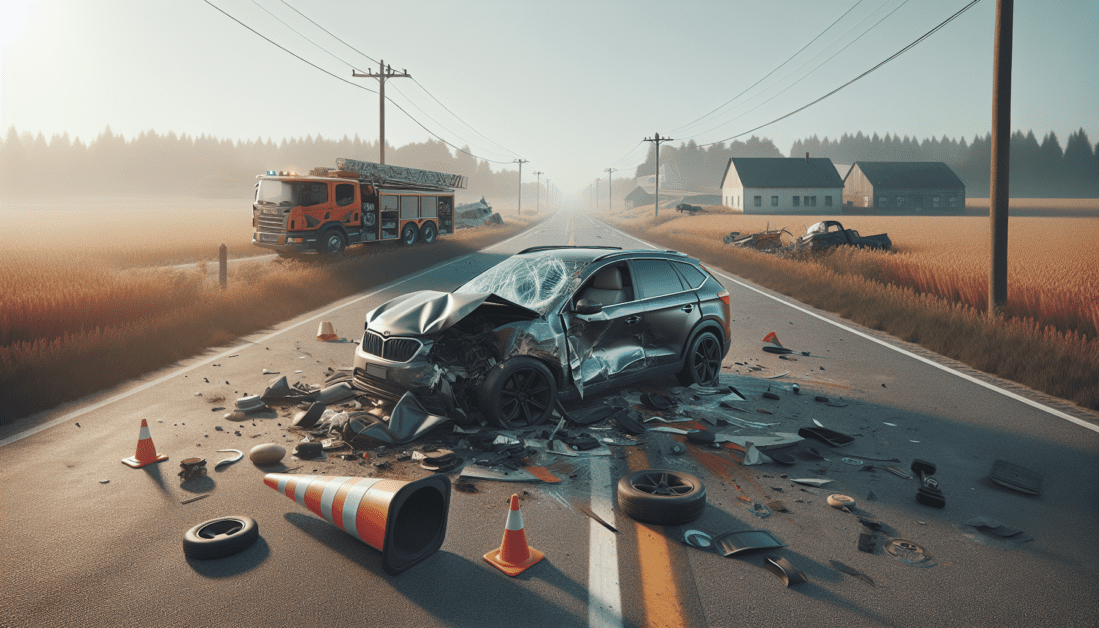
Physical Evidence in Crash Reconstruction Explained
Understanding Physical Evidence in Vehicle Collision Analysis and Reconstruction
Physical evidence serves as the foundation for accurate vehicle collision evidence analysis. When accidents occur, every mark, debris pattern, and damaged component tells a crucial part of the story. Investigators rely on these tangible clues to piece together what happened during those critical seconds before, during, and after impact.
The most common types of physical evidence found at crash scenes include:
- Skid marks and tire impressions – These reveal vehicle speed, direction, and driver actions like braking or steering
- Vehicle damage patterns – Dents, scratches, and deformation indicate impact angles and force levels
- Road scars and gouges – These marks show where vehicles made contact with the pavement
- Debris fields – The spread of broken parts helps determine impact points and vehicle paths
- Fluid trails – Oil, coolant, or fuel patterns track vehicle movement after impact
Investigators document this evidence through detailed photographs, measurements, and diagrams. Each piece of physical evidence must be carefully preserved, as weather conditions and traffic can quickly destroy crucial information. The traffic collision report evidence becomes the permanent record that experts use to reconstruct the event.
Modern reconstruction techniques combine traditional physical evidence with data from vehicle computers, surveillance cameras, and witness statements. This comprehensive approach helps investigators determine factors like vehicle speeds, driver visibility, and the sequence of events. By analyzing physical evidence systematically, reconstruction experts can provide clear, factual explanations of how and why crashes occurred, supporting legal proceedings and improving road safety measures.
Understanding how to identify, document, and interpret physical evidence remains essential for anyone involved in crash investigation, from law enforcement officers to insurance adjusters and legal professionals.
Understanding Physical Evidence in Vehicle Collision Analysis and Reconstruction
Physical evidence forms the foundation of accurate vehicle collision analysis and reconstruction. When accidents occur, the scene contains valuable clues that help investigators determine what happened, how it occurred, and who may be responsible. This evidence includes skid marks, vehicle damage patterns, debris fields, and road conditions that tell the story of the crash.
Professional investigators examine multiple types of physical evidence at collision scenes. Tire marks reveal vehicle speed and driver actions before impact. The length and pattern of skid marks help calculate pre-collision velocity. Gouge marks in the pavement indicate where vehicles made contact with the road surface during the crash sequence. Paint transfers between vehicles show points of impact and help establish the sequence of events.
Vehicle damage analysis provides crucial information about collision dynamics. The location, direction, and extent of damage help determine impact angles and forces involved. Investigators measure crush depth, examine airbag deployment, and document seat belt usage. These details contribute to understanding occupant movements and potential injuries during the crash.
Environmental factors also constitute important physical evidence. Weather conditions, visibility, road surface conditions, and lighting all play roles in collision reconstruction. Investigators document traffic control devices, lane markings, and sight distances. Even seemingly minor details like leaves on the road or construction zones can significantly impact collision analysis.
Modern collision reconstruction combines traditional physical evidence with technology. Investigators use laser scanners, drones, and photogrammetry to create detailed scene documentation. This comprehensive approach to vehicle collision evidence analysis ensures accurate reconstructions that support legal proceedings, insurance claims, and safety improvements. Understanding these physical evidence types helps all parties involved appreciate the scientific basis behind collision reconstruction conclusions.
Understanding Physical Evidence in Vehicle Collision Analysis and Reconstruction
Physical evidence forms the foundation of accurate vehicle collision analysis and reconstruction. When accidents occur, the scene contains crucial clues that help investigators understand what happened, how it happened, and who may be responsible. This evidence tells a story that witness accounts alone cannot fully capture.
Types of Physical Evidence at Crash Scenes
Vehicle collision evidence analysis relies on several key types of physical evidence. Skid marks reveal braking patterns and vehicle speeds before impact. Debris fields show the point of impact and force direction. Vehicle damage patterns indicate collision angles and severity. Road conditions, weather effects, and visibility factors all contribute to understanding the complete picture.
Traffic collision report evidence typically includes photographs, measurements, and detailed documentation of these physical elements. Officers record tire marks, gouges in the road surface, fluid spills, and the final resting positions of vehicles. Each piece of evidence helps reconstruct the sequence of events.
Collection and Documentation Methods
Proper evidence collection requires systematic approaches. Investigators use measuring tapes, laser scanners, and drones to capture accurate scene dimensions. Photography from multiple angles preserves visual evidence before the scene changes. Paint transfers, glass fragments, and vehicle parts receive careful handling to maintain their investigative value.
Why Physical Evidence Matters
Unlike eyewitness testimony, physical evidence remains objective and unchanging. Skid marks don’t forget details or change their story. Damage patterns provide mathematical data for speed calculations. This reliability makes physical evidence essential for insurance claims, legal proceedings, and improving road safety. Understanding how to read and interpret this evidence helps all parties involved reach fair, fact-based conclusions about traffic accidents.
Understanding Physical Evidence in Vehicle Collision Analysis and Reconstruction
Physical evidence forms the foundation of accurate vehicle collision analysis and reconstruction. When accidents occur, investigators rely on tangible clues left at the scene to piece together what happened. This evidence tells a story that witness accounts alone cannot provide.
Vehicle collision evidence analysis involves examining various types of physical markers. These include skid marks, vehicle damage patterns, debris fields, and final resting positions. Each element provides crucial information about speed, direction, and force of impact. Investigators measure these items carefully and document their exact locations.
Modern crash reconstruction goes beyond basic measurements. Technology now plays a vital role in capturing and analyzing evidence. Digital photography, laser scanning, and drone footage help create detailed scene documentation. This data becomes part of the traffic collision report evidence that investigators use to determine fault and causation.
Common types of physical evidence include:
- Tire marks showing braking, acceleration, or steering actions
- Paint transfers between vehicles
- Broken glass patterns and distribution
- Fluid spills indicating impact points
- Road gouges and scrapes
- Vehicle component damage and separation
Weather and road conditions also constitute important physical evidence. Wet surfaces, ice patches, or poor visibility can significantly affect collision dynamics. Investigators document these country condition evidence factors to understand their role in the accident.
Proper evidence collection requires immediate action. Physical evidence can deteriorate quickly due to weather, traffic, or cleanup efforts. First responders and investigators must work efficiently to preserve the scene. This preservation ensures accurate reconstruction and supports legal proceedings that may follow.
Understanding physical evidence helps all parties involved in collision investigations. Insurance companies, attorneys, and law enforcement agencies depend on this evidence to make fair determinations about accidents and their causes.
Types of Physical Evidence at Crash Scenes
When investigators arrive at a vehicle collision scene, they encounter various forms of physical evidence that help piece together what happened. Each type of evidence tells a unique story about the crash dynamics and contributing factors.
Tire Marks and Road Scars are among the most telling evidence at crash scenes. Skid marks show where drivers applied brakes, while yaw marks indicate sideways sliding. These marks help determine vehicle speeds and driver actions before impact. Gouges and scrapes on the road surface reveal the path vehicles took after collision.
Vehicle Damage Patterns provide crucial information about impact angles and forces. The location, depth, and direction of damage help investigators understand how vehicles collided. Paint transfers between vehicles confirm contact points, while broken parts scattered at the scene indicate impact severity.
Fluid Evidence includes oil stains, coolant puddles, and fuel spills that mark vehicle positions during and after the crash. These fluids create patterns showing vehicle movement and rest positions. Blood evidence, when present, helps establish occupant positions and injury mechanisms.
Debris Fields consist of broken glass, plastic fragments, and metal pieces that scatter during impact. The distribution pattern of debris indicates impact speed and direction. Larger components like bumpers or mirrors mark specific collision points.
Environmental Evidence encompasses damaged property like guardrails, signs, trees, or buildings. These fixed objects show vehicle paths and help validate speed calculations. Weather-related evidence such as water, ice, or snow conditions affects vehicle control and must be documented.
Proper documentation of all physical evidence through photographs, measurements, and detailed notes ensures accurate vehicle collision evidence analysis. This evidence forms the foundation for understanding crash causation and determining liability.