Property Encroachment: Legal Rights and Solutions
Property Encroachment Legal Issues: Understanding Boundary Disputes and Remedies
Property encroachment occurs when a structure, fence, or other improvement crosses over property lines onto neighboring land without permission. These boundary disputes can create significant legal challenges for property owners and often lead to costly litigation if not resolved properly.
Common Types of Property Encroachment
Encroachment issues typically involve physical structures like fences, driveways, buildings, or tree branches extending beyond property boundaries. Even seemingly minor intrusions, such as a few inches of a shed overlapping onto adjacent land, can escalate into serious property encroachment legal issues requiring professional intervention.
Legal Rights of Affected Property Owners
Property owners facing encroachment have several legal options available. They can request the neighbor remove the encroaching structure, negotiate an easement agreement, or pursue legal action through the courts. The specific remedy depends on factors including the extent of encroachment, how long it has existed, and local property laws.
Resolution Methods and Remedies
Before pursuing litigation, property owners should consider these approaches:
- Obtain a professional land survey to establish exact boundaries
- Attempt direct negotiation with the neighboring property owner
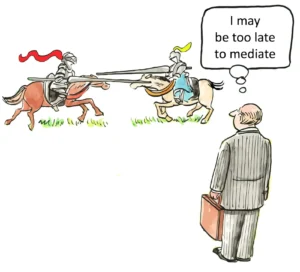
- Explore mediation services to reach a mutually acceptable solution
- Consider purchasing or selling the disputed land portion
- Draft a formal easement or license agreement
If these methods fail, legal action may become necessary. Courts can order removal of encroaching structures, award damages for property use, or establish permanent easements. Understanding your rights and available remedies is crucial when dealing with boundary disputes to protect your property interests while minimizing conflict and legal expenses.
Property Encroachment Legal Issues: Understanding Boundary Disputes and Remedies
Property encroachment occurs when a neighbor’s structure, fence, or other improvement crosses over your property line without permission. These boundary disputes can create significant tension between neighbors and lead to complex legal challenges that require careful resolution.
Common types of property encroachment include:
- Fences built beyond property boundaries
- Buildings or additions that extend onto neighboring land
- Trees with branches or roots crossing property lines
- Driveways or pathways that overlap boundary lines
- Underground utilities installed on the wrong property
When facing encroachment issues, property owners have several legal remedies available. The first step typically involves reviewing your property deed and obtaining a professional survey to establish exact boundary lines. This documentation becomes crucial evidence if legal action becomes necessary.
Legal solutions for property encroachment range from friendly negotiations to court proceedings. Many disputes resolve through direct communication between neighbors, potentially resulting in written agreements or easements that legally permit the encroachment. If informal resolution fails, sending a formal demand letter often motivates action.
For persistent encroachment problems, legal options include:
- Quiet title action – Court proceedings to establish clear property ownership
- Injunctive relief – Court orders requiring removal of encroaching structures
- Monetary damages – Compensation for property use or decreased value
- Prescriptive easements – Legal right to continue encroachment after extended use
Time limits apply to encroachment claims, varying by state law. Acting promptly protects your property rights and prevents adverse possession claims. Consider consulting a real estate attorney when encroachment disputes arise to understand your specific rights and develop an effective resolution strategy.
Property Encroachment Legal Issues: Understanding Boundary Disputes and Remedies
Property encroachment occurs when a structure, object, or activity from one property extends beyond legal boundaries into neighboring land. These boundary disputes can create significant legal challenges for property owners and often require careful resolution to maintain neighborly relations while protecting property rights.
Common Types of Property Encroachment
Encroachments typically fall into several categories. Structural encroachments involve buildings, fences, driveways, or additions that cross property lines. Natural encroachments include tree branches, roots, or landscaping features extending onto adjacent property. Underground encroachments may involve septic systems, utilities, or foundation elements crossing boundaries without visible signs above ground.
Legal Rights and Responsibilities
Property owners have the right to exclusive use of their land within established boundaries. When encroachment occurs, affected owners can request removal of the encroaching element. However, certain situations may complicate these rights, such as prescriptive easements or adverse possession claims if the encroachment has existed unchallenged for many years.
Available Legal Remedies
Several options exist for resolving encroachment disputes:
- Negotiation: Direct discussion between neighbors often provides the quickest, most cost-effective solution
- Written agreements: Creating easements or license agreements can formalize arrangements for minor encroachments
- Mediation: Third-party mediators help parties reach mutually acceptable solutions
- Legal action: Filing lawsuits for injunctive relief or damages when other methods fail
Understanding property boundaries through professional surveys remains essential for preventing and addressing encroachment issues. Early detection and prompt action help avoid escalating conflicts and preserve property values while maintaining positive neighborhood relationships.
Property Encroachment Legal Issues: Understanding Boundary Disputes and Remedies
Property encroachment occurs when a person builds on or uses land that belongs to someone else without permission. This common legal issue can create significant conflicts between neighbors and lead to expensive litigation if not addressed properly. Understanding your rights and available solutions is essential for protecting your property interests.
Common Types of Property Encroachment
Encroachment issues typically involve structures like fences, buildings, driveways, or trees that cross property lines. Sometimes these violations are intentional, but often they result from unclear boundaries or honest mistakes. Even small encroachments, such as a fence extending a few inches onto neighboring land, can escalate into serious legal disputes.
Legal Rights of Property Owners
Property owners have the right to exclusive use of their land within established boundaries. When encroachment occurs, affected owners can pursue several remedies:
- Request voluntary removal of the encroaching structure
- Negotiate a boundary line agreement
- Seek monetary compensation for the use of land
- File a lawsuit for trespass or ejectment
- Obtain a court order requiring removal
Resolution Strategies
The best approach often starts with direct communication between neighbors. Many encroachment disputes can be resolved through friendly discussion or mediation. If informal methods fail, property owners should consult with a real estate attorney who can review survey records, assess the situation, and recommend appropriate legal action.
Time is critical in encroachment cases, as some jurisdictions allow adverse possession claims if the encroachment continues unchallenged for a specific period. Acting promptly to address boundary violations helps protect your property rights and prevents more complex legal issues from developing.
Property Encroachment Legal Issues: Understanding Boundary Disputes and Remedies
Property encroachment occurs when a person unlawfully extends their property onto neighboring land, creating legal conflicts that can strain relationships and lead to costly disputes. Understanding your rights and available solutions is essential for protecting your property interests.
Common Types of Property Encroachment
Encroachments typically fall into several categories. Structural encroachments involve buildings, fences, driveways, or other permanent structures crossing property lines. Natural encroachments include tree branches, roots, or landscaping features extending beyond boundaries. Minor encroachments might involve gutters, eaves, or small portions of structures barely crossing property lines.
Legal Rights of Property Owners
Property owners have fundamental rights to exclusive use and enjoyment of their land. When encroachment occurs, affected owners can demand removal of the encroaching structure, seek monetary compensation for land use, or negotiate easement agreements. The law generally favors protecting property boundaries, though courts consider factors like intent, duration, and harm caused.
Available Legal Remedies
Several remedies exist for addressing property encroachment legal issues. Negotiation often provides the fastest, most cost-effective solution through direct communication or mediation. Legal action may involve filing for injunctive relief to force removal or seeking damages for trespass. In some cases, adverse possession claims or prescriptive easements may complicate matters if encroachment has existed for extended periods.
Prevention and Resolution Strategies
Preventing encroachment disputes requires accurate property surveys before construction, clear boundary markers, and regular property inspections. When disputes arise, documenting the encroachment with photographs and survey reports strengthens your position. Consulting with a real estate attorney early helps evaluate options and protect your rights while potentially avoiding expensive litigation.