case management

Explore a wealth of resources related to case management in the legal field, including best practices, tools, and strategies for effectively organizing and overseeing legal cases. Visitors will find informative articles, expert interviews with attorneys, and insights into how case management software can streamline workflows and enhance client communication. This section aims to equip legal professionals and those seeking legal information with essential knowledge to improve case handling and efficiency.

Modern case management workflow and tools

Case Management: Essential Guide for Modern Practice

Case management is a systematic process that coordinates services and resources efficiently. From criminal case management to visa application case management, it enhances productivity across legal, healthcare, and social services through assessment, planning, implementation, and evaluation.

Case Management: Essential Guide for Modern Practice Read More »

Expert Lawyer Advising Client on Courtroom Strategies

How to Ensure a Professional and Persuasive Courtroom Appearance

A professional, persuasive courtroom appearance starts with strict compliance with court rules, conservative attire, and calm, respectful conduct. Judges and juries often form credibility impressions within seconds, so preparation and presentation can directly influence how your arguments are received. This article explains dress and grooming standards, courtroom etiquette, communication and body language tips, and practical

How to Ensure a Professional and Persuasive Courtroom Appearance Read More »

Legal Professionals Addressing Court Backlog in a Realistic Courtroom

How to Implement Efficient Case Management Backlogged Systems?

Courts that adopt e-filing, automated scheduling, and triage can cut backlog clearance times by 20–40% compared with manual workflows. Centralized dashboards and standardized intake reduce bottlenecks and improve time-to-disposition. This article explains practical steps, tools, and metrics to implement efficient case management in backlogged systems. The term backlog in legal contexts refers to the accumulation

How to Implement Efficient Case Management Backlogged Systems? Read More »

Team Analyzing Legal Service Balance in Professional Setting

Are Civil and Criminal Law Services Profitable Together?

Yes—many law firms can increase profitability by offering civil and criminal law services together, diversifying revenue and smoothing cash flow across case types. While criminal work often moves faster and civil matters can produce larger but slower-paying fees, combining them can balance risk and capacity. This article explains profit drivers, pricing and billing models, ethical

Are Civil and Criminal Law Services Profitable Together? Read More »

Strategizing in the Courtroom to Prevent Case Dismissal

How to Avoid Losing Your Case for Inactivity and Dismissal

A court can dismiss a lawsuit for want of prosecution when the plaintiff fails to take required action for an extended period or misses procedural deadlines. Keeping the case active through timely filings, hearings, discovery responses, and status updates typically prevents dismissal. This article explains common triggers, practical prevention steps, and what to do if

How to Avoid Losing Your Case for Inactivity and Dismissal Read More »

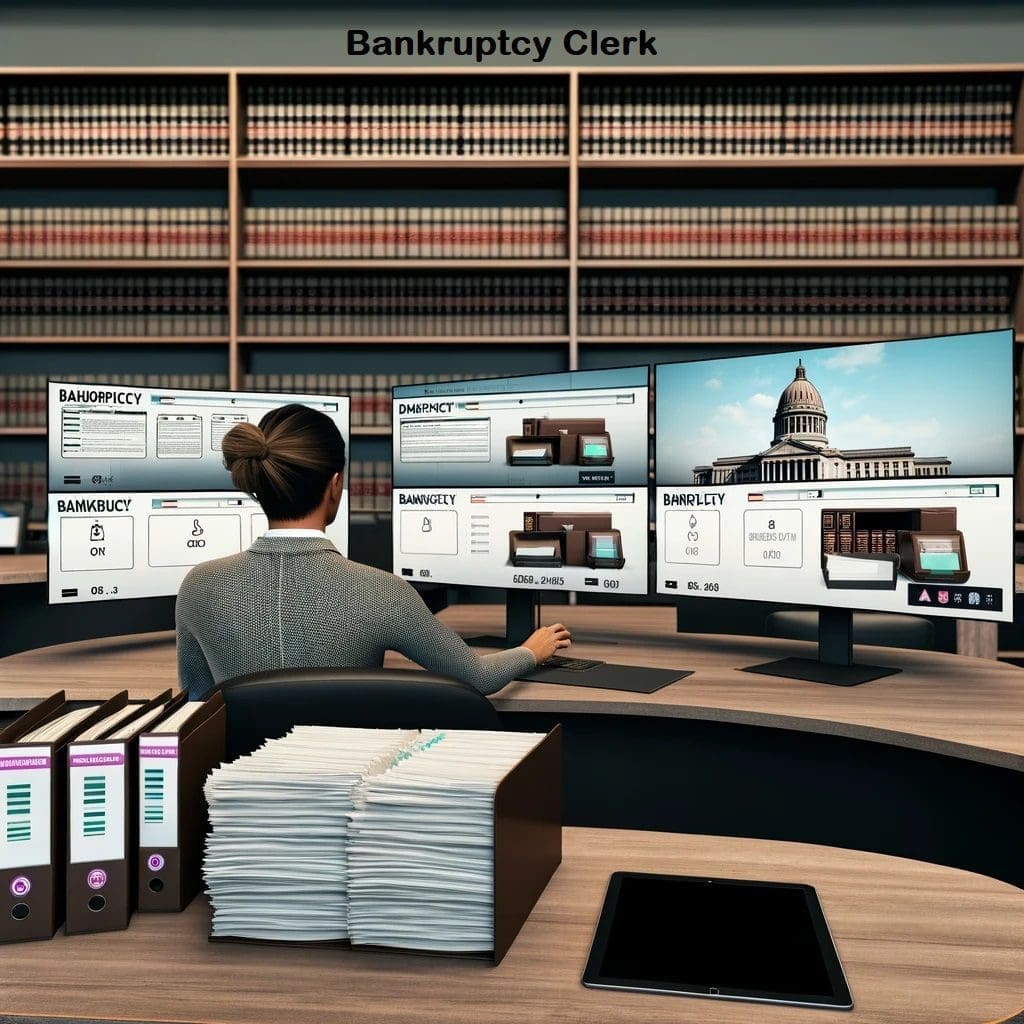
Bankruptcy Clerk in Action: Merging Tradition with Technology in Court

What to know about bankruptcy clerks in court.

A bankruptcy clerk in court manages case filings, docket entries, notices, fees, and hearing calendars to keep bankruptcy proceedings on track. Clerks support bankruptcy judges and ensure records are accurate and deadlines are met for debtors and creditors. This article explains core responsibilities, what clerks can’t do (legal advice), and how to work with the

What to know about bankruptcy clerks in court. Read More »

Services Provided by Your Legal Team at a Law Firm

Law Firm Services: What to Expect from Your Legal Team

Law firm services typically cover 6 core areas: consultation, strategy, document drafting, negotiation, court representation, and ongoing counsel. Your legal team should set clear goals, timelines, and fee expectations while handling filings and communications. This article explains common services, how firms work, and what clients can expect. When engaging the services of a law firm,

Law Firm Services: What to Expect from Your Legal Team Read More »

New Rules in Civil Procedure Alter Results

How are changes in civil procedure affecting case outcomes?

Recent FRCP amendments—most notably the 2015 proportionality changes to Rule 26 and the narrowed spoliation sanctions in Rule 37(e)—are measurably shifting outcomes by reducing discovery costs and limiting sanctions leverage. Courts are enforcing earlier case management and targeted ESI discovery, which can speed settlements or increase dismissal pressure. This article explains the key rule changes

How are changes in civil procedure affecting case outcomes? Read More »

Why Clients Choose AI-Driven Law

Why Do Clients Prefer Law Firms Using Artificial Intelligence?

Clients prefer AI-enabled law firms because AI can cut document review time by up to 70% while improving consistency. That speed and accuracy often translate into lower fees, quicker updates, and fewer errors, which builds trust. This article explains the main reasons clients choose AI-driven firms, including efficiency, accuracy, cost, and transparency. In recent years,

Why Do Clients Prefer Law Firms Using Artificial Intelligence? Read More »

The Impact of E-Discovery on Legal Strategy

How does e-discovery play a critical role in modern legal proceedings?

E-discovery is critical because most case evidence is digital, and it enables defensible collection, search, review, and production of ESI under court rules. Done correctly, it cuts review time and costs while reducing spoliation and sanctions risk through preservation and audit trails. This article explains the e-discovery process, key tools, and best practices for modern

How does e-discovery play a critical role in modern legal proceedings? Read More »

Scroll to Top