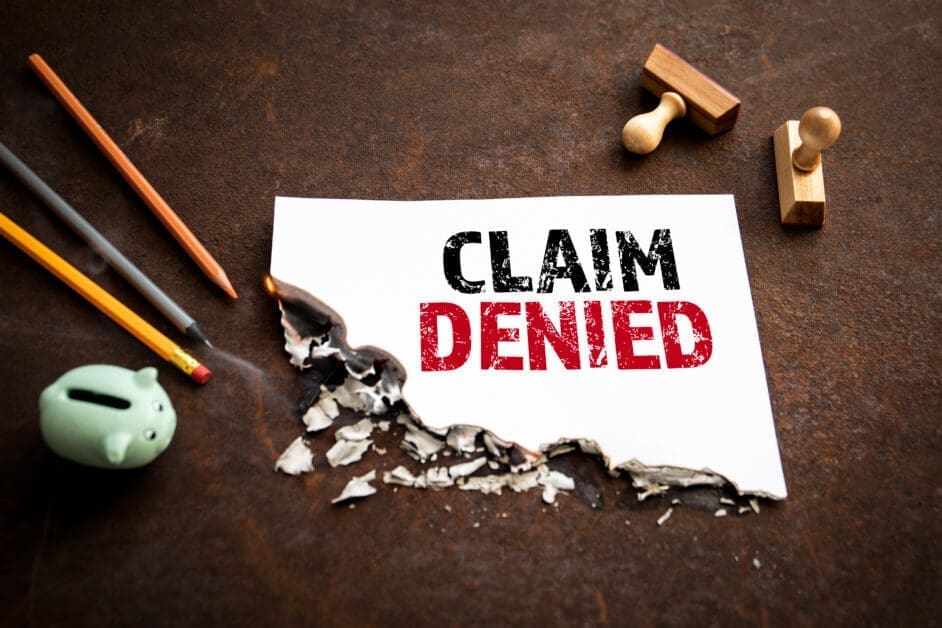
claim denial

Visitors exploring this section will find a wealth of information regarding the complexities surrounding claim denials in various legal contexts, including insurance claims and workers’ compensation. The content delves into common reasons for claim denials, the appeals process, and valuable resources for individuals seeking to navigate these legal challenges. Enhance your understanding of your rights and options with our comprehensive articles and expert insights.

Why Your Insurance Claim Was Denied and How You Can Fix It

Why Your Insurance Claim Might Be Denied & How to Fix It

Most denied insurance claims can be overturned if you appeal within the policy’s deadline and submit missing proof, because many denials hinge on exclusions, notice, or documentation. Insurers often issue an initial denial as a starting position, not the final word. This article explains common denial reasons, how to fix them, and when to involve […]

Why Your Insurance Claim Might Be Denied & How to Fix It Read More »

Injured? Learn How to Handle Insurance Adjusters and Protect Your Claim Value

How Attorneys Can Stay Compliant: Top Consent Management Tools for Legal Sites

Over 36% of organizations report rising data privacy and cybersecurity disputes, making consent management tools essential for law firm websites. These platforms capture and document cookie and form consent to help meet GDPR/CCPA expectations and reduce risk. This article reviews top consent management tools and how attorneys can implement them compliantly. Modern law firms rely

How Attorneys Can Stay Compliant: Top Consent Management Tools for Legal Sites Read More »

Injured? Learn How to Handle Insurance Adjusters and Protect Your Claim Value

How to Handle Insurance Adjusters in Personal Injury Claims

In the first 24–48 hours after a crash, limit contact with the insurance adjuster to basic facts and refuse recorded statements or blanket medical authorizations. Adjusters work to reduce payouts, so keep communications brief and document everything before discussing injuries, fault, or settlement numbers. This article explains what to say, what to avoid, and when

How to Handle Insurance Adjusters in Personal Injury Claims Read More »

Accident Victim? Master Insurance Negotiation to Maximize Your Settlement

How to Handle Insurance Companies After an Accident

Contact your insurer within 24 hours and avoid giving a recorded statement to the other driver’s adjuster without counsel. Keep all medical records, photos, and repair estimates to support your claim and prevent lowball offers. This article covers reporting, documentation, adjuster communications, settlements, and when to hire a Florida personal injury lawyer. If you’ve been

How to Handle Insurance Companies After an Accident Read More »

Pre-Existing Conditions in Personal Injury Claims

How Do Pre-Existing Conditions Affect Personal Injury Compensation?

Pre-existing conditions don’t bar compensation—damages still cover the aggravation caused by the accident, and most states apply the “eggshell plaintiff” rule. Insurers often argue symptoms were pre-existing, so medical records and expert opinions are key to separating prior issues from new harm. This article explains liability, proof, and settlement strategies when prior health problems exist.

How Do Pre-Existing Conditions Affect Personal Injury Compensation? Read More »

Securing Your Rights Through Workers Comp

Workers Comp Filing: Ensuring Your Rights and Benefits

Most states require workers to report a job injury within 30 days to preserve workers’ comp rights. Filing promptly and documenting medical care and lost wages helps ensure benefits are approved and paid. This article explains the workers’ compensation system, the filing steps, and key rights and benefits for injured employees. The workers compensation system

Workers Comp Filing: Ensuring Your Rights and Benefits Read More »

Scroll to Top