
Court Administration

Explore a range of resources detailing the intricacies of managing court operations, including articles on judicial procedures and interviews with seasoned legal professionals. Delve into content analyzing the roles and responsibilities of court administrators, focusing on effective strategies for maintaining efficient court systems. This tag also offers insights into the complexities of courtroom management and the technological advancements enhancing judicial processes.

Historical Jurisdiction: A Bailiff's Role in Legal Governance

Why Were Bailiwicks Important in English Legal Development?

Bailiwicks were important because they divided England into local jurisdictions under a bailiff, concentrating royal authority at the county level from the 12th century onward. This structure standardized enforcement, courts, and revenue collection while balancing central and local power. This article explains the bailiwick’s role in civil and criminal administration, including examples like Jersey and […]

Why Were Bailiwicks Important in English Legal Development? Read More »
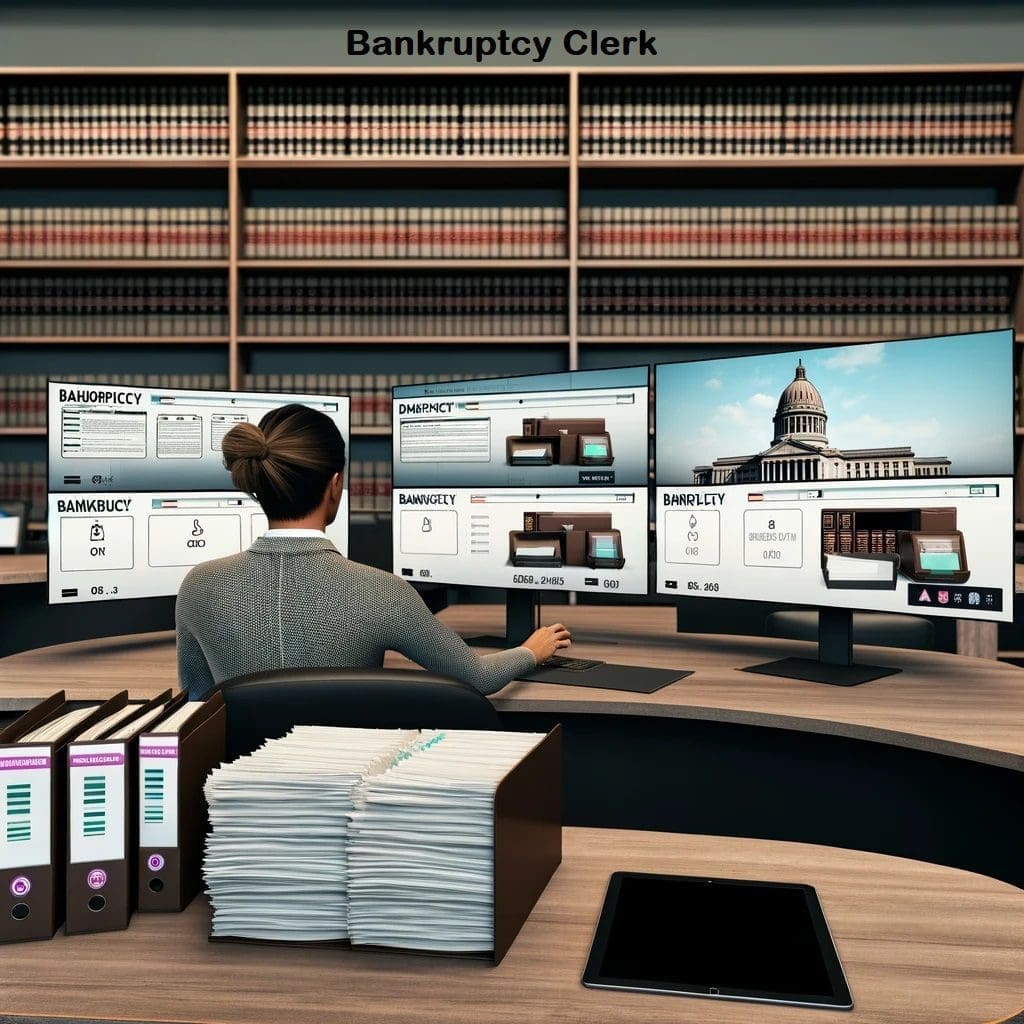
Bankruptcy Clerk in Action: Merging Tradition with Technology in Court

What to know about bankruptcy clerks in court.

A bankruptcy clerk in court manages case filings, docket entries, notices, fees, and hearing calendars to keep bankruptcy proceedings on track. Clerks support bankruptcy judges and ensure records are accurate and deadlines are met for debtors and creditors. This article explains core responsibilities, what clerks can’t do (legal advice), and how to work with the

What to know about bankruptcy clerks in court. Read More »

Streamlining High-Volume Courts While Ensuring Fair Due Process Now

Balancing Efficiency and Due Process in High-Volume Courts

High-volume courts can resolve thousands of cases annually, but due process requires meaningful notice, counsel, and an opportunity to be heard. The most effective balance comes from triage dockets, early representation, and data-driven scheduling with judicial oversight to prevent coercive plea pressure. This article explains the constitutional standards, common breakdown points, and practical reforms courts

Balancing Efficiency and Due Process in High-Volume Courts Read More »

Scroll to Top